THE ADVENTURE COLLECTIVE® · Independent discovery and booking for outdoor travel

Visit one of the New World Wonders, cool off in a karst cenote, and wander colonial Valladolid all in a single day. This small-group trip pairs cultural context with swim breaks and practical logistics for an efficient, full-day experience.
Visit one of the New World Wonders, cool off in a karst cenote, and wander colonial Valladolid all in a single day. This small-group trip pairs cultural context with swim breaks and practical logistics for an efficient, full-day experience.
You step off the coach into a sunlit clearing where stone carries the weight of centuries—El Castillo rises in a precise geometry that still aligns with the sun. Hot limestone radiates heat, and a steady breeze through the scrub hints at the hidden sinkholes that puncture the Yucatán.
Verified experiences and guided adventures in the surrounding area.
Operated by Mexico Kan Tours · Pisté, Yucatán
You step off the coach into a sunlit clearing where stone carries the weight of centuries—El Castillo rises in a precise geometry that still aligns with the sun. Hot limestone radiates heat, and a steady breeze through the scrub hints at the hidden sinkholes that puncture the Yucatán.
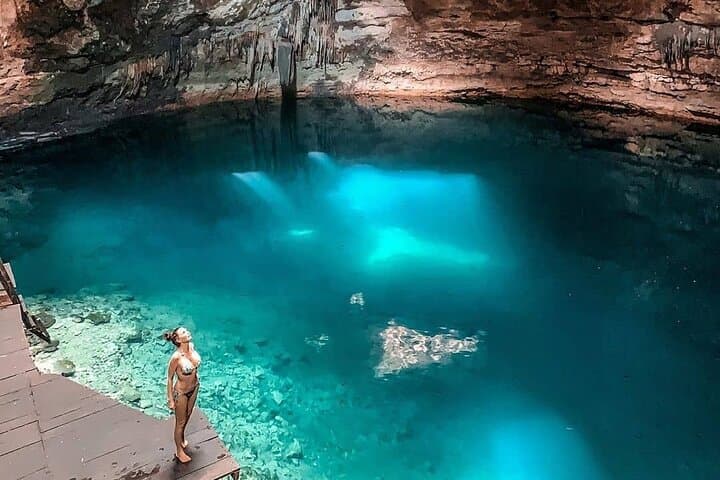
Chichen Itza grew where Maya engineering met Toltec influence: ball courts, observatories and columns that map power, astronomy and ritual. Geologically, the region is a karst plain—porous limestone that channels rain into underground rivers and cenotes, the freshwater wells that supported ancient settlements and now invite swimmers.
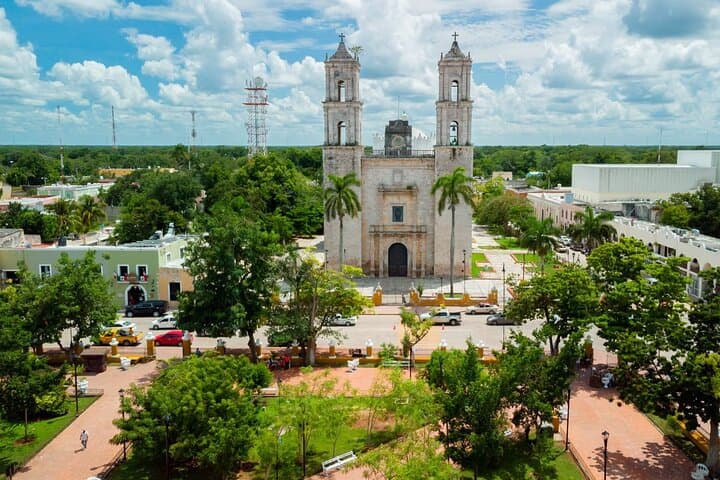
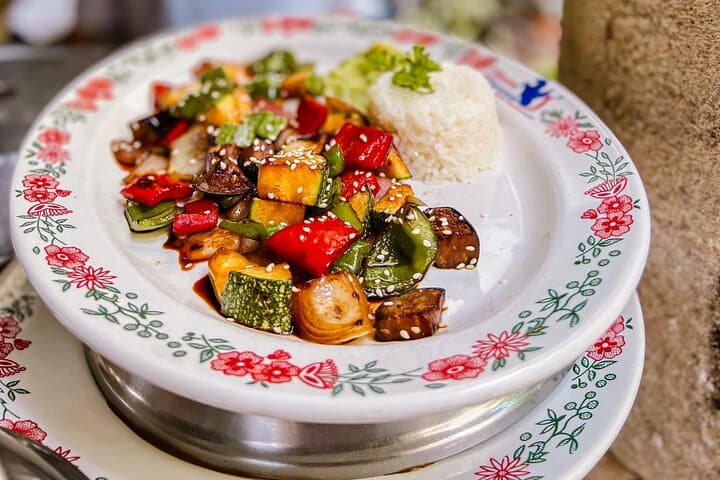
Valladolid offers a contrast: colonial facades, a convent with a shaded courtyard and a slower, food-centered tempo where longaniza and cochinita pibil anchor the palate. Between the stone and the town you’ll find local life—market stalls, cyclists, and small family-run eateries.
On the practical side, expect a guided, skip-free walk through the main Chichen Itza zones (roughly 1–2 km of walking on packed earth and uneven steps), a 45–60 minute swim in a nearby cenote, and a 30–60 minute stroll through Valladolid’s central square. There’s minimal elevation change but strong sun and humidity—hydrate, wear closed-toe shoes for the archaeological site and pack a swimsuit and quick-dry top for the cenote.
Tours often include entrance fees, lunch and hotel pickup from Tulum. For the clearest light and fewer crowds, arrive early on the tour. Respect signage around ruins and cenotes: they’re fragile ecosystems and protected cultural sites.
easy.
10 hours.
Suitable for most fitness levels; requires standing and walking on uneven ground for up to 2 hours and a brief swim at the cenote.
The day trip runs about 10 hours and typically includes transport from Tulum, a guided visit to Chichen Itza, entrance fees, a cenote swim, lunch and a stop in Valladolid.
Most cenotes are suitable for confident swimmers; life jackets are commonly provided—check with the operator if you need special assistance.
Yes—photography for personal use is allowed, but tripods, commercial shoots and climbing on structures are prohibited.
Yes—this tour is rated easy and suitable for a wide range of ages, though participants should be able to board transport and walk short distances on uneven ground.
Chichen Itza was a major Maya city that absorbed Toltec influences around the Postclassic period; its architecture reflects astronomical knowledge and ceremonial life.
Cenotes are delicate freshwater systems—use biodegradable sunscreen, avoid littering, and follow local rules to protect water quality and archaeological integrity.
Mexico Kan Tours operates guided outdoor trips and adventures with an emphasis on safety, stewardship, and memorable experiences.
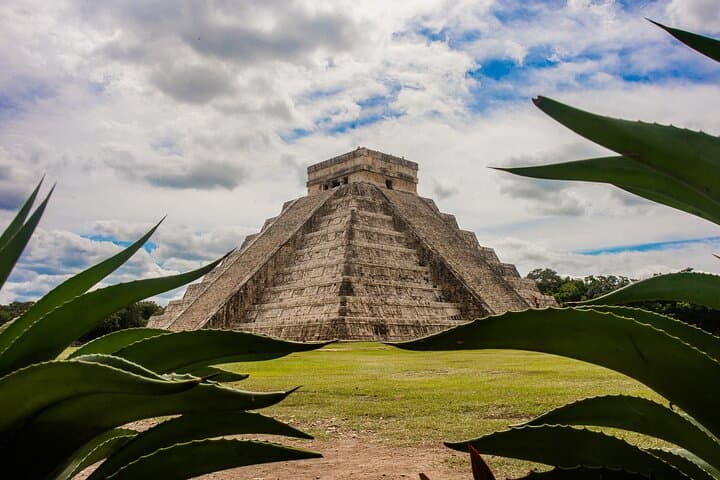
You step off the coach into a sunlit clearing where stone carries the weight of centuries—El Castillo rises in a precise geometry that still aligns with the sun. Hot limestone radiates heat, and a steady breeze through the scrub hints at the hidden sinkholes that puncture the Yucatán.
You step off the coach into a sunlit clearing where stone carries the weight of centuries—El Castillo rises in a precise geometry that still aligns with the sun. Hot limestone radiates heat, and a steady breeze through the scrub hints at the hidden sinkholes that puncture the Yucatán.
Chichen Itza grew where Maya engineering met Toltec influence: ball courts, observatories and columns that map power, astronomy and ritual. Geologically, the region is a karst plain—porous limestone that channels rain into underground rivers and cenotes, the freshwater wells that supported ancient settlements and now invite swimmers.
Valladolid offers a contrast: colonial facades, a convent with a shaded courtyard and a slower, food-centered tempo where longaniza and cochinita pibil anchor the palate. Between the stone and the town you’ll find local life—market stalls, cyclists, and small family-run eateries.
On the practical side, expect a guided, skip-free walk through the main Chichen Itza zones (roughly 1–2 km of walking on packed earth and uneven steps), a 45–60 minute swim in a nearby cenote, and a 30–60 minute stroll through Valladolid’s central square. There’s minimal elevation change but strong sun and humidity—hydrate, wear closed-toe shoes for the archaeological site and pack a swimsuit and quick-dry top for the cenote.
Tours often include entrance fees, lunch and hotel pickup from Tulum. For the clearest light and fewer crowds, arrive early on the tour. Respect signage around ruins and cenotes: they’re fragile ecosystems and protected cultural sites.