THE ADVENTURE COLLECTIVE® · Independent discovery and booking for outdoor travel

Experience Chichén Itzá at first light, then cool off in the crystalline waters of Cenote Tsukán. This full-day excursion pairs archaeological insight with a refreshing underground swim and a local lunch.
Experience Chichén Itzá at first light, then cool off in the crystalline waters of Cenote Tsukán. This full-day excursion pairs archaeological insight with a refreshing underground swim and a local lunch.
You arrive before the heat, bus idling as the first light softens the limestone faces of Chichén Itzá. The pyramid stands like a calendar cut from stone; footsteps on packed earth echo the long arc of Maya history while breeze-tossed ceiba trees brush the plaza. This is a day that moves from hard-edged archaeology to a cool, subterranean hush.
Verified experiences and guided adventures in the surrounding area.
Operated by TUI MEXICANA SA de CV · Valladolid, Yucatán
You arrive before the heat, bus idling as the first light softens the limestone faces of Chichén Itzá. The pyramid stands like a calendar cut from stone; footsteps on packed earth echo the long arc of Maya history while breeze-tossed ceiba trees brush the plaza. This is a day that moves from hard-edged archaeology to a cool, subterranean hush.
Chichén Itzá was a major Maya ceremonial and economic center from the Classic to Postclassic periods; its architecture encodes astronomy and ritual practice. Geologically, the Yucatán is a low, porous karst plateau—rainwater carves caverns that collapse into cenotes like Tsukán, forming vertical portals to aquifers below.
At Cenote Tsukán the water takes on a personality of its own: clear, deceptively still, then hospitable when you step in. Many tours include a brief traditional ceremony—local guides explain cenote reverence in Maya cosmology before you swim.
Practical guidance: plan for a long day with transport included; most tours run about eight hours. Wear sturdy sandals or water shoes for wet limestone and non-slip trails at the cenote; bring biodegradable sunscreen and insect repellent. Carry cash for tips and extra snacks; lunch is usually regional and filling but may not meet strict dietary restrictions. Expect guided narration via an audio headset and moderate walking on uneven surfaces—some stairs and packed-earth paths.
Timing matters: arrive early to avoid crowds at the pyramid and to enjoy cooler air at the cenote. Respect cultural sites and follow local rules at swim stops—cenotes are fragile, living systems that deserve careful use.
easy.
8 hours.
Suitable for most fitness levels; requires moderate walking on uneven ground and some stairs.
Yes—many cenotes have gradual entry points; bring a life vest if you need extra flotation and tell your guide before entering.
This tour includes admission fees, but check your booking confirmation for what’s covered and any skip-the-line details.
Lunch is regional and typically included—inform the operator of dietary restrictions when booking; bringing snacks is recommended for picky eaters.
Chichén Itzá and many cenotes have uneven surfaces and stairs; accessibility is limited, so contact the tour operator to discuss accommodations.
Chichén Itzá rose to prominence between the 6th and 10th centuries CE and later became a political and religious center whose monuments reflect Mesoamerican astronomy and ritual.
Cenotes are part of a shared aquifer—use only biodegradable products, avoid touching stalactites, and follow guide instructions to limit ecological impact.
TUI MEXICANA SA de CV operates guided outdoor trips and adventures with an emphasis on safety, stewardship, and memorable experiences.
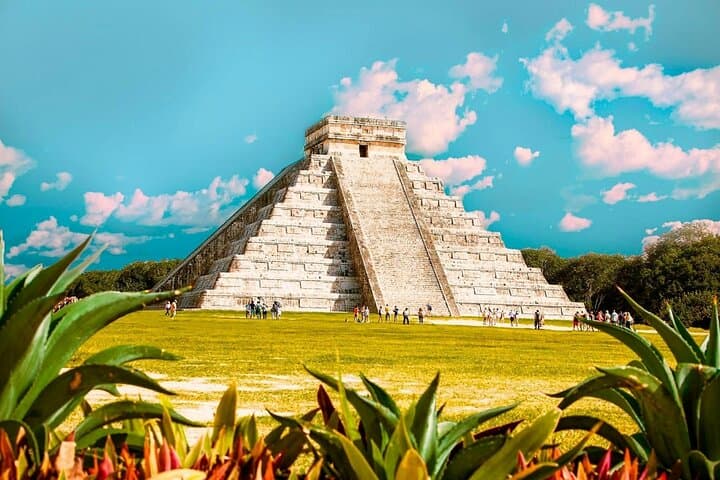

You arrive before the heat, bus idling as the first light softens the limestone faces of Chichén Itzá. The pyramid stands like a calendar cut from stone; footsteps on packed earth echo the long arc of Maya history while breeze-tossed ceiba trees brush the plaza. This is a day that moves from hard-edged archaeology to a cool, subterranean hush.
You arrive before the heat, bus idling as the first light softens the limestone faces of Chichén Itzá. The pyramid stands like a calendar cut from stone; footsteps on packed earth echo the long arc of Maya history while breeze-tossed ceiba trees brush the plaza. This is a day that moves from hard-edged archaeology to a cool, subterranean hush.
Chichén Itzá was a major Maya ceremonial and economic center from the Classic to Postclassic periods; its architecture encodes astronomy and ritual practice. Geologically, the Yucatán is a low, porous karst plateau—rainwater carves caverns that collapse into cenotes like Tsukán, forming vertical portals to aquifers below.
At Cenote Tsukán the water takes on a personality of its own: clear, deceptively still, then hospitable when you step in. Many tours include a brief traditional ceremony—local guides explain cenote reverence in Maya cosmology before you swim.
Practical guidance: plan for a long day with transport included; most tours run about eight hours. Wear sturdy sandals or water shoes for wet limestone and non-slip trails at the cenote; bring biodegradable sunscreen and insect repellent. Carry cash for tips and extra snacks; lunch is usually regional and filling but may not meet strict dietary restrictions. Expect guided narration via an audio headset and moderate walking on uneven surfaces—some stairs and packed-earth paths.
Timing matters: arrive early to avoid crowds at the pyramid and to enjoy cooler air at the cenote. Respect cultural sites and follow local rules at swim stops—cenotes are fragile, living systems that deserve careful use.