THE ADVENTURE COLLECTIVE® · Independent discovery and booking for outdoor travel

Spend a day moving from the towering steps of Chichén Itzá to a deep-blue cenote and the painted streets of Valladolid and Izamal. This practical full-day tour blends archaeology, local cooking, a refreshing swim and a pulse-raising zipline.
Spend a day moving from the towering steps of Chichén Itzá to a deep-blue cenote and the painted streets of Valladolid and Izamal. This practical full-day tour blends archaeology, local cooking, a refreshing swim and a pulse-raising zipline.
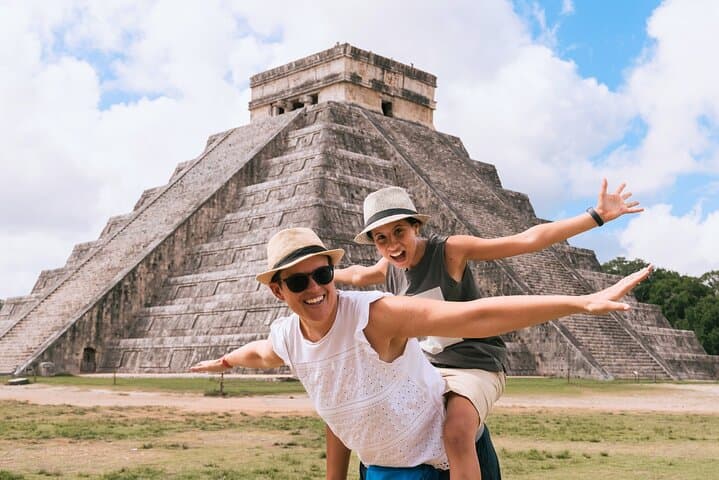
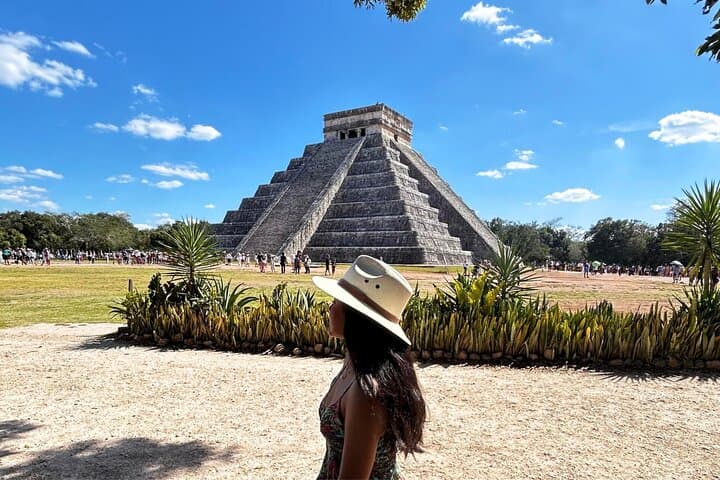
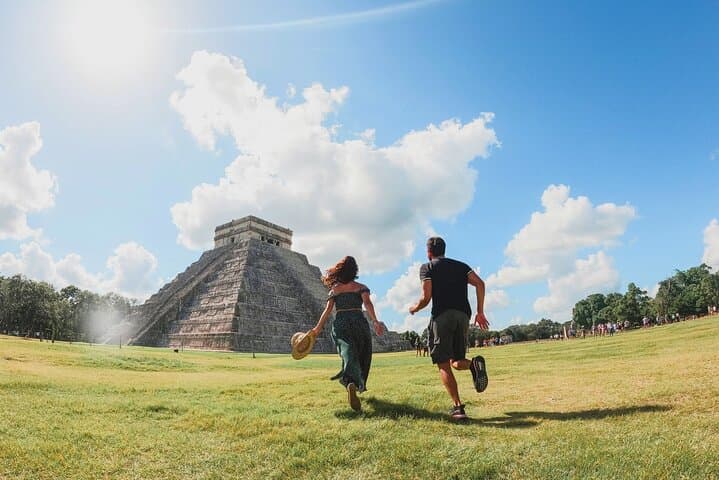
The bus eases away from Paseo Montejo as the morning light cuts like a knife across the flat Yucatán plain. With air-conditioning humming and the promise of ancient stone ahead, you settle in; by midday you will be standing beneath the vast shadow of a 1,000-year-old pyramid, and later you will dive into water so clear it seems to be holding the sky.
Verified experiences and guided adventures in the surrounding area.
Operated by Ekinox Tours · Mérida, Yucatán
The bus eases away from Paseo Montejo as the morning light cuts like a knife across the flat Yucatán plain. With air-conditioning humming and the promise of ancient stone ahead, you settle in; by midday you will be standing beneath the vast shadow of a 1,000-year-old pyramid, and later you will dive into water so clear it seems to be holding the sky.
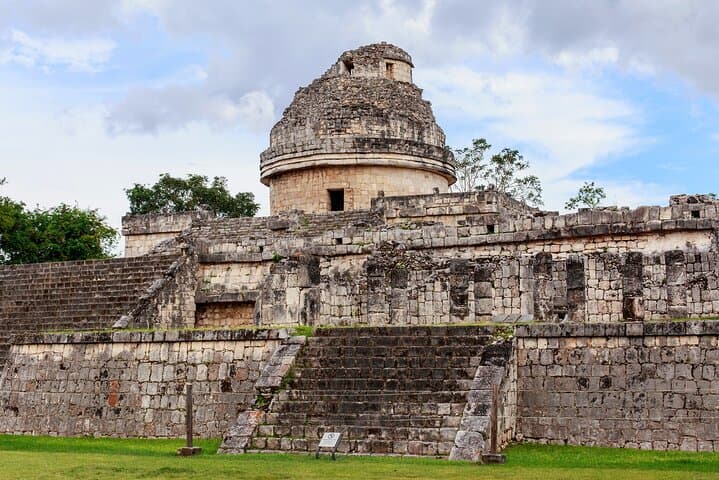
This full-day loop stitches three distinct Yucatán experiences into six hours: the monumental geometry of Chichén Itzá, a hands-on culinary demonstration and buffet that traces Mayan cooking from field to plate, and the mineral blue of a cenote where a zipline adds a shot of adrenaline. Each stop is a different lens on the region — archaeological, gastronomic and geological.
Chichén Itzá sits where limestone bedrock meets a network of subterranean rivers. The Maya chose these sinkholes for ritual and water, and their city thrived on the fertility that flowed from them. The cenote you visit is a collapsed cave, carved by millennia of acidic rain dissolving limestone; its vertical walls and clear, spring-fed pools are both an ecological archive and a cool respite from the tropical heat.
Valladolid and Izamal offer a quieter counterpoint. Valladolid’s colonial streets and shaded zócalo speak of layered histories — Mayan, Spanish and mestizo — while Izamal’s plastered yellow convent and broad atrium recall the town’s role as a Franciscan stronghold and a modern center of craft and pilgrimage.
Practical side: tickets to Chichén Itzá are not included and must be paid in cash on boarding — around 700 MXN for adults (confirm current rate). The tour provides life jackets and lockers for the cenote, and a buffet lunch is included (drinks are extra). Pickup is on Paseo Montejo outside Starbucks at 07:45; expect a 6-hour round trip but allow time for lines at the site.
Footwear should be sturdy but quick-drying; the pyramid requires short climbs over worn stone and the cenote area can be slippery. Bring biodegradable sunscreen, insect repellent, a refillable water bottle and a compact towel; phone cameras work well but consider a small waterproof case for cenote photos. If you have limited mobility or cardiovascular concerns, check the safety notes — the zipline and uneven ancient stone can be demanding.
By day's end you will have traced a route that moves from skyward stone to underground water and back out into sunlight-soaked plazas, experiencing the Yucatán as a place where geology, history and local culture continue to shape everyday life.
moderate.
6 hours.
Suitable for travelers with average fitness—expect short climbs, uneven stone at the ruins and a zipline (no extreme exertion but some mobility required)
No — admission is not included and must be paid in cash when boarding; current adult price is approximately 700 MXN (confirm ahead).
Pickup is outside Starbucks on Paseo Montejo in Mérida at 07:45; confirm your pickup time after booking via the operator’s message.
Yes — swimming is part of the itinerary; life jackets and lockers are provided, and staff enforce biodegradable sunscreen use in many cenotes.
Age and weight limits vary by operator; children are allowed in many cases but check with the tour provider and note that infants must sit on laps during transport.
A buffet lunch is included (vegetarian and vegan options available); drinks are typically not included so bring cash for beverages.
Cash for admission and drinks, swimwear and a towel, biodegradable sunscreen, insect repellent, comfortable shoes, and a refillable water bottle.
Chichén Itzá was a major pre-Columbian city where the Maya integrated astronomy, architecture and ritual around natural cenotes; later Spanish colonial influence reshaped towns like Valladolid and Izamal.
Cenote access is regulated to protect water quality; visitors are asked to use biodegradable products, limit plastic, and follow onsite rules to preserve underground aquifers.
Ekinox Tours operates guided outdoor trips and adventures with an emphasis on safety, stewardship, and memorable experiences.
The bus eases away from Paseo Montejo as the morning light cuts like a knife across the flat Yucatán plain. With air-conditioning humming and the promise of ancient stone ahead, you settle in; by midday you will be standing beneath the vast shadow of a 1,000-year-old pyramid, and later you will dive into water so clear it seems to be holding the sky.
The bus eases away from Paseo Montejo as the morning light cuts like a knife across the flat Yucatán plain. With air-conditioning humming and the promise of ancient stone ahead, you settle in; by midday you will be standing beneath the vast shadow of a 1,000-year-old pyramid, and later you will dive into water so clear it seems to be holding the sky.
This full-day loop stitches three distinct Yucatán experiences into six hours: the monumental geometry of Chichén Itzá, a hands-on culinary demonstration and buffet that traces Mayan cooking from field to plate, and the mineral blue of a cenote where a zipline adds a shot of adrenaline. Each stop is a different lens on the region — archaeological, gastronomic and geological.
Chichén Itzá sits where limestone bedrock meets a network of subterranean rivers. The Maya chose these sinkholes for ritual and water, and their city thrived on the fertility that flowed from them. The cenote you visit is a collapsed cave, carved by millennia of acidic rain dissolving limestone; its vertical walls and clear, spring-fed pools are both an ecological archive and a cool respite from the tropical heat.
Valladolid and Izamal offer a quieter counterpoint. Valladolid’s colonial streets and shaded zócalo speak of layered histories — Mayan, Spanish and mestizo — while Izamal’s plastered yellow convent and broad atrium recall the town’s role as a Franciscan stronghold and a modern center of craft and pilgrimage.
Practical side: tickets to Chichén Itzá are not included and must be paid in cash on boarding — around 700 MXN for adults (confirm current rate). The tour provides life jackets and lockers for the cenote, and a buffet lunch is included (drinks are extra). Pickup is on Paseo Montejo outside Starbucks at 07:45; expect a 6-hour round trip but allow time for lines at the site.
Footwear should be sturdy but quick-drying; the pyramid requires short climbs over worn stone and the cenote area can be slippery. Bring biodegradable sunscreen, insect repellent, a refillable water bottle and a compact towel; phone cameras work well but consider a small waterproof case for cenote photos. If you have limited mobility or cardiovascular concerns, check the safety notes — the zipline and uneven ancient stone can be demanding.
By day's end you will have traced a route that moves from skyward stone to underground water and back out into sunlight-soaked plazas, experiencing the Yucatán as a place where geology, history and local culture continue to shape everyday life.