THE ADVENTURE COLLECTIVE® · Independent discovery and booking for outdoor travel

Spend a full day exploring Chichén Itzá’s monumental pyramids, cooling off in a jungle cenote, and wandering colonial Valladolid. This guided tour combines history, geology and a refreshing swim—ideal for a long, active day from the Riviera Maya.
Spend a full day exploring Chichén Itzá’s monumental pyramids, cooling off in a jungle cenote, and wandering colonial Valladolid. This guided tour combines history, geology and a refreshing swim—ideal for a long, active day from the Riviera Maya.
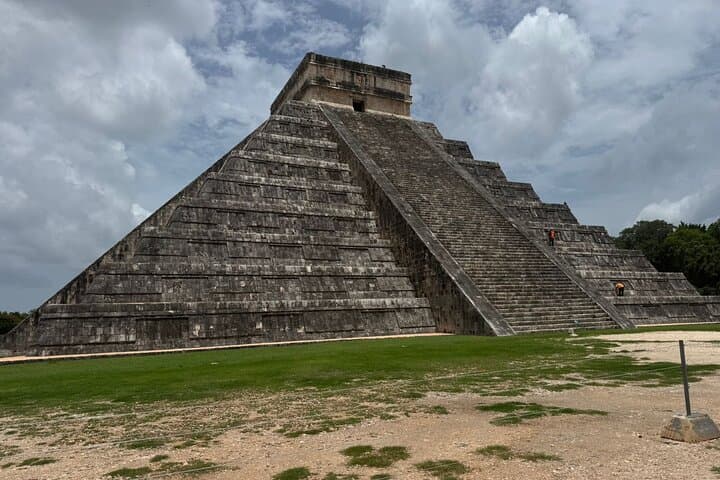
You step out of the air-conditioned van into a hot, open plaza where stone faces watch the crowd and wind seems to push you toward the stairs of Kukulkan. The pyramid dominates the horizon; its shadow moves like a slow hand across packed limestone paths as your guide explains astronomical alignments and the pulse of Maya ritual.
Verified experiences and guided adventures in the surrounding area.
Operated by Nauticos del Caribe · Valladolid, Yucatan
You step out of the air-conditioned van into a hot, open plaza where stone faces watch the crowd and wind seems to push you toward the stairs of Kukulkan. The pyramid dominates the horizon; its shadow moves like a slow hand across packed limestone paths as your guide explains astronomical alignments and the pulse of Maya ritual.
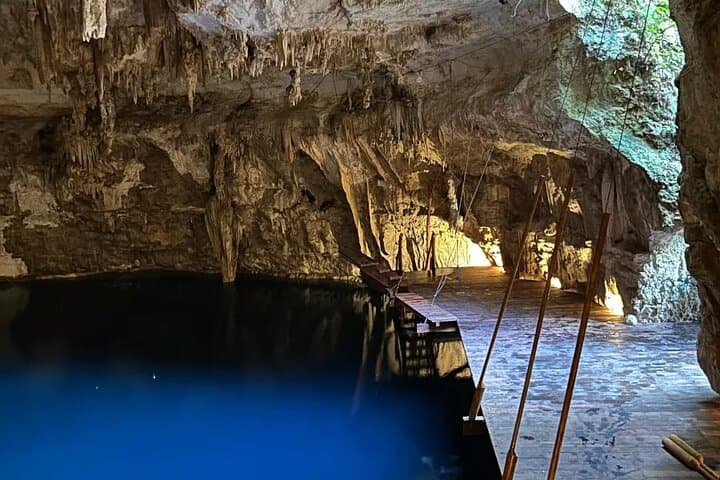
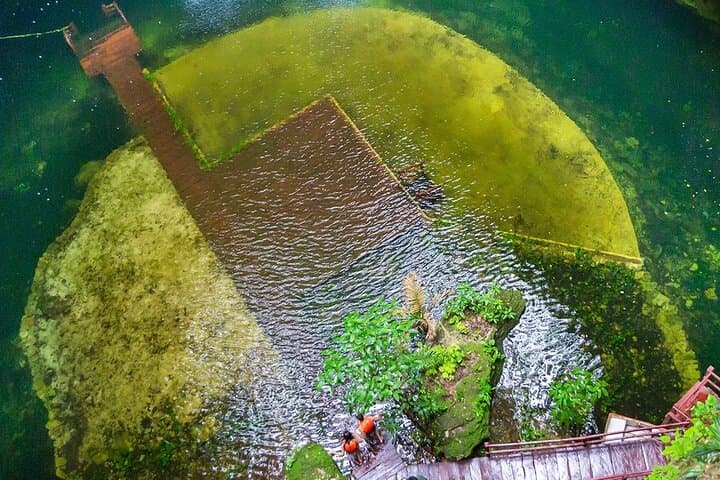
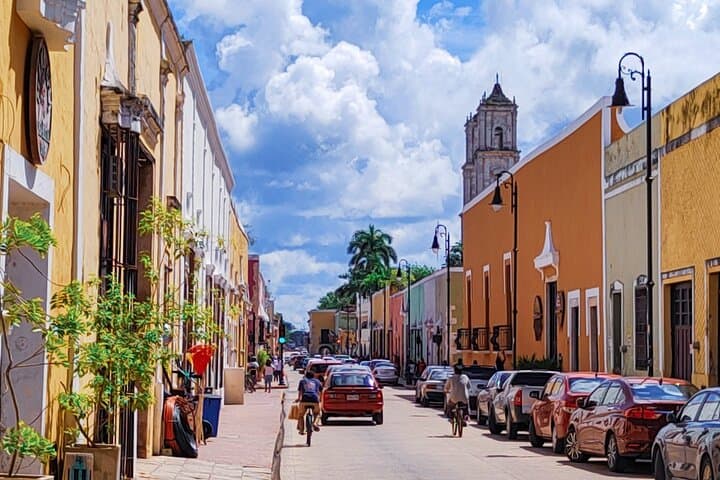
Chichén Itzá is a Late Classic–Postclassic Maya center famous for the Kukulkan (El Castillo) pyramid, the Temple of the Warriors, the Great Ball Court and an observatory used to track Venus and solstices. Geologically the region is a karst plain—limestone that dissolves to form cenotes—so your second act arrives as a plunge into a collapsed cave: Cenote Noolhá or, alternately, Cenote Chichikan. Valladolid adds a different beat: a 16th-century colonial grid of pastel facades, a lively market and regional dishes like sopa de lima and cochinita pibil.
Expect mostly flat walking, uneven stone steps, and roughly 2–3 km of on-site exploring during the guided portion (1–2 hours guided, additional free time). Temperatures climb midday; carry water, reef‑safe sunscreen and a towel if you plan to swim. Preservation tax (~USD 17) is typically not included; life vests are mandatory at the cenotes. The full day is long—plan for about 12 hours total including round-trip transport from Riviera Maya or Playa del Carmen.
Practical tip: arrive hydrated and early on busy days to avoid peak heat and crowds; comfortable closed-toe shoes will make the walk across archaeological pavements easier. The trip blends history, geology and a cool swim—each element pushing you from classroom to cave to colonial street in a single day.
easy.
10–12 hours.
Suitable for most fitness levels; expect up to 3 km walking on flat but uneven terrain and short stair climbs
Not always—many operators require an on-site preservation tax (around USD 17) payable in cash; confirm with your vendor before travel.
Yes—life vests are mandatory and provided; shallow edges and vest support make it accessible for non-swimmers under supervision.
Accessibility is limited: the main archaeological plaza has packed paths but many structures and cenote access points include stairs or uneven terrain.
Yes—this tour typically includes round transportation from Riviera Maya and Playa del Carmen; check pickup point and timing when booking.
Chichén Itzá was a major Maya center that flourished between the 9th and 12th centuries; many structures reflect a mix of Puuc and Toltec influences.
Cenotes are fragile freshwater systems—use reef-safe sunscreen, avoid single-use plastics, and follow local rules about diving and vest use to minimize impact.
Nauticos del Caribe operates guided outdoor trips and adventures with an emphasis on safety, stewardship, and memorable experiences.
You step out of the air-conditioned van into a hot, open plaza where stone faces watch the crowd and wind seems to push you toward the stairs of Kukulkan. The pyramid dominates the horizon; its shadow moves like a slow hand across packed limestone paths as your guide explains astronomical alignments and the pulse of Maya ritual.
You step out of the air-conditioned van into a hot, open plaza where stone faces watch the crowd and wind seems to push you toward the stairs of Kukulkan. The pyramid dominates the horizon; its shadow moves like a slow hand across packed limestone paths as your guide explains astronomical alignments and the pulse of Maya ritual.
Chichén Itzá is a Late Classic–Postclassic Maya center famous for the Kukulkan (El Castillo) pyramid, the Temple of the Warriors, the Great Ball Court and an observatory used to track Venus and solstices. Geologically the region is a karst plain—limestone that dissolves to form cenotes—so your second act arrives as a plunge into a collapsed cave: Cenote Noolhá or, alternately, Cenote Chichikan. Valladolid adds a different beat: a 16th-century colonial grid of pastel facades, a lively market and regional dishes like sopa de lima and cochinita pibil.
Expect mostly flat walking, uneven stone steps, and roughly 2–3 km of on-site exploring during the guided portion (1–2 hours guided, additional free time). Temperatures climb midday; carry water, reef‑safe sunscreen and a towel if you plan to swim. Preservation tax (~USD 17) is typically not included; life vests are mandatory at the cenotes. The full day is long—plan for about 12 hours total including round-trip transport from Riviera Maya or Playa del Carmen.
Practical tip: arrive hydrated and early on busy days to avoid peak heat and crowds; comfortable closed-toe shoes will make the walk across archaeological pavements easier. The trip blends history, geology and a cool swim—each element pushing you from classroom to cave to colonial street in a single day.