THE ADVENTURE COLLECTIVE® · Independent discovery and booking for outdoor travel

A full-day run from Tulum to Chichén Itzá, a refreshing cenote swim, and a brief stroll through colonial Valladolid — this guided trip pairs archaeology with a cool dip and local flavors. Learn how to prepare for the long day, mandatory fees, and what to expect on site.
A full-day run from Tulum to Chichén Itzá, a refreshing cenote swim, and a brief stroll through colonial Valladolid — this guided trip pairs archaeology with a cool dip and local flavors. Learn how to prepare for the long day, mandatory fees, and what to expect on site.
Morning light breaks across the Yucatán scrub as buses roll west from Tulum, shutters lowering on a coastal town still waking. By midmorning the Kukulkan pyramid looms above the plaza — a stone calendar that casts stepped shadows and measures solstices as it has for centuries. The guide outlines ritual spaces, the Great Ball Court’s hard lines, and the silent cavity of the Sacred Cenote, where geology and myth meet.
Verified experiences and guided adventures in the surrounding area.
Operated by Cancun Smart Pass · Pisté, Yucatán
Morning light breaks across the Yucatán scrub as buses roll west from Tulum, shutters lowering on a coastal town still waking. By midmorning the Kukulkan pyramid looms above the plaza — a stone calendar that casts stepped shadows and measures solstices as it has for centuries. The guide outlines ritual spaces, the Great Ball Court’s hard lines, and the silent cavity of the Sacred Cenote, where geology and myth meet.
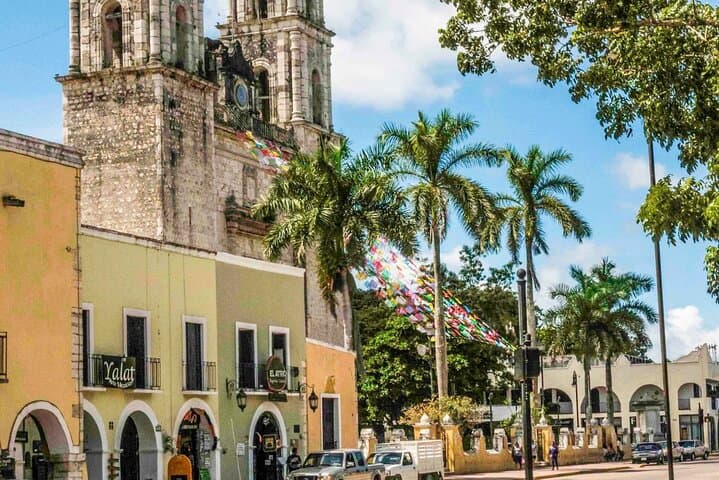
Chichén Itzá grew into a regional hub between the Classic and Postclassic Maya eras; its architecture records astronomy, trade and power. Beneath the plaza the limestone bedrock gives way to cenotes — collapsed cave systems that supply aquifers and cool the jungle. Valladolid adds a colonial chapter: a low-slung town of painted façades, the Baroque San Servacio church and a market where Mayan artisans sell henequen crafts and embroidered blouses.
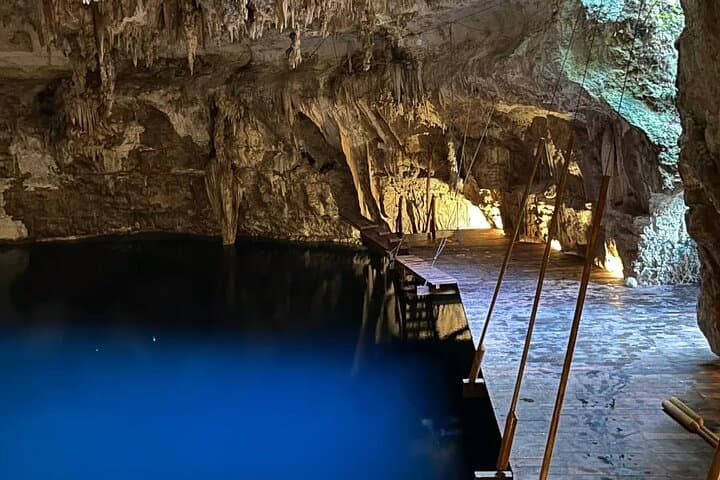
Practical guidance: expect a long day (about 11 hours) with guided time at Chichén Itzá, a supervised swim at Cenote Noolhá (or alternate cenote), and a short window to explore Valladolid. Bring cash for the mandatory preservation tax (USD 17), biodegradable sunscreen for cenote swims, and a towel and change of clothes. Wear sturdy walking shoes for uneven stone and shade-layering for strong sun. Arrival timing matters — earlier visits beat heat and crowds. Respect roped-off zones at the ruins, follow your guide’s safety briefing for the cenote (life vests required), and plan for a full return to Tulum by evening.
easy.
About 11 hours (full-day).
Suitable for most fitness levels; expect walking on uneven ground and short periods of standing and a brief swim.
No — the preservation tax (approximately USD 17) is not included and is typically collected at the archaeological site entrance in cash.
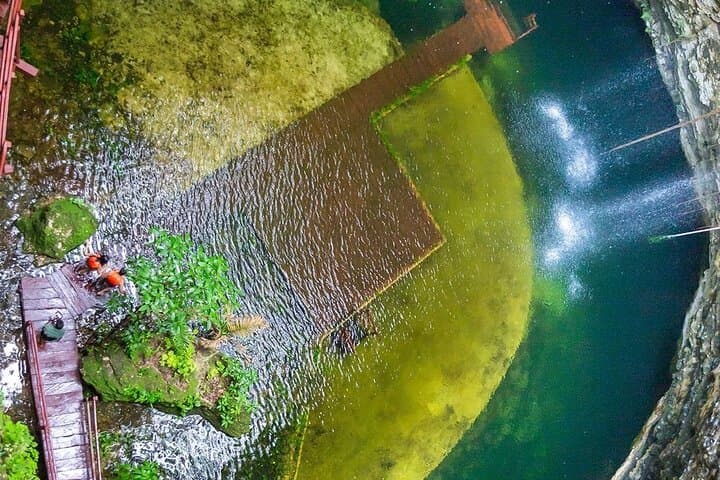
Yes; the itinerary includes access to Cenote Noolhá or an alternate cenote. Life vests are usually mandatory and staff will brief swimmers on safety.
Pickup is commonly from a designated point (Super Aki Store in Tulum City) — confirm pickup details and exact time with the operator before departure.
The site involves uneven stone and stairs; while some areas are accessible, visitors with significant mobility limitations should inquire in advance and consider limited access to certain monuments.
Chichén Itzá was a major Maya center blending Puuc and Toltec influences; the Kukulkan pyramid functions as a solar calendar and ceremonial stage for equinox shadow serpents.
High visitation pressures require staying on marked paths, paying the preservation tax, and using biodegradable sun products to protect fragile cenote ecosystems.
Cancun Smart Pass operates guided outdoor trips and adventures with an emphasis on safety, stewardship, and memorable experiences.
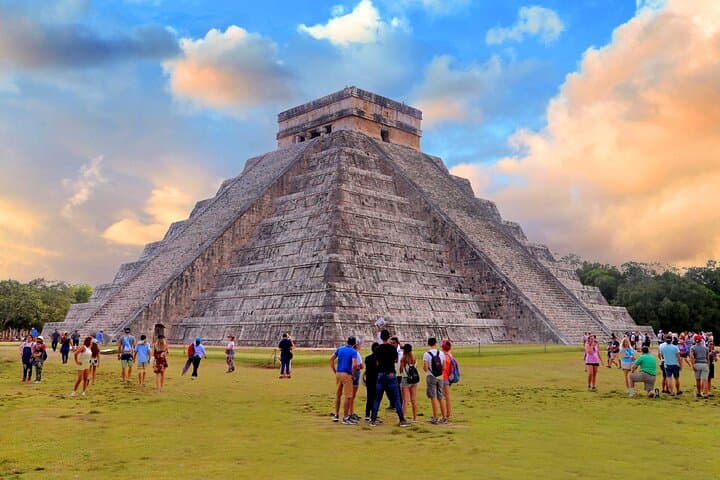
Morning light breaks across the Yucatán scrub as buses roll west from Tulum, shutters lowering on a coastal town still waking. By midmorning the Kukulkan pyramid looms above the plaza — a stone calendar that casts stepped shadows and measures solstices as it has for centuries. The guide outlines ritual spaces, the Great Ball Court’s hard lines, and the silent cavity of the Sacred Cenote, where geology and myth meet.
Morning light breaks across the Yucatán scrub as buses roll west from Tulum, shutters lowering on a coastal town still waking. By midmorning the Kukulkan pyramid looms above the plaza — a stone calendar that casts stepped shadows and measures solstices as it has for centuries. The guide outlines ritual spaces, the Great Ball Court’s hard lines, and the silent cavity of the Sacred Cenote, where geology and myth meet.
Chichén Itzá grew into a regional hub between the Classic and Postclassic Maya eras; its architecture records astronomy, trade and power. Beneath the plaza the limestone bedrock gives way to cenotes — collapsed cave systems that supply aquifers and cool the jungle. Valladolid adds a colonial chapter: a low-slung town of painted façades, the Baroque San Servacio church and a market where Mayan artisans sell henequen crafts and embroidered blouses.
Practical guidance: expect a long day (about 11 hours) with guided time at Chichén Itzá, a supervised swim at Cenote Noolhá (or alternate cenote), and a short window to explore Valladolid. Bring cash for the mandatory preservation tax (USD 17), biodegradable sunscreen for cenote swims, and a towel and change of clothes. Wear sturdy walking shoes for uneven stone and shade-layering for strong sun. Arrival timing matters — earlier visits beat heat and crowds. Respect roped-off zones at the ruins, follow your guide’s safety briefing for the cenote (life vests required), and plan for a full return to Tulum by evening.