THE ADVENTURE COLLECTIVE® · Independent discovery and booking for outdoor travel

A full-day blend of Maya archaeology and karst swimming: explore Chichén Itzá with a guide, then cool off in Cenote Suytún and Ik-Kil with lifejackets and a buffet meal included. Practical tips on timing, gear, and local culture to make the most of the 12-hour excursion.
A full-day blend of Maya archaeology and karst swimming: explore Chichén Itzá with a guide, then cool off in Cenote Suytún and Ik-Kil with lifejackets and a buffet meal included. Practical tips on timing, gear, and local culture to make the most of the 12-hour excursion.
You step off the shuttle into warm Yucatán air and the outline of Kukulkan’s pyramid cuts the horizon—stone meeting sky with a geometry that taught the Maya their calendar.
Verified experiences and guided adventures in the surrounding area.
Operated by Hi Travel Tours · Piste, Yucatán
You step off the shuttle into warm Yucatán air and the outline of Kukulkan’s pyramid cuts the horizon—stone meeting sky with a geometry that taught the Maya their calendar.
The day moves between eras: a bilingual guide unspools the history of Chichén Itzá—its role as a regional capital, the astronomical alignments of the El Castillo platform, and the architectural clues to Maya ritual and trade. Geology follows: the porous limestone that dominates the peninsula dissolves to form cenotes, vertical chambers where groundwater gathers and light filters through roots and vines.
At Cenote Suytún the water is a calm mirror, a circular chamber lit by a single shaft of daylight that seems to choose where you stand. Ik-Kil is more theatrical—an open cenote ringed by hanging vegetation and carved steps that lead to cool, clear water. Valladolid offers a contrasting human pulse: colonial facades, mercado stalls, and local dishes like cochinita pibil to ground the excursion in living culture.
Practically: this is a long but accessible day—expect around 12 hours including transport from Cancún, guided walks on uneven surfaces, and two swim stops. Bring biodegradable sunscreen, a change of clothes, and cash for lockers and tips; lifejackets are provided. If you prefer quieter photos, ask to arrive early in the schedule and move deliberately through the archaeological site—respect the no-climb rules and stay on designated paths. The trip pairs archaeological awe with a cool, karst-born swim—history above, groundwater daring you below.
easy.
12 hours.
Suitable for most fitness levels; expect several hundred meters of walking on uneven ground and some stair steps at cenote access points.
Yes—this full-day excursion departs from Cancún hotels with round-trip transportation included; confirm your pickup location and time when booking.
Lifejackets are provided by the tour operator and swimming is permitted in the visited cenotes; follow guide instructions and use provided safety gear.
Policies vary by operator—many organized tours include archaeological site admission, but confirm on your booking confirmation and bring ID for ticketing when required.
No—climbing on El Castillo and major structures is prohibited to protect the ruins; visitors can explore allowed paths and terraces guided by park rules.
Chichén Itzá was a major Postclassic Maya center whose architecture encodes astronomical cycles, most famously the equinox serpent shadow on El Castillo.
Cenote ecosystems are sensitive to contaminants; use biodegradable products, avoid glass, and follow park rules to limit erosion and litter.
Hi Travel Tours operates guided outdoor trips and adventures with an emphasis on safety, stewardship, and memorable experiences.
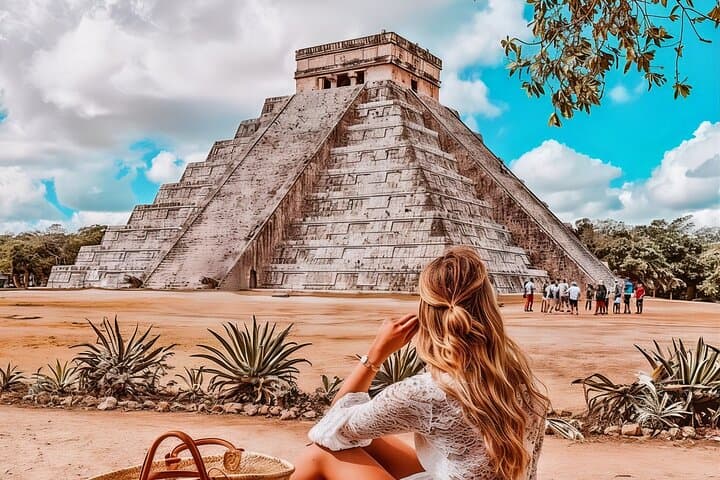
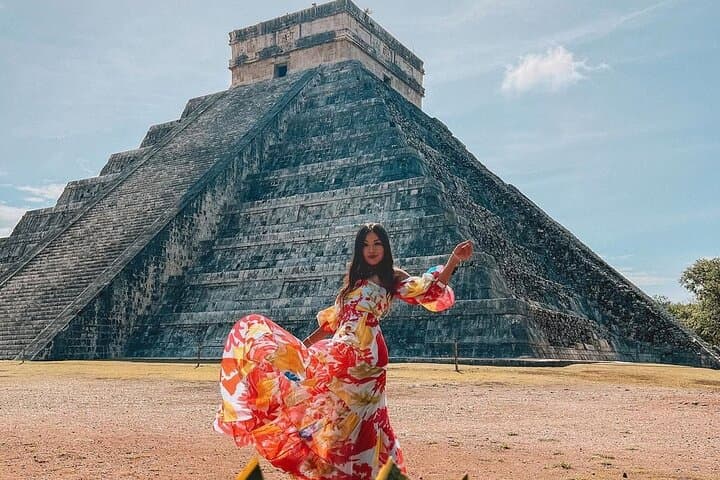
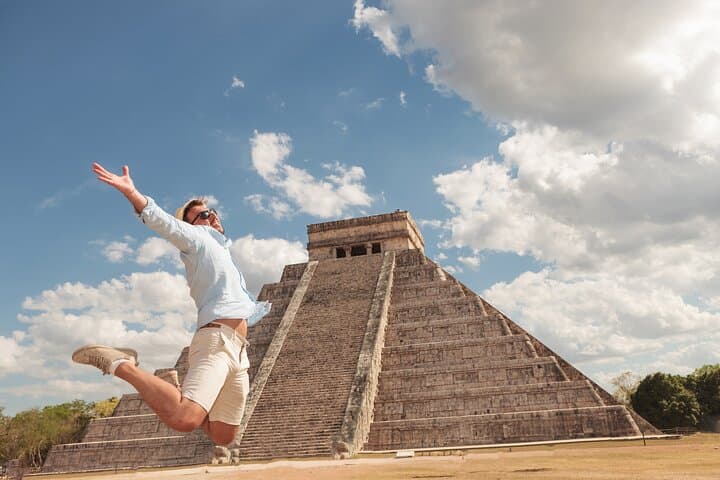
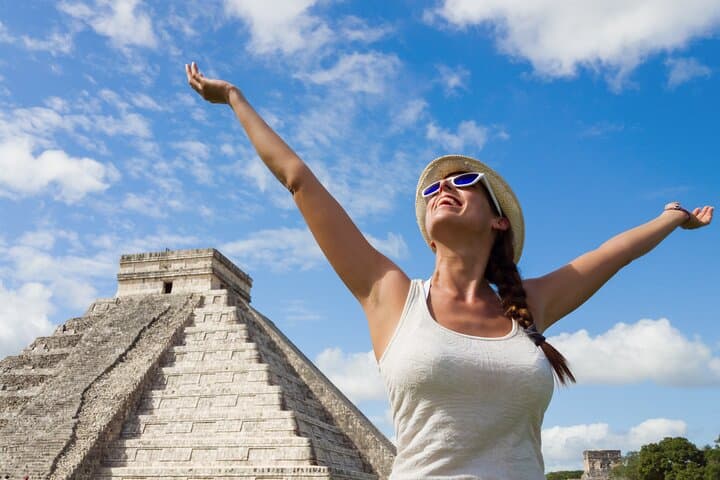
You step off the shuttle into warm Yucatán air and the outline of Kukulkan’s pyramid cuts the horizon—stone meeting sky with a geometry that taught the Maya their calendar.
You step off the shuttle into warm Yucatán air and the outline of Kukulkan’s pyramid cuts the horizon—stone meeting sky with a geometry that taught the Maya their calendar.
The day moves between eras: a bilingual guide unspools the history of Chichén Itzá—its role as a regional capital, the astronomical alignments of the El Castillo platform, and the architectural clues to Maya ritual and trade. Geology follows: the porous limestone that dominates the peninsula dissolves to form cenotes, vertical chambers where groundwater gathers and light filters through roots and vines.
At Cenote Suytún the water is a calm mirror, a circular chamber lit by a single shaft of daylight that seems to choose where you stand. Ik-Kil is more theatrical—an open cenote ringed by hanging vegetation and carved steps that lead to cool, clear water. Valladolid offers a contrasting human pulse: colonial facades, mercado stalls, and local dishes like cochinita pibil to ground the excursion in living culture.
Practically: this is a long but accessible day—expect around 12 hours including transport from Cancún, guided walks on uneven surfaces, and two swim stops. Bring biodegradable sunscreen, a change of clothes, and cash for lockers and tips; lifejackets are provided. If you prefer quieter photos, ask to arrive early in the schedule and move deliberately through the archaeological site—respect the no-climb rules and stay on designated paths. The trip pairs archaeological awe with a cool, karst-born swim—history above, groundwater daring you below.