THE ADVENTURE COLLECTIVE® · Independent discovery and booking for outdoor travel

Spend a long, satisfying day exploring El Castillo at Chichén Itzá then cool off with swims at Cenote Ik Kil and the photogenic Cenote Suytun—plus a quick taste of Valladolid. This guided loop blends archaeology, karst geology and practical local insights for an unforgettable Yucatán day trip.
Spend a long, satisfying day exploring El Castillo at Chichén Itzá then cool off with swims at Cenote Ik Kil and the photogenic Cenote Suytun—plus a quick taste of Valladolid. This guided loop blends archaeology, karst geology and practical local insights for an unforgettable Yucatán day trip.
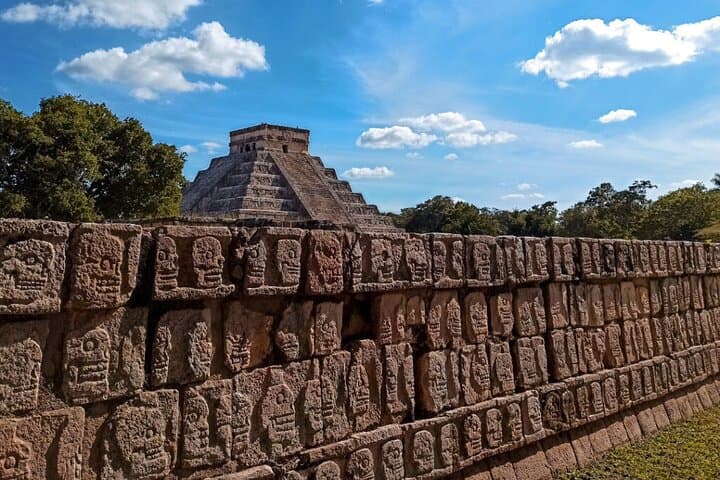
You step off the bus into a hush broken by distant cicadas and the low chatter of a bilingual guide explaining the precise cadence of Mayan time. The shadowed face of El Castillo rises ahead—pyramid stones warmed by the same sun that once tracked seasons and ceremonies—and for a few minutes history feels immediate and tactile.
Verified experiences and guided adventures in the surrounding area.
Operated by Cancun Last Minute Tours · Valladolid, Yucatán
You step off the bus into a hush broken by distant cicadas and the low chatter of a bilingual guide explaining the precise cadence of Mayan time. The shadowed face of El Castillo rises ahead—pyramid stones warmed by the same sun that once tracked seasons and ceremonies—and for a few minutes history feels immediate and tactile.
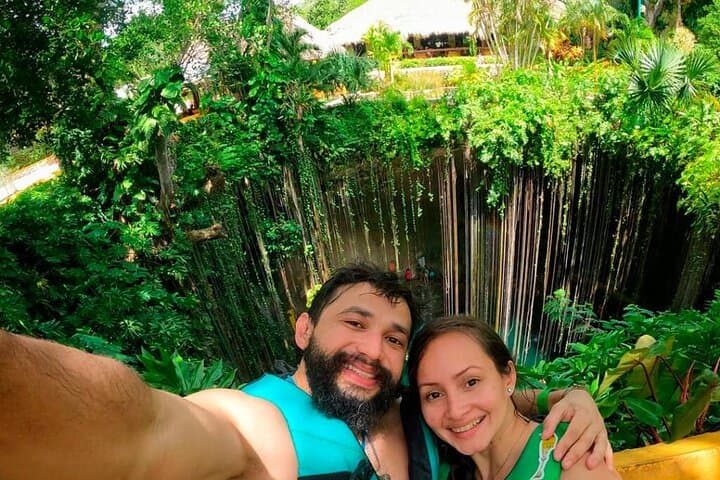
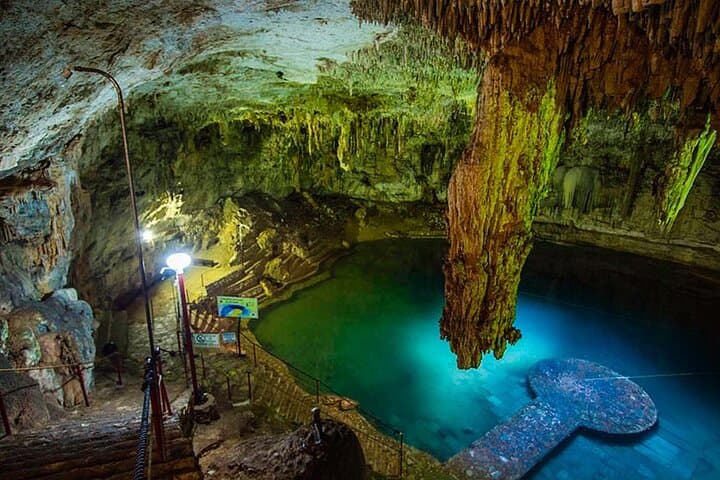
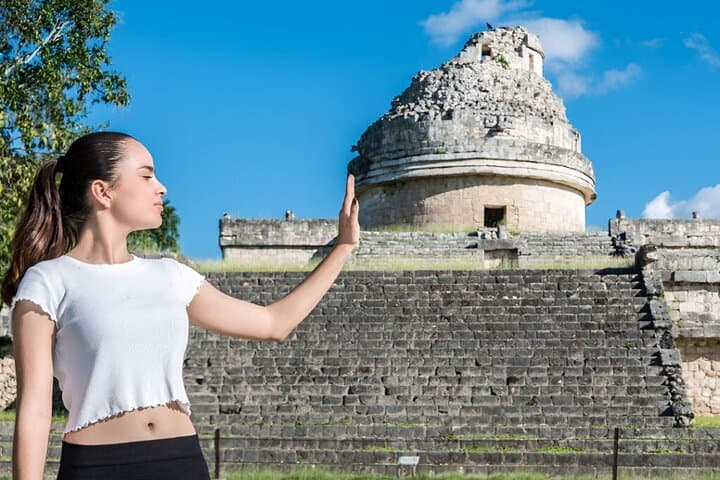
Chichén Itzá emerged as a major Postclassic Maya center around 600–900 CE; its limestone temples and carved reliefs record astronomy, trade and ritual life. The geology here is all karst: porous limestone, underground rivers and sinkholes gave rise to the cenotes—deep, cool wells where the Yucatán’s aquifer breathes. Ik Kil drops you into an open-air bowl hung with vines, a green rim framing the water below; Suytun offers that single dramatic column of light that photographers covet, where the platform becomes a stage.
Culturally, this loop blends archaeology with local life—Valladolid’s central plaza and street vendors offer a quick taste of Yucatecan snacks and colonial architecture before you head back to the coast.
Practical guide: expect a full-day outing (roughly 12–13 hours) with guided and free time at Chichén Itzá, one hour each at Suytun and Ik Kil, and a short stop in Valladolid. Bring swimwear, a towel, biodegradable sunscreen, and cash for the preservation tax (not included). Wear good walking shoes for uneven stone and a light rain layer in summer. Life vests are mandatory in the cenotes; if you’re photogenic, arrive early in the site order for the best light. Hydrate, protect your camera from spray, and plan for a long but rewarding day where archaeology and underground water meet the present.
easy.
12–13 hours.
Suitable for travelers in regular physical condition who can walk on uneven stone surfaces and swim in open-water cenotes.
Admission to Suytun and Ik Kil is included, but the federal preservation tax at Chichén Itzá (typically collected at site) may not be; bring cash.
Yes—round-trip transportation from Tulum is included in the tour price as noted on booking.
Yes—cenote swims are suitable for non-expert swimmers; life vests are mandatory and provided.
Expect moderate walking on uneven surfaces for about two hours total (guided plus free time); wear comfortable shoes.
Chichén Itzá was a major Maya political and economic center; its architecture incorporates Maya and Toltec influences and precise astronomical alignments.
Cenote swimming requires rinsing off non-biodegradable sunscreen and following staff directions to protect underground aquifers; local preservation fees support site maintenance.
Cancun Last Minute Tours operates guided outdoor trips and adventures with an emphasis on safety, stewardship, and memorable experiences.
You step off the bus into a hush broken by distant cicadas and the low chatter of a bilingual guide explaining the precise cadence of Mayan time. The shadowed face of El Castillo rises ahead—pyramid stones warmed by the same sun that once tracked seasons and ceremonies—and for a few minutes history feels immediate and tactile.
You step off the bus into a hush broken by distant cicadas and the low chatter of a bilingual guide explaining the precise cadence of Mayan time. The shadowed face of El Castillo rises ahead—pyramid stones warmed by the same sun that once tracked seasons and ceremonies—and for a few minutes history feels immediate and tactile.
Chichén Itzá emerged as a major Postclassic Maya center around 600–900 CE; its limestone temples and carved reliefs record astronomy, trade and ritual life. The geology here is all karst: porous limestone, underground rivers and sinkholes gave rise to the cenotes—deep, cool wells where the Yucatán’s aquifer breathes. Ik Kil drops you into an open-air bowl hung with vines, a green rim framing the water below; Suytun offers that single dramatic column of light that photographers covet, where the platform becomes a stage.
Culturally, this loop blends archaeology with local life—Valladolid’s central plaza and street vendors offer a quick taste of Yucatecan snacks and colonial architecture before you head back to the coast.
Practical guide: expect a full-day outing (roughly 12–13 hours) with guided and free time at Chichén Itzá, one hour each at Suytun and Ik Kil, and a short stop in Valladolid. Bring swimwear, a towel, biodegradable sunscreen, and cash for the preservation tax (not included). Wear good walking shoes for uneven stone and a light rain layer in summer. Life vests are mandatory in the cenotes; if you’re photogenic, arrive early in the site order for the best light. Hydrate, protect your camera from spray, and plan for a long but rewarding day where archaeology and underground water meet the present.