THE ADVENTURE COLLECTIVE® · Independent discovery and booking for outdoor travel

A full-day loop from Tulum that pairs a guided visit to Chichén Itzá with swims in two iconic cenotes and a quick stop in Valladolid. Expect a 13-hour day, mandatory life vests at the cenotes, and a mix of archaeology, geology, and cool freshwater swims.
A full-day loop from Tulum that pairs a guided visit to Chichén Itzá with swims in two iconic cenotes and a quick stop in Valladolid. Expect a 13-hour day, mandatory life vests at the cenotes, and a mix of archaeology, geology, and cool freshwater swims.
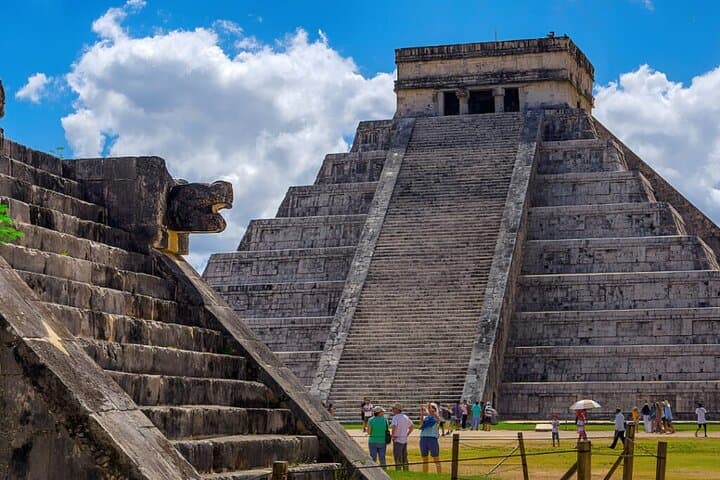
You board a coach before dawn in Tulum and watch the low scrub and silver limestone give way to broad flat plains. By midmorning the silhouette of El Castillo rises from the horizon—sharp angles of stone that still control light and shadow centuries after the city went quiet. The breeze off the Yucatán plateaus carries bird calls and the faint scent of damp earth from the cenotes you’ll visit later.
Verified experiences and guided adventures in the surrounding area.
Operated by Cancun Tour Outlet · Pisté, Yucatán
You board a coach before dawn in Tulum and watch the low scrub and silver limestone give way to broad flat plains. By midmorning the silhouette of El Castillo rises from the horizon—sharp angles of stone that still control light and shadow centuries after the city went quiet. The breeze off the Yucatán plateaus carries bird calls and the faint scent of damp earth from the cenotes you’ll visit later.
Chichén Itzá was a major Maya ceremonial center and trading hub; the pyramid of Kukulkán aligns to solar events so precisely the staircase becomes a moving shadow at equinox. Geologically, the region sits on porous limestone riddled with caverns—collapse creates cenotes like Ik Kil and Suytun, entrances to the aquifer that sustained ancient communities and still feed local wells.
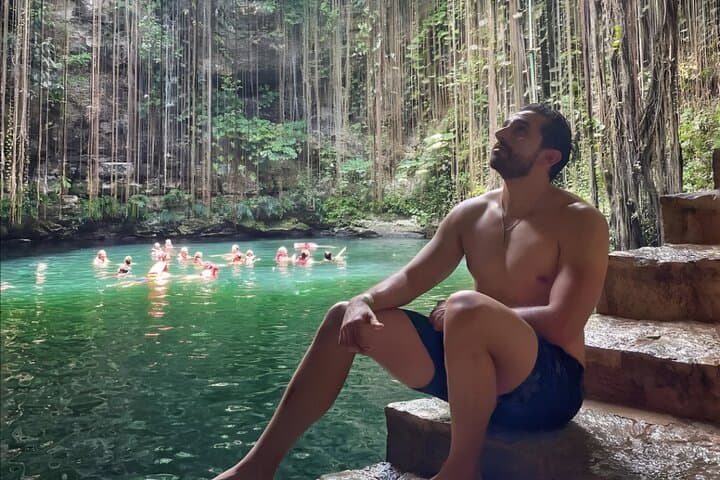
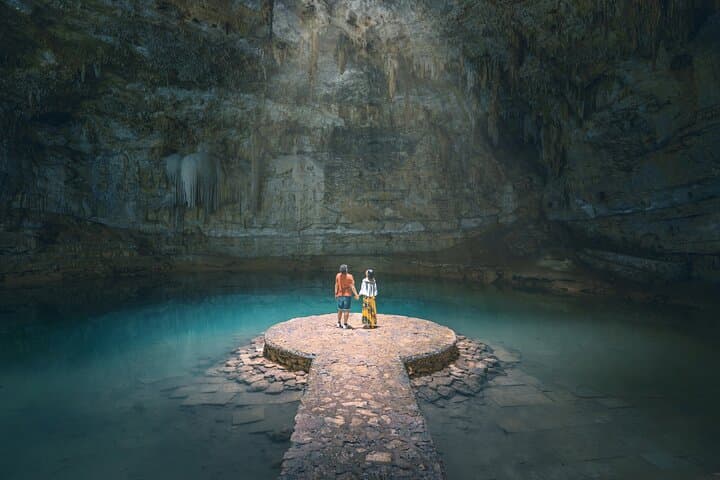
The day pairs a focused archaeological walk (guided tour plus free time) with two swims: Ik Kil’s open bowl where vines brush the air, and Suytun’s theatrical light shaft and stone platform. A quick stop in Valladolid gives a taste of colonial life and Yucatecan snacks.
Practical edge: this is a long 13-hour outing with on-site fees not included (preservation tax), mandatory life vests in cenotes, and some steep steps and ladders to access water. Bring biodegradable sunscreen, a towel and a change of clothes, cash for small purchases, and expect a lot of walking on uneven ground. Timing matters—arrive early to avoid heat and the biggest crowds and plan for a full, rewarding day outdoors.
moderate.
13 hours.
Moderate fitness recommended—comfortable walking for several hours and climbing ladders for cenote access; not strenuous but long.
The tour includes some admissions, but the archaeological preservation tax (typically around USD 15 per adult) is often not included—payable at the site.
The guided portion is about one hour with another hour free to explore; expect 2–3 kilometers of walking on uneven, sometimes sandy stone surfaces.
Life vests are mandatory at these cenotes, and ladders provide access—non-swimmers can enjoy shallow edges and wear vests, but check with guides first.
Children can join but infants must sit on laps; the tour is not recommended for travelers with spinal injuries, pregnancy, or significant heart problems due to long travel and ladder access.
Chichén Itzá was a major Classic-to-Postclassic Maya center; the Kukulkán pyramid doubles as an astronomical calendar and played a role in seasonal rituals.
Cenotes are part of a delicate freshwater karst system—use biodegradable products, avoid touching cave formations, and respect local rules to protect water quality.
Cancun Tour Outlet operates guided outdoor trips and adventures with an emphasis on safety, stewardship, and memorable experiences.

You board a coach before dawn in Tulum and watch the low scrub and silver limestone give way to broad flat plains. By midmorning the silhouette of El Castillo rises from the horizon—sharp angles of stone that still control light and shadow centuries after the city went quiet. The breeze off the Yucatán plateaus carries bird calls and the faint scent of damp earth from the cenotes you’ll visit later.
You board a coach before dawn in Tulum and watch the low scrub and silver limestone give way to broad flat plains. By midmorning the silhouette of El Castillo rises from the horizon—sharp angles of stone that still control light and shadow centuries after the city went quiet. The breeze off the Yucatán plateaus carries bird calls and the faint scent of damp earth from the cenotes you’ll visit later.
Chichén Itzá was a major Maya ceremonial center and trading hub; the pyramid of Kukulkán aligns to solar events so precisely the staircase becomes a moving shadow at equinox. Geologically, the region sits on porous limestone riddled with caverns—collapse creates cenotes like Ik Kil and Suytun, entrances to the aquifer that sustained ancient communities and still feed local wells.
The day pairs a focused archaeological walk (guided tour plus free time) with two swims: Ik Kil’s open bowl where vines brush the air, and Suytun’s theatrical light shaft and stone platform. A quick stop in Valladolid gives a taste of colonial life and Yucatecan snacks.
Practical edge: this is a long 13-hour outing with on-site fees not included (preservation tax), mandatory life vests in cenotes, and some steep steps and ladders to access water. Bring biodegradable sunscreen, a towel and a change of clothes, cash for small purchases, and expect a lot of walking on uneven ground. Timing matters—arrive early to avoid heat and the biggest crowds and plan for a full, rewarding day outdoors.