THE ADVENTURE COLLECTIVE® · Independent discovery and booking for outdoor travel

Spend a long day exploring Chichén Itzá’s monumental pyramid, cooling off in the crystal waters of Cenote Samulá, and wandering Valladolid’s historic streets. This full-day tour blends archaeology, geology and local cuisine with practical logistics for travelers from Cancún.
Spend a long day exploring Chichén Itzá’s monumental pyramid, cooling off in the crystal waters of Cenote Samulá, and wandering Valladolid’s historic streets. This full-day tour blends archaeology, geology and local cuisine with practical logistics for travelers from Cancún.
You step off the bus into a wide parade ground of stone and wind: the Kukulkán pyramid rises in geometric tiers, its angles sharp against a blue Yucatán sky. Guides point out shadow-carved serpents on the stairwell while the heat presses like a live thing; nearby, the Sacred Cenote's hidden waters call, cool and dark beneath a ring of roots.
Verified experiences and guided adventures in the surrounding area.
Operated by Caribbean Mayan Tours · Pisté, Yucatán
You step off the bus into a wide parade ground of stone and wind: the Kukulkán pyramid rises in geometric tiers, its angles sharp against a blue Yucatán sky. Guides point out shadow-carved serpents on the stairwell while the heat presses like a live thing; nearby, the Sacred Cenote's hidden waters call, cool and dark beneath a ring of roots.
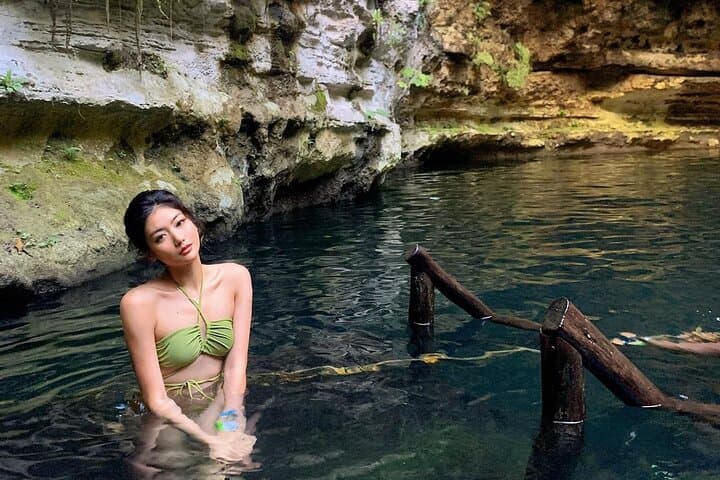
Chichén Itzá was one of the major urban centers of the Postclassic Maya and earned UNESCO status for its architectural precision and astronomical alignments. The limestone plain of the northern Yucatán was sculpted by karst processes—sinkholes and cenotes are openings into a vast subterranean freshwater network that sustained ancient communities and now offers dramatic swimming spots like Cenote Samulá.
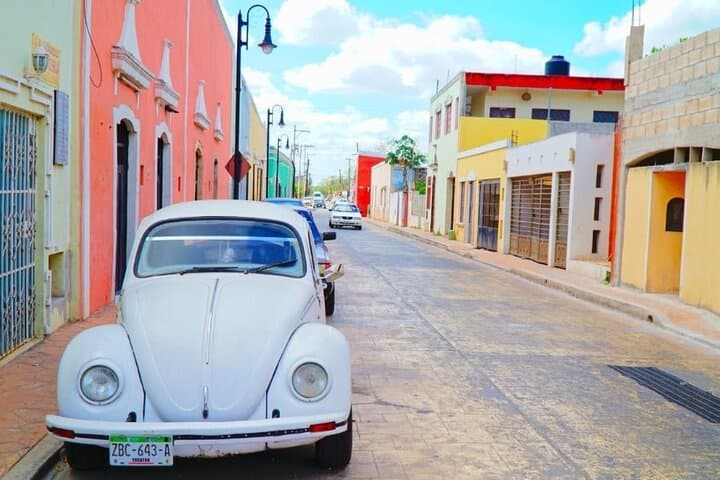
Valladolid follows with colonial facades, the baroque church of San Servacio and mercados selling embroidered textiles and local sweets; the town still wears Spanish-era layouts over an indigenous foundation.
Practically: expect an 11–12 hour day with long bus transfers, guided walks across uneven, sun-exposed stone, a 45-minute swim in a cenote, and roughly an hour of free time in Valladolid. Bring sun protection, a swimsuit and towel (rinse stations exist), comfortable closed shoes for the archaeological grounds, and small bills for preservation fees and purchases. Stay hydrated—water is available at stops—and plan for early pickup times. Photography is plentiful but follow guide instructions around protected structures and respect cenote rules: avoid sunscreen or use biodegradable lotions before swimming. This tour pairs cultural depth with outdoor elements—sun, stone and water demanding respectful preparation.
moderate.
11–12 hours.
Moderate level; comfortable standing and walking for several hours, able to climb stairs and navigate uneven terrain.
No; government preservation fees for the ruins are paid separately on-site (listed around USD 22 for adults, variable—bring cash).
Yes; a regional buffet lunch at a nearby restaurant is included, but drinks are usually not covered. Vegetarian options are commonly available.
Yes; the itinerary includes about 45 minutes to swim in Cenote Samulá—bring swimwear and follow staff instructions for safety.
Round-trip transportation from Cancún is provided; confirm your pickup point and time when booking as it may vary by zone.
Chichén Itzá was a major Maya ceremonial center with structures aligned to astronomical events; the region’s cenotes were vital freshwater sources and ritual sites.
Respect site rules: stay on marked paths, don’t climb restricted structures, and avoid using non-biodegradable sunscreen before entering cenotes to protect water quality.
Caribbean Mayan Tours operates guided outdoor trips and adventures with an emphasis on safety, stewardship, and memorable experiences.
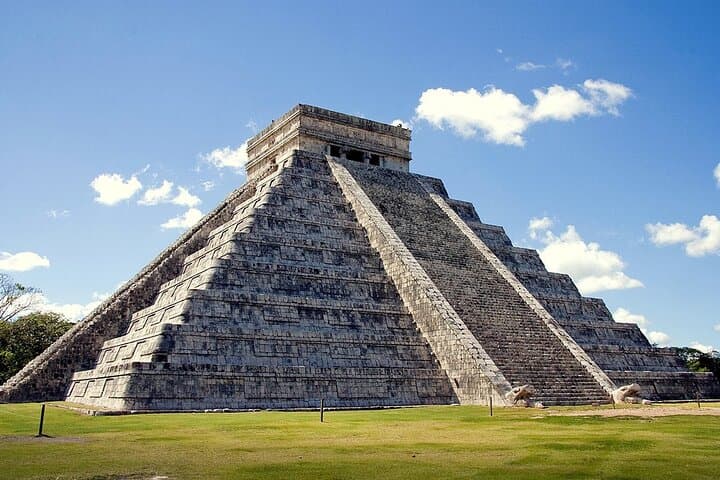
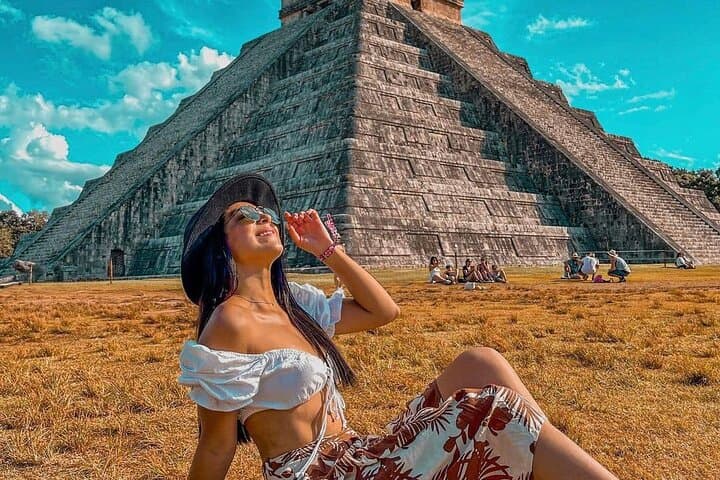
You step off the bus into a wide parade ground of stone and wind: the Kukulkán pyramid rises in geometric tiers, its angles sharp against a blue Yucatán sky. Guides point out shadow-carved serpents on the stairwell while the heat presses like a live thing; nearby, the Sacred Cenote's hidden waters call, cool and dark beneath a ring of roots.
You step off the bus into a wide parade ground of stone and wind: the Kukulkán pyramid rises in geometric tiers, its angles sharp against a blue Yucatán sky. Guides point out shadow-carved serpents on the stairwell while the heat presses like a live thing; nearby, the Sacred Cenote's hidden waters call, cool and dark beneath a ring of roots.
Chichén Itzá was one of the major urban centers of the Postclassic Maya and earned UNESCO status for its architectural precision and astronomical alignments. The limestone plain of the northern Yucatán was sculpted by karst processes—sinkholes and cenotes are openings into a vast subterranean freshwater network that sustained ancient communities and now offers dramatic swimming spots like Cenote Samulá.
Valladolid follows with colonial facades, the baroque church of San Servacio and mercados selling embroidered textiles and local sweets; the town still wears Spanish-era layouts over an indigenous foundation.
Practically: expect an 11–12 hour day with long bus transfers, guided walks across uneven, sun-exposed stone, a 45-minute swim in a cenote, and roughly an hour of free time in Valladolid. Bring sun protection, a swimsuit and towel (rinse stations exist), comfortable closed shoes for the archaeological grounds, and small bills for preservation fees and purchases. Stay hydrated—water is available at stops—and plan for early pickup times. Photography is plentiful but follow guide instructions around protected structures and respect cenote rules: avoid sunscreen or use biodegradable lotions before swimming. This tour pairs cultural depth with outdoor elements—sun, stone and water demanding respectful preparation.