THE ADVENTURE COLLECTIVE® · Independent discovery and booking for outdoor travel

A full-day cultural and natural circuit from the Riviera Maya: guided exploration of Chichén Itzá, a swim in Cenote Samaal, a Mayan cleansing ritual, and a stop in colonial Valladolid. Expect a long, information-rich day with practical needs—swimsuit, sunscreen and a preservation fee.
A full-day cultural and natural circuit from the Riviera Maya: guided exploration of Chichén Itzá, a swim in Cenote Samaal, a Mayan cleansing ritual, and a stop in colonial Valladolid. Expect a long, information-rich day with practical needs—swimsuit, sunscreen and a preservation fee.
You step off the air-conditioned minibus into a dry wind that seems intent on keeping the plaza swept clean of anything but stone and shadow.
Verified experiences and guided adventures in the surrounding area.
Operated by Open Vacations · Chichen Itza, Yucatán
You step off the air-conditioned minibus into a dry wind that seems intent on keeping the plaza swept clean of anything but stone and shadow.
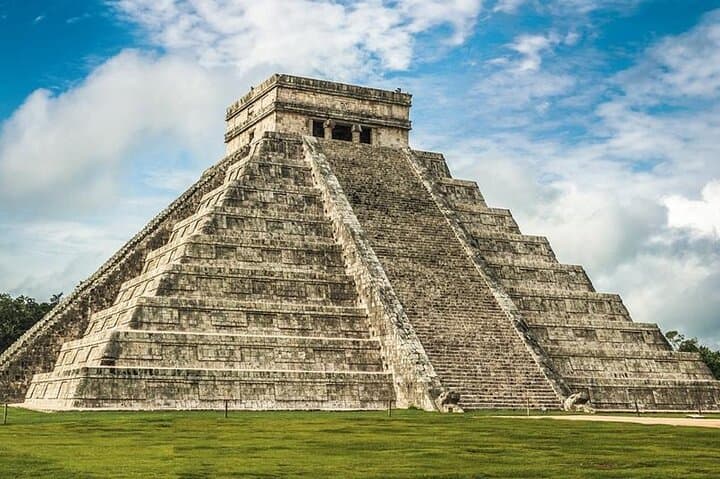
The bulk of El Castillo looms—precise, sunlit—and the plaza around it hums with the slow cadence of tourists and guides translating centuries. Your guide will point out the feathered serpent of Kukulcán, the acoustic trick of the stair-clap, and the Temple of the Warriors where carved bas-reliefs still insist on presence.
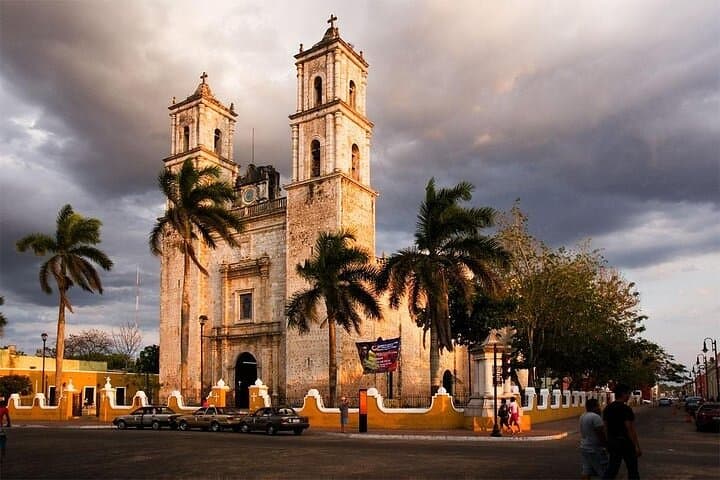
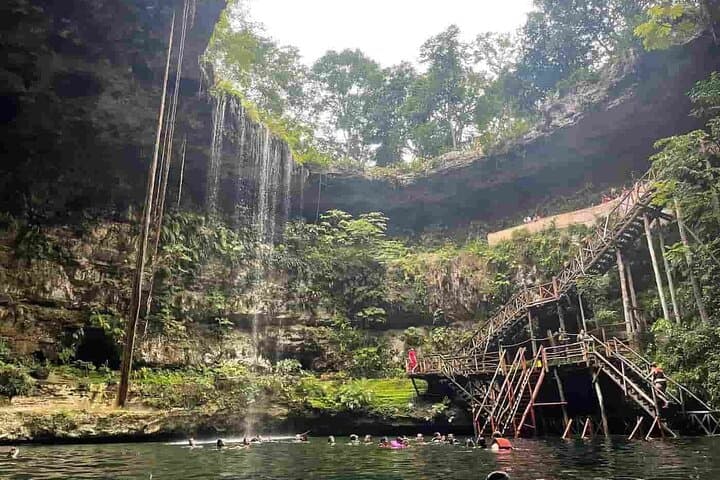
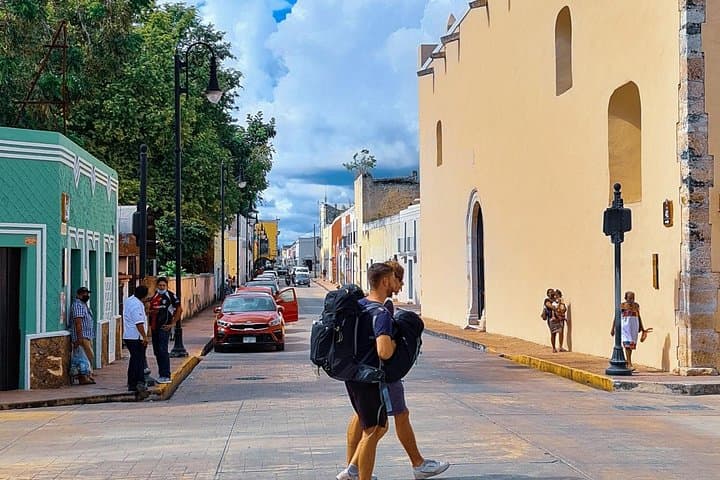
Geology here is straightforward: Yucatán’s low limestone supports sinkholes called cenotes—Samaal is one of many where an underground karst system has left a bowl of clear water and sheer rock walls. In Valladolid, Spanish colonial streets open into shaded squares and pulquerías, a reminder that this landscape has been a crossroads of Maya, colonial and modern Mexican life for centuries.
The day’s cultural elements—an optional shaman-led cleansing, artisan demonstrations and a tequila tasting—give context, while a buffet of regional dishes restores energy before a crisp swim at the cenote. Practicalities matter: life vests are mandatory at the cenote, a preservation tax may be charged separately, and the tour runs long—expect a full day with early pickup and late return to the Riviera Maya.
Plan for sun protection, a swimsuit under clothing for quick changes, cash for the preservation fee and comfortable walking shoes for uneven stone. If you have heart, back or pregnancy concerns, this trip is not recommended. Done well, the day pairs archaeology and water in a single steady rhythm that pulls you forward.
easy.
13 hours.
Suitable for people in average physical condition who can walk on uneven stone and stand for guided segments.
Archaeological site admission is typically included with this tour, but a separate preservation tax (around $40 USD) may be charged at the site and is not included.
Yes—swimming is part of the itinerary; life vests are mandatory and towels/swimsuits should be brought by travelers.
The buffet features regional Mexican dishes; guides and operators usually accommodate common dietary needs if notified in advance—note your requirements when booking.
No. The operator advises that it is not recommended for pregnant travelers or those with serious spinal or cardiovascular conditions.
Chichén Itzá rose to prominence in the Terminal Classic period; the site was a major Maya and later political center tied to trade and ritual life.
Cenote ecosystems are sensitive to contaminants—avoid sunscreen or use eco-friendly formulas when swimming and follow local guidance to minimize impact.
Open Vacations operates guided outdoor trips and adventures with an emphasis on safety, stewardship, and memorable experiences.
You step off the air-conditioned minibus into a dry wind that seems intent on keeping the plaza swept clean of anything but stone and shadow.
You step off the air-conditioned minibus into a dry wind that seems intent on keeping the plaza swept clean of anything but stone and shadow.
The bulk of El Castillo looms—precise, sunlit—and the plaza around it hums with the slow cadence of tourists and guides translating centuries. Your guide will point out the feathered serpent of Kukulcán, the acoustic trick of the stair-clap, and the Temple of the Warriors where carved bas-reliefs still insist on presence.
Geology here is straightforward: Yucatán’s low limestone supports sinkholes called cenotes—Samaal is one of many where an underground karst system has left a bowl of clear water and sheer rock walls. In Valladolid, Spanish colonial streets open into shaded squares and pulquerías, a reminder that this landscape has been a crossroads of Maya, colonial and modern Mexican life for centuries.
The day’s cultural elements—an optional shaman-led cleansing, artisan demonstrations and a tequila tasting—give context, while a buffet of regional dishes restores energy before a crisp swim at the cenote. Practicalities matter: life vests are mandatory at the cenote, a preservation tax may be charged separately, and the tour runs long—expect a full day with early pickup and late return to the Riviera Maya.
Plan for sun protection, a swimsuit under clothing for quick changes, cash for the preservation fee and comfortable walking shoes for uneven stone. If you have heart, back or pregnancy concerns, this trip is not recommended. Done well, the day pairs archaeology and water in a single steady rhythm that pulls you forward.