THE ADVENTURE COLLECTIVE® · Independent discovery and booking for outdoor travel

A full-day journey from Playa del Carmen to Chichén Itzá, Cenote Saamal, and Valladolid that pairs archaeology and a cooling cenote swim. Expect an early start, a guided ruins tour, and colonial streets to explore.
A full-day journey from Playa del Carmen to Chichén Itzá, Cenote Saamal, and Valladolid that pairs archaeology and a cooling cenote swim. Expect an early start, a guided ruins tour, and colonial streets to explore.
You step out of the bus into wide light and the Pyramid of Kukulcán fills your vision—stone terraces catching the sun like a giant calendar. The plaza hums with history; wind moves through columns and the ball court seems to remember the echo of a thrown rubber ball.
Verified experiences and guided adventures in the surrounding area.
Operated by Caribe Páradise Tours · Valladolid, Yucatán
You step out of the bus into wide light and the Pyramid of Kukulcán fills your vision—stone terraces catching the sun like a giant calendar. The plaza hums with history; wind moves through columns and the ball court seems to remember the echo of a thrown rubber ball.
Chichén Itzá sits on the northern Yucatán limestone plain where the Maya aligned architecture to stars and seasons. The region’s porous karst geology created cenotes—collapsed sinkholes that supply groundwater and, for the Maya, a portal to the underworld. Valladolid, founded during the early colonial period, displays Spanish facades over a Maya cultural base; local markets sell handwoven hammocks and achiote-scented dishes that trace both lineages.
After a guided walk through plazas, temples, and the Temple of the Warriors, the tour moves to Cenote Saamal. Sunlight slants into turquoise water that dares you to dive; changing rooms and life jackets make the swim accessible. The final stop is Valladolid, where cobbled streets, the San Servacio church, and street food offer a softer pace before the return transfer to Playa del Carmen.
Practical notes: expect an 11–12 hour day with early pickup, bring the Mexican conservation fee for the ruins, and carry hydration and sun protection. Wear closed-toe shoes for uneven stone and a quick-dry swimsuit for the cenote. Keep valuables secure at stops and respect site rules—no climbing on ruins and no sunscreen in cenote water to protect fragile aquatic life.
moderate.
11–12 hours.
Suitable for travelers who can handle long days on foot and short swims; basic stamina required for walking on uneven terrain.
Plan for about 11–12 hours total including transportation, guided time at Chichén Itzá, the cenote stop, and free time in Valladolid.
No; the preservation tax for the ruins is paid on arrival (around USD 22 for adults).
Yes; the cenote has life jackets, changing rooms, and safe access for swimming or jumping from a platform depending on your comfort level.
The tour is family-friendly but not recommended for pregnant travelers or those with serious back or heart conditions due to long travel times and uneven walking surfaces.
Chichén Itzá grew into a major Maya city between 600–900 CE; its structures encode astronomical and calendrical knowledge central to Maya society.
The region enforces entrance fees and restricted access to sensitive areas; avoid sunscreen or insect repellent when swimming in cenotes and support local guides and artisans.
Caribe Páradise Tours operates guided outdoor trips and adventures with an emphasis on safety, stewardship, and memorable experiences.
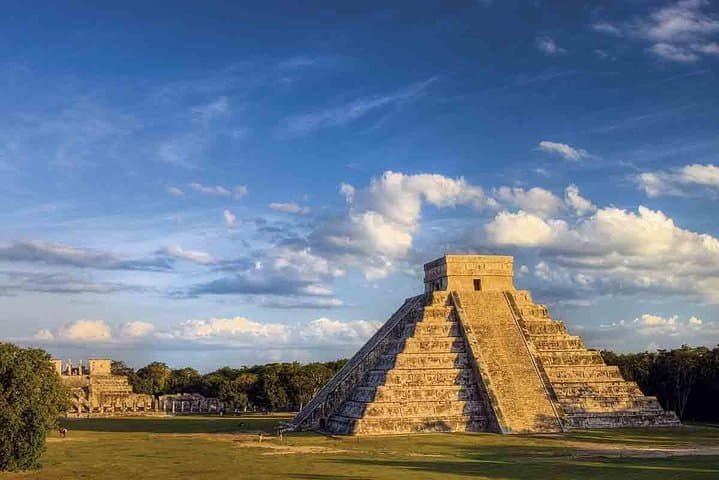
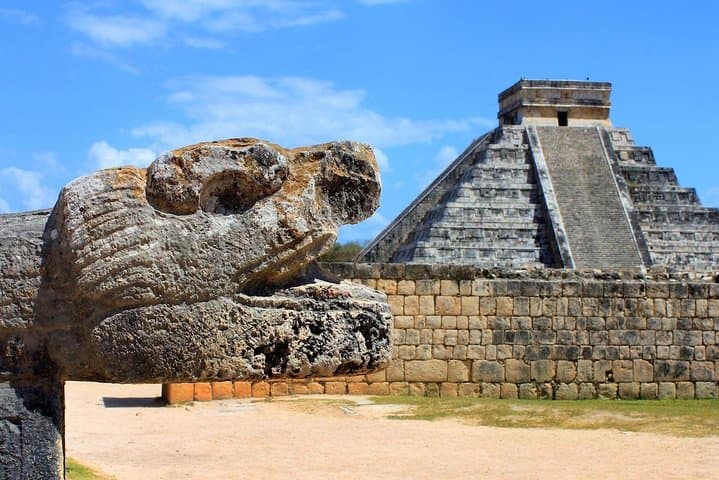
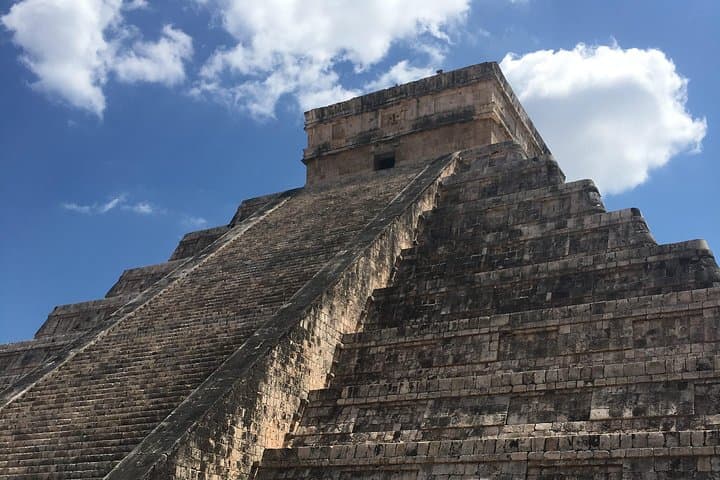

You step out of the bus into wide light and the Pyramid of Kukulcán fills your vision—stone terraces catching the sun like a giant calendar. The plaza hums with history; wind moves through columns and the ball court seems to remember the echo of a thrown rubber ball.
You step out of the bus into wide light and the Pyramid of Kukulcán fills your vision—stone terraces catching the sun like a giant calendar. The plaza hums with history; wind moves through columns and the ball court seems to remember the echo of a thrown rubber ball.
Chichén Itzá sits on the northern Yucatán limestone plain where the Maya aligned architecture to stars and seasons. The region’s porous karst geology created cenotes—collapsed sinkholes that supply groundwater and, for the Maya, a portal to the underworld. Valladolid, founded during the early colonial period, displays Spanish facades over a Maya cultural base; local markets sell handwoven hammocks and achiote-scented dishes that trace both lineages.
After a guided walk through plazas, temples, and the Temple of the Warriors, the tour moves to Cenote Saamal. Sunlight slants into turquoise water that dares you to dive; changing rooms and life jackets make the swim accessible. The final stop is Valladolid, where cobbled streets, the San Servacio church, and street food offer a softer pace before the return transfer to Playa del Carmen.
Practical notes: expect an 11–12 hour day with early pickup, bring the Mexican conservation fee for the ruins, and carry hydration and sun protection. Wear closed-toe shoes for uneven stone and a quick-dry swimsuit for the cenote. Keep valuables secure at stops and respect site rules—no climbing on ruins and no sunscreen in cenote water to protect fragile aquatic life.