THE ADVENTURE COLLECTIVE® · Independent discovery and booking for outdoor travel

Experience Chichén Itzá’s pyramid and a refreshing cenote swim on a private skip-the-line day trip from Cancún. Expect flat walking, expert local guides, transport and lunch—plan for sun, water and modest cash for entrance or souvenirs.
Experience Chichén Itzá’s pyramid and a refreshing cenote swim on a private skip-the-line day trip from Cancún. Expect flat walking, expert local guides, transport and lunch—plan for sun, water and modest cash for entrance or souvenirs.
The morning light strips shadows from the Pyramid of Kukulcán as a private van releases you near the plaza and the stone steps seem suddenly close enough to touch.
Verified experiences and guided adventures in the surrounding area.
Operated by Carey Tours Riviera Maya · Chichén Itzá, Yucatán
The morning light strips shadows from the Pyramid of Kukulcán as a private van releases you near the plaza and the stone steps seem suddenly close enough to touch.
This is a day that pairs archaeology with freshwater—Chichén Itzá’s broad, flat causeways and plazas give way to the cool throat of a cenote where the water calls travelers to swim. The site sits on low Yucatán limestone; beneath the ruins is porous karst carved by groundwater that created the region’s famous sinkholes and underground rivers.
Historically, Chichén Itzá was a major Postclassic Maya city and an astronomical center; its alignments and carvings reflect rituals, trade, and long-distance influence from central Mexico. Nearby, cenotes were sacred water sources for communities and remain geological windows into the peninsula’s aquifers.
Practically, expect roughly 1–2 km of walking on compacted earth and stone with negligible elevation gain—paths are flat but can be dusty and hot. Tours typically include private transport from Cancún, a local guide, lunch, and time for a supervised swim in a nearby cenote; entrance fees may not be included, so confirm before you go. Start early to avoid midday heat and crowds, carry a refillable water bottle, wear breathable sun protection, and bring swimwear and a towel.
Bring cash for local vendors and modest footwear for uneven surfaces. The rhythm of the day moves from open plaza to shaded water—one moment listening to a guide explain Maya astronomy, the next feeling the cenote’s cool current push your shoulders free of heat.
easy.
9 hours (approximately).
Light to moderate fitness; able to walk 1–2 km on flat, uneven ground and climb a few shallow steps
Many operators do not include national park entrance fees by default—confirm when booking. The itinerary indicates admission may not be included, so bring cash or pay beforehand.
Yes; this tour includes private transportation from the pickup area—confirm your exact pickup point and time when you book.
Yes; the itinerary typically includes a supervised cenote swim. Bring swimwear, towel and waterproof footwear if desired.
The tour notes wheelchair accessibility, but some uneven surfaces and steps exist; contact the operator ahead to discuss specific needs.
Chichén Itzá was a major Maya city from roughly AD 600–1000, later becoming a cosmopolitan center with architectural influences beyond the Yucatán.
The site and surrounding cenotes are sensitive to foot traffic and pollution—use designated paths, avoid single-use plastics, and follow local rules for cenote use to protect groundwater.
Carey Tours Riviera Maya operates guided outdoor trips and adventures with an emphasis on safety, stewardship, and memorable experiences.
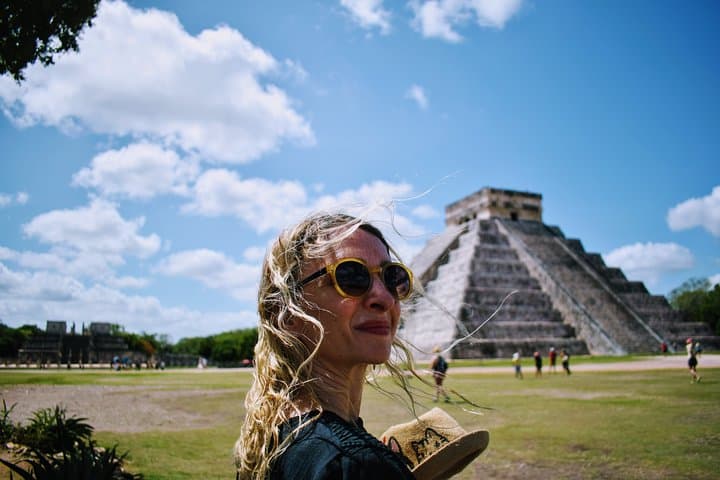
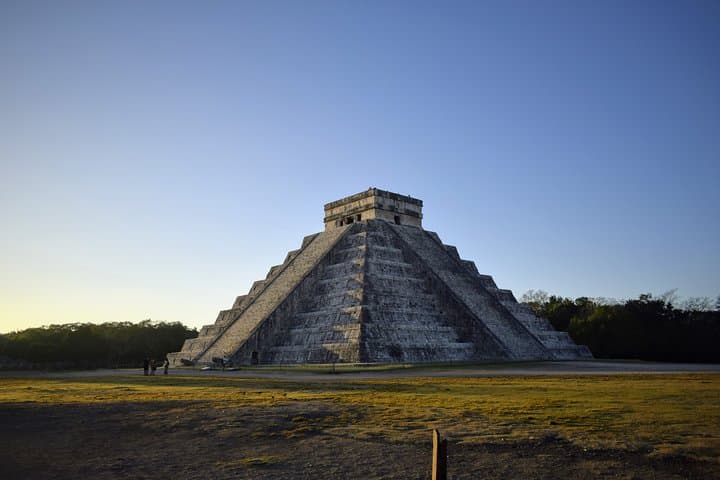
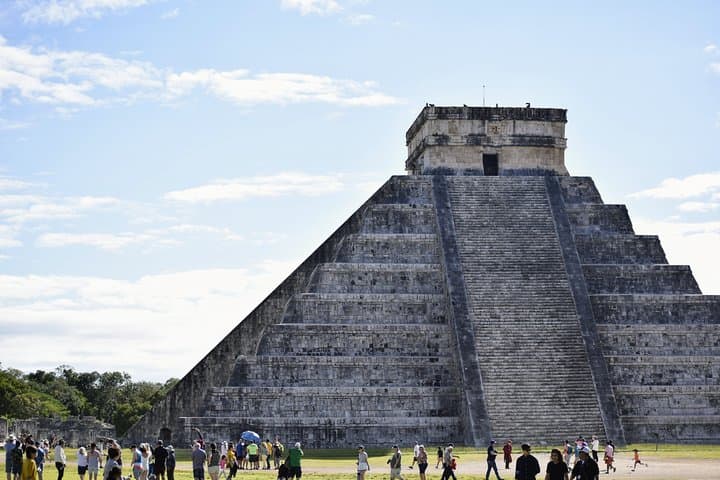
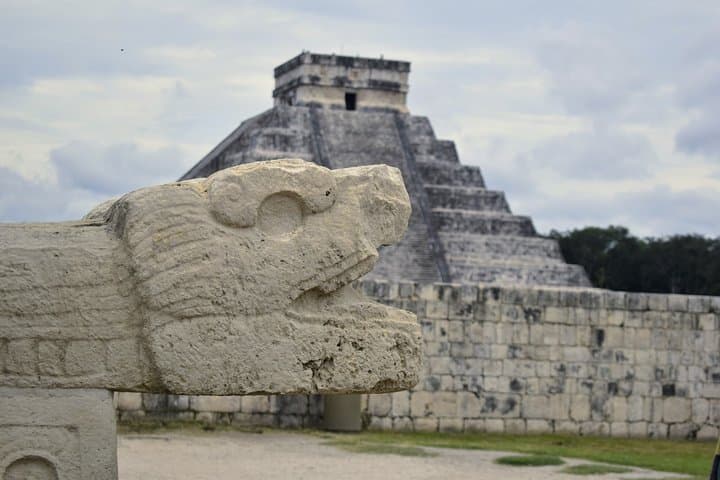
The morning light strips shadows from the Pyramid of Kukulcán as a private van releases you near the plaza and the stone steps seem suddenly close enough to touch.
The morning light strips shadows from the Pyramid of Kukulcán as a private van releases you near the plaza and the stone steps seem suddenly close enough to touch.
This is a day that pairs archaeology with freshwater—Chichén Itzá’s broad, flat causeways and plazas give way to the cool throat of a cenote where the water calls travelers to swim. The site sits on low Yucatán limestone; beneath the ruins is porous karst carved by groundwater that created the region’s famous sinkholes and underground rivers.
Historically, Chichén Itzá was a major Postclassic Maya city and an astronomical center; its alignments and carvings reflect rituals, trade, and long-distance influence from central Mexico. Nearby, cenotes were sacred water sources for communities and remain geological windows into the peninsula’s aquifers.
Practically, expect roughly 1–2 km of walking on compacted earth and stone with negligible elevation gain—paths are flat but can be dusty and hot. Tours typically include private transport from Cancún, a local guide, lunch, and time for a supervised swim in a nearby cenote; entrance fees may not be included, so confirm before you go. Start early to avoid midday heat and crowds, carry a refillable water bottle, wear breathable sun protection, and bring swimwear and a towel.
Bring cash for local vendors and modest footwear for uneven surfaces. The rhythm of the day moves from open plaza to shaded water—one moment listening to a guide explain Maya astronomy, the next feeling the cenote’s cool current push your shoulders free of heat.