THE ADVENTURE COLLECTIVE® · Independent discovery and booking for outdoor travel

Visit UNESCO-listed Chichén Itzá, swim in a private open cenote at Hacienda Guadalupana, and enjoy free time in colonial Valladolid. This full-day trip pairs guided archaeology with a refreshing cenote swim and regional buffet.
Visit UNESCO-listed Chichén Itzá, swim in a private open cenote at Hacienda Guadalupana, and enjoy free time in colonial Valladolid. This full-day trip pairs guided archaeology with a refreshing cenote swim and regional buffet.
A cool morning light slants across the limestone plaza as your group approaches the Castillo—El Castillo—that both frames and measures the site. The pyramid’s carved faces and staircases tower over the plaza; wind and history push you forward as if the stones themselves insist you look up.
Verified experiences and guided adventures in the surrounding area.
Operated by Ocean Tours Mexico · Pisté, Yucatán
A cool morning light slants across the limestone plaza as your group approaches the Castillo—El Castillo—that both frames and measures the site. The pyramid’s carved faces and staircases tower over the plaza; wind and history push you forward as if the stones themselves insist you look up.
Chichén Itzá grew from a Maya city-state into a major regional center between AD 600–1200. The site sits on a low limestone plain where cenotes—solution sinkholes—formed as the Yucatán’s porous bedrock collapsed, exposing groundwater that sustained ancient settlements and played a central role in ritual life.
After the ruins, the tour moves to Hacienda Guadalupana’s private open cenote. The water is an arresting blue-green; light through the oak canopy plays on the water as fish and occasional motmots flicker at the edges. Valladolid’s colonial streets nearby offer a contrast: pastel facades, a 16th-century church, local markets and regional dishes served in small cafés.
Practically: expect a full day—transportation is included, and the visit to Chichén Itzá is guided. Bring swimwear, reef-safe sunscreen, and a towel for the cenote; life jackets are provided. Wear sturdy walking shoes for uneven stone surfaces and a hat for long sun exposure on the plaza.
Timing matters—arrive with water and patience for crowds during high season. Respect protected areas: avoid entering cenotes with oils or inorganic sunscreens, and follow guide directions in the archaeological zones. The day pairs culture, geology and a cool swim—accessible and vivid for curious travelers ready for a long but rewarding day out of the Riviera Maya.
moderate.
10 hours.
Moderate—requires walking on uneven archaeological stone, short climbs, and short swim ability for cenote.
The tour runs about 10 hours total, including round-trip transportation, the guided visit to Chichén Itzá, cenote time, lunch and free time in Valladolid.
Yes—this tour includes free time to swim in a private open cenote; life jackets are provided and staff will brief swimmers on safety.
Yes—the tour includes admission to Chichén Itzá and a certified bilingual guide accompanies the group through the archaeological site.
A buffet lunch with one drink is provided; vegetarian options are available—notify the operator at booking for special dietary needs.
Chichén Itzá was a major Maya urban center; its name means “at the mouth of the well of the Itzá,” referencing nearby cenotes that were sacred and vital to the city.
Cenotes are ecologically sensitive—avoid sunscreens with oils or chemicals, pack out trash, and follow local guidelines to reduce impact.
Ocean Tours Mexico operates guided outdoor trips and adventures with an emphasis on safety, stewardship, and memorable experiences.
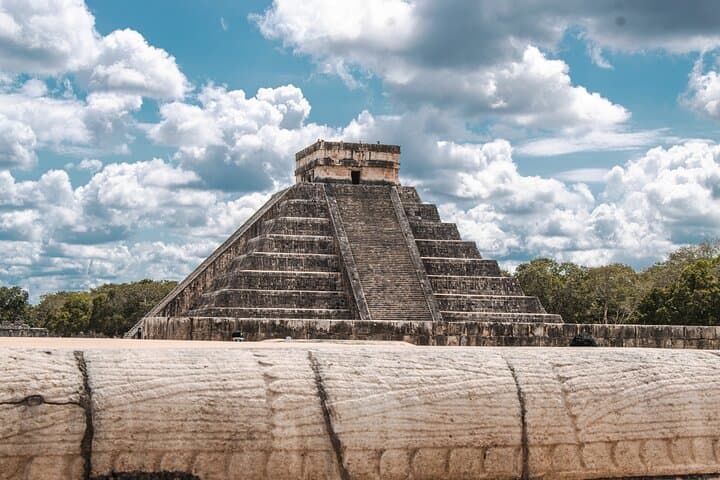
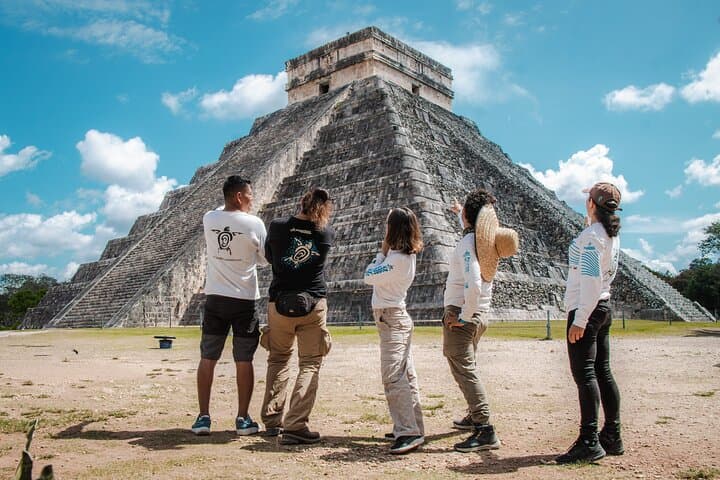
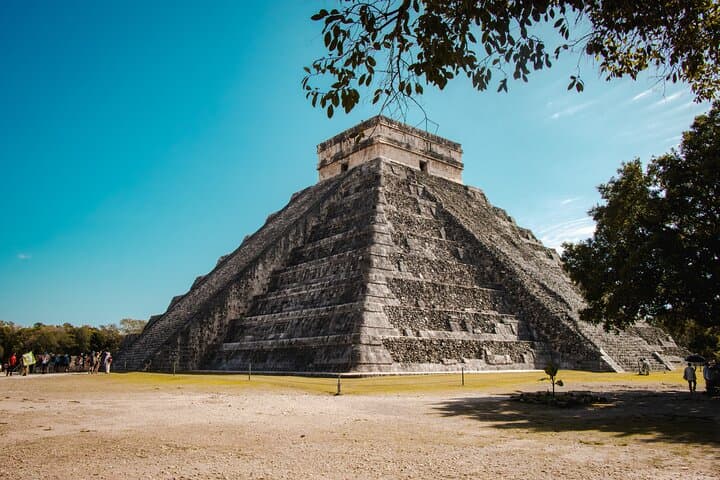
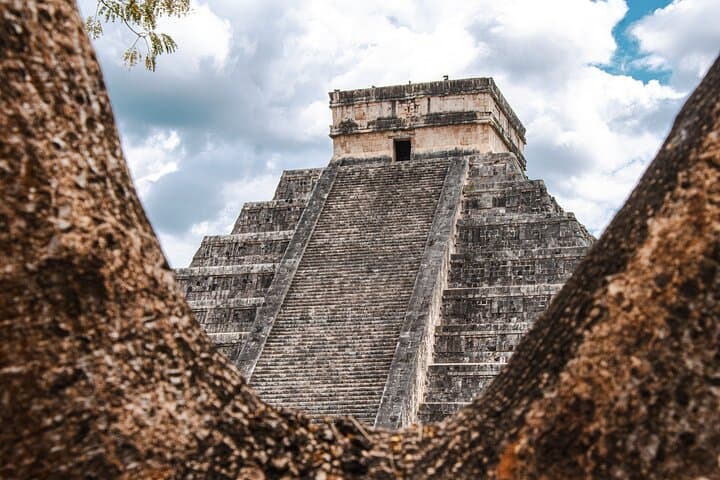
A cool morning light slants across the limestone plaza as your group approaches the Castillo—El Castillo—that both frames and measures the site. The pyramid’s carved faces and staircases tower over the plaza; wind and history push you forward as if the stones themselves insist you look up.
A cool morning light slants across the limestone plaza as your group approaches the Castillo—El Castillo—that both frames and measures the site. The pyramid’s carved faces and staircases tower over the plaza; wind and history push you forward as if the stones themselves insist you look up.
Chichén Itzá grew from a Maya city-state into a major regional center between AD 600–1200. The site sits on a low limestone plain where cenotes—solution sinkholes—formed as the Yucatán’s porous bedrock collapsed, exposing groundwater that sustained ancient settlements and played a central role in ritual life.
After the ruins, the tour moves to Hacienda Guadalupana’s private open cenote. The water is an arresting blue-green; light through the oak canopy plays on the water as fish and occasional motmots flicker at the edges. Valladolid’s colonial streets nearby offer a contrast: pastel facades, a 16th-century church, local markets and regional dishes served in small cafés.
Practically: expect a full day—transportation is included, and the visit to Chichén Itzá is guided. Bring swimwear, reef-safe sunscreen, and a towel for the cenote; life jackets are provided. Wear sturdy walking shoes for uneven stone surfaces and a hat for long sun exposure on the plaza.
Timing matters—arrive with water and patience for crowds during high season. Respect protected areas: avoid entering cenotes with oils or inorganic sunscreens, and follow guide directions in the archaeological zones. The day pairs culture, geology and a cool swim—accessible and vivid for curious travelers ready for a long but rewarding day out of the Riviera Maya.