THE ADVENTURE COLLECTIVE® · Independent discovery and booking for outdoor travel

Spend a full day tracing Mayan stonework, colonial streets and a dramatic cenote swim. This practical guide outlines what to expect at Chichen Itza, Cenote Ik Kil and Valladolid — from terrain and history to packing tips.
Spend a full day tracing Mayan stonework, colonial streets and a dramatic cenote swim. This practical guide outlines what to expect at Chichen Itza, Cenote Ik Kil and Valladolid — from terrain and history to packing tips.
You step off the air-conditioned van into a stretch of low limestone plain where wind pushes the low scrub and the Kukulcán pyramid rises blunt and geometric against a high sky.
Verified experiences and guided adventures in the surrounding area.
Operated by The Jungle Experience · Valladolid, Yucatán
You step off the air-conditioned van into a stretch of low limestone plain where wind pushes the low scrub and the Kukulcán pyramid rises blunt and geometric against a high sky.
The tour moves like a small pulse: a guided pass through Chichen Itza’s plazas where stepped stone and carved reliefs map the Mayan calendar, then a pause in Valladolid’s shaded streets, followed by the cool hush of Cenote Ik Kil where water and light trade places. The region sits on Yucatán’s porous carbonate plateau; cenotes are sinkholes where groundwater has exposed a subterranean world, and the archaeological complex records a society expert in astronomy and stonework.
Valladolid adds a Spanish-colonial heartbeat — color-washed facades, a central zócalo, and local food stalls where long-simmered Yucatecan dishes remain family recipes. Between geology and culture, the day threads history and nature: limestone quarries shaped the architecture, cenotes dictated settlement and ritual, and modern towns preserve language and cuisine.
Practical edge: this is an eight-hour day tour with significant walking on uneven surfaces and hot sun. Plan to arrive early with sun protection, refillable water, swap to a swimsuit and water shoes for Ik Kil, and bring cash for small vendors in Valladolid. Respect site rules at Chichen Itza — no climbing — and follow your guide’s route to minimize queues. Expect moderate physical demand, intermittent stairs at the cenote, and steady humidity; timing your visit in the morning or late afternoon reduces heat and bus crowds.
moderate.
8 hours.
Moderate fitness: expect several miles of walking on uneven ground and stairs, plus a short swim in the cenote.
The full excursion runs about eight hours with guided segments at each stop; expect moderate walking with pauses for interpretation and photo stops.
Yes — visitors typically swim there; life vests are often available but confirm with the operator if you need one.
Most organized tours include park admission, but climbing the Kukulcán pyramid is prohibited under current regulations.
Tours commonly include lunch and bottled water; bring small cash for extra snacks, and a refillable bottle if you prefer to reduce plastic use.
Chichen Itza was a major Postclassic Mayan center known for astronomical architecture; Valladolid is a Spanish-founded town (16th century) that became a regional market hub.
Cenotes are fragile freshwater systems — avoid sunscreens with harmful chemicals and use provided facilities to limit pollution; many operators promote responsible visitation to protect groundwater and archaeological sites.
The Jungle Experience operates guided outdoor trips and adventures with an emphasis on safety, stewardship, and memorable experiences.
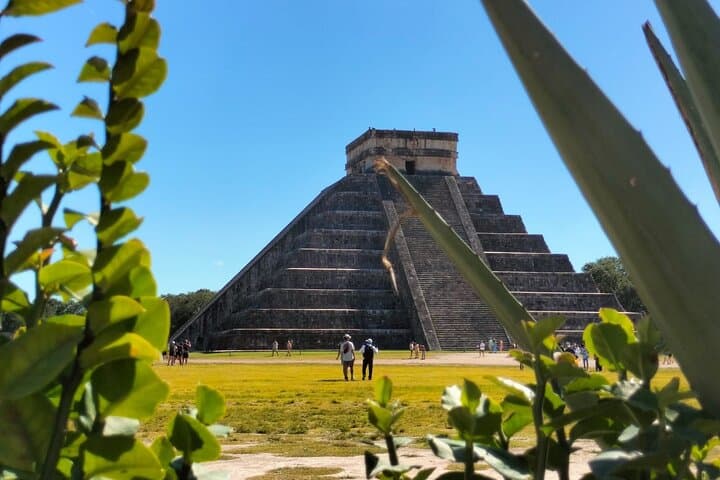
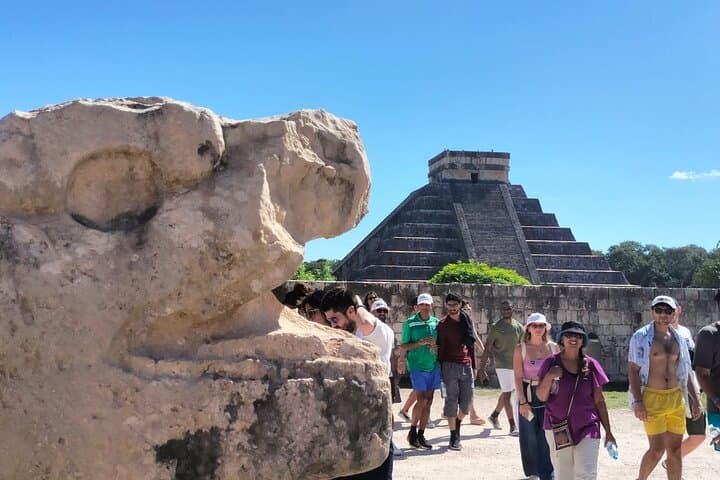
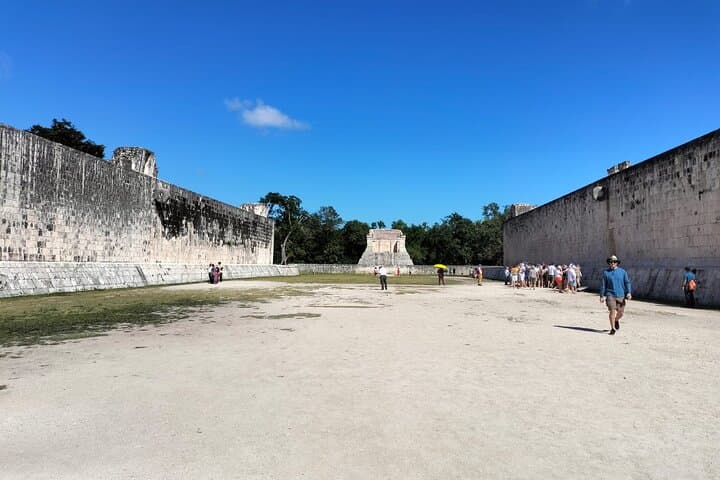

You step off the air-conditioned van into a stretch of low limestone plain where wind pushes the low scrub and the Kukulcán pyramid rises blunt and geometric against a high sky.
You step off the air-conditioned van into a stretch of low limestone plain where wind pushes the low scrub and the Kukulcán pyramid rises blunt and geometric against a high sky.
The tour moves like a small pulse: a guided pass through Chichen Itza’s plazas where stepped stone and carved reliefs map the Mayan calendar, then a pause in Valladolid’s shaded streets, followed by the cool hush of Cenote Ik Kil where water and light trade places. The region sits on Yucatán’s porous carbonate plateau; cenotes are sinkholes where groundwater has exposed a subterranean world, and the archaeological complex records a society expert in astronomy and stonework.
Valladolid adds a Spanish-colonial heartbeat — color-washed facades, a central zócalo, and local food stalls where long-simmered Yucatecan dishes remain family recipes. Between geology and culture, the day threads history and nature: limestone quarries shaped the architecture, cenotes dictated settlement and ritual, and modern towns preserve language and cuisine.
Practical edge: this is an eight-hour day tour with significant walking on uneven surfaces and hot sun. Plan to arrive early with sun protection, refillable water, swap to a swimsuit and water shoes for Ik Kil, and bring cash for small vendors in Valladolid. Respect site rules at Chichen Itza — no climbing — and follow your guide’s route to minimize queues. Expect moderate physical demand, intermittent stairs at the cenote, and steady humidity; timing your visit in the morning or late afternoon reduces heat and bus crowds.