THE ADVENTURE COLLECTIVE® · Independent discovery and booking for outdoor travel

Spend a full day exploring Chichén Itzá’s pyramids, swimming in two distinct cenotes — Ik Kil and Suytun — and sampling Valladolid’s colonial charm. This guided tour blends Maya history, karst geology, and practical logistics for a long but rewarding outing.
Spend a full day exploring Chichén Itzá’s pyramids, swimming in two distinct cenotes — Ik Kil and Suytun — and sampling Valladolid’s colonial charm. This guided tour blends Maya history, karst geology, and practical logistics for a long but rewarding outing.
You step off the air-conditioned coach into a sweep of limestone and sun — the shadow of El Castillo cuts across the plaza while warm wind pulls at the loose stones underfoot. Guides speak of astronomy and ceremony as the pyramid watches over a city grown from rock and ritual.
Verified experiences and guided adventures in the surrounding area.
Operated by New Choice Travel · Pisté, Yucatán
You step off the air-conditioned coach into a sweep of limestone and sun — the shadow of El Castillo cuts across the plaza while warm wind pulls at the loose stones underfoot. Guides speak of astronomy and ceremony as the pyramid watches over a city grown from rock and ritual.
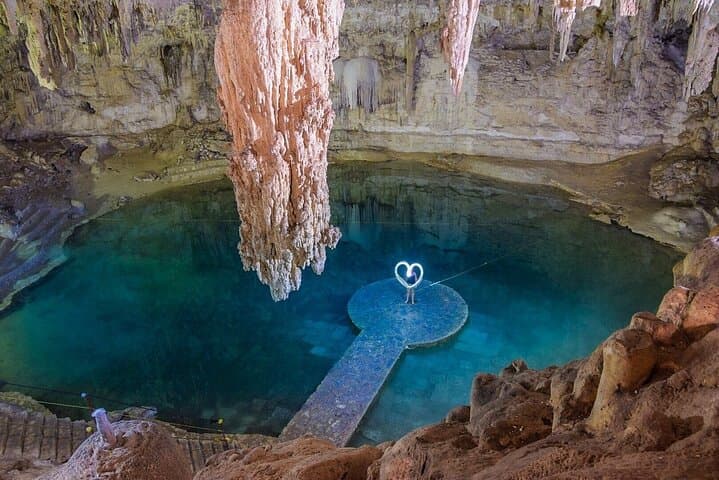
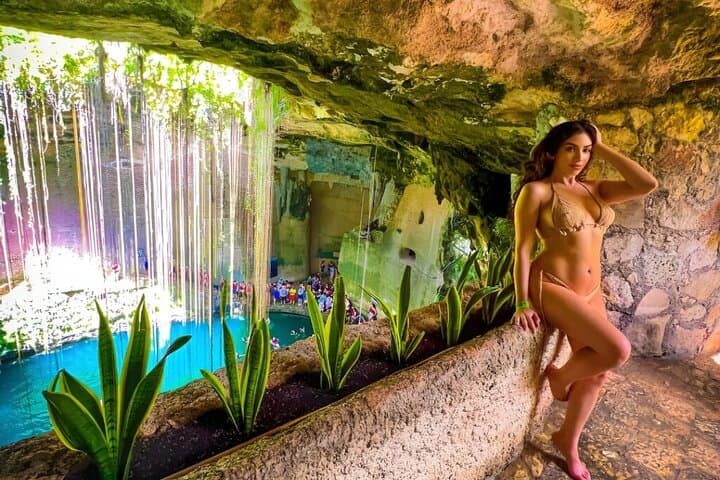
Chichén Itzá is a late-classic to post-classic Maya site where geometry and calendar meet in stone. The bedrock here is porous limestone; sinkholes and cenotes that supplied water to the Maya are both geological features and spiritual wells. Suytun and Ik Kil showcase two faces of that karst landscape — a cavern-stone spotlight in Suytun and an open, vine-framed drop at Ik Kil where water invites a cool reset.
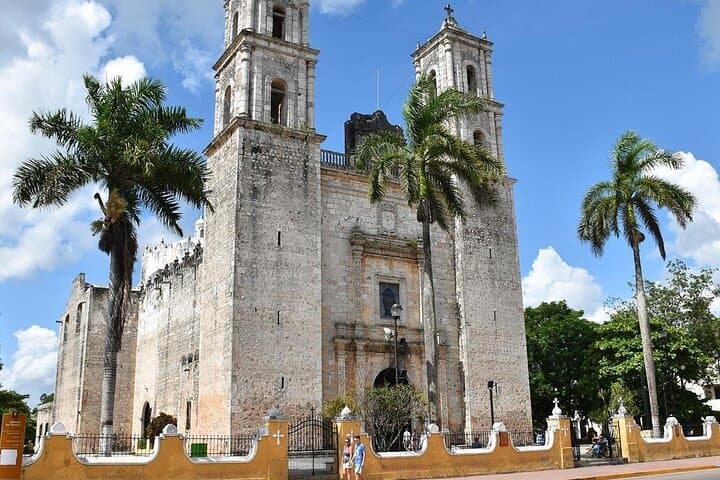
Valladolid adds a colonial counterpoint: pastel facades, a busy zócalo and local mercados selling longaniza and hand-painted ceramics. Guides on this route are bilingual and tie archaeology to present-day life in the Yucatán.
Practical guide: this is a long day — expect 12–13 hours on a shared coach with multiple stops. Bring swimwear, towel, and cash for the mandatory conservation fee. Footwear should grip stone and stairs; some sections at Chichén Itzá require steady balance. Hydrate early, apply reef-safe sunscreen, and schedule the day early in high season to avoid peak crowds and heat.
You’ll trade photos and legends for a plunge in cool cenote water, then a buffet to finish — a day that threads culture, geology, and a wet, refreshing reward into one continuous experience.
easy.
12–13 hours.
Suitable for average fitness — involves walking on uneven ground and climbing stairs; not strenuous but requires stamina for a long day
No — the official preservation fee (about $15 USD per adult, $10 per child) is usually paid on arrival and is not included in most tour prices.
Yes — the itinerary includes roughly one hour at each cenote; life jackets are typically provided and sometimes mandatory.
Expect around 2–2.5 hours each way depending on traffic; the full trip runs roughly 12–13 hours including stops.
You can walk around the main plazas and see El Castillo from the ground — climbing the main pyramid is no longer permitted, but there are uneven steps and areas to navigate.
Chichén Itzá rose as a major Maya political and ceremonial center between the 8th and 12th centuries CE; its monuments encode astronomical and calendrical knowledge.
The region enforces a preservation fee and access rules to protect fragile ruins and cenote ecosystems; use reef-safe products and avoid touching stalactites or archaeological carvings.
New Choice Travel operates guided outdoor trips and adventures with an emphasis on safety, stewardship, and memorable experiences.
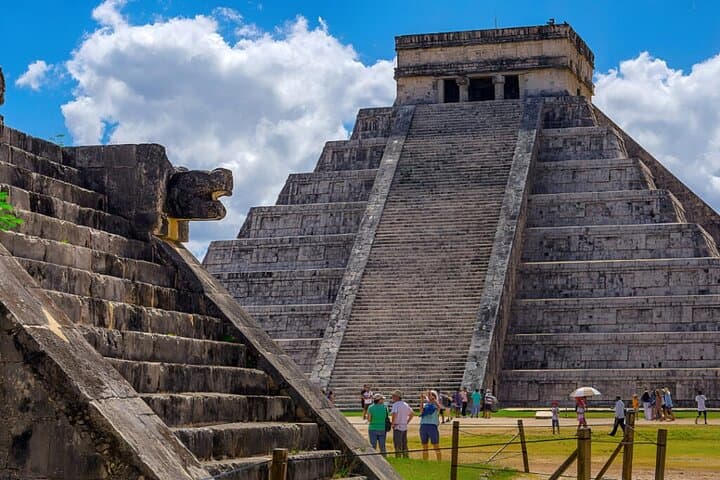
You step off the air-conditioned coach into a sweep of limestone and sun — the shadow of El Castillo cuts across the plaza while warm wind pulls at the loose stones underfoot. Guides speak of astronomy and ceremony as the pyramid watches over a city grown from rock and ritual.
You step off the air-conditioned coach into a sweep of limestone and sun — the shadow of El Castillo cuts across the plaza while warm wind pulls at the loose stones underfoot. Guides speak of astronomy and ceremony as the pyramid watches over a city grown from rock and ritual.
Chichén Itzá is a late-classic to post-classic Maya site where geometry and calendar meet in stone. The bedrock here is porous limestone; sinkholes and cenotes that supplied water to the Maya are both geological features and spiritual wells. Suytun and Ik Kil showcase two faces of that karst landscape — a cavern-stone spotlight in Suytun and an open, vine-framed drop at Ik Kil where water invites a cool reset.
Valladolid adds a colonial counterpoint: pastel facades, a busy zócalo and local mercados selling longaniza and hand-painted ceramics. Guides on this route are bilingual and tie archaeology to present-day life in the Yucatán.
Practical guide: this is a long day — expect 12–13 hours on a shared coach with multiple stops. Bring swimwear, towel, and cash for the mandatory conservation fee. Footwear should grip stone and stairs; some sections at Chichén Itzá require steady balance. Hydrate early, apply reef-safe sunscreen, and schedule the day early in high season to avoid peak crowds and heat.
You’ll trade photos and legends for a plunge in cool cenote water, then a buffet to finish — a day that threads culture, geology, and a wet, refreshing reward into one continuous experience.