THE ADVENTURE COLLECTIVE® · Independent discovery and booking for outdoor travel

A brisk day trip from Cancún delivers a close-up of Chichén Itzá’s commanding pyramid and swims in dramatic cenotes. This practical guide covers what you’ll see, what to pack, and how to make the most of the 7–8 hour itinerary.
A brisk day trip from Cancún delivers a close-up of Chichén Itzá’s commanding pyramid and swims in dramatic cenotes. This practical guide covers what you’ll see, what to pack, and how to make the most of the 7–8 hour itinerary.
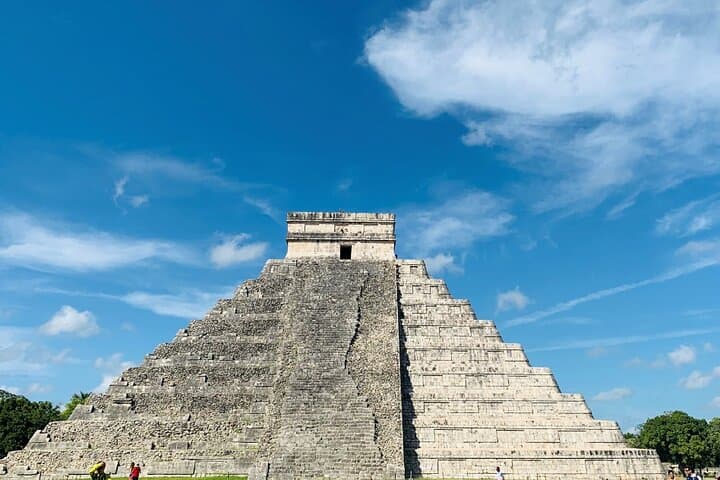
You step off the air-conditioned van into a hard, sunlit plaza where El Castillo towers and the jungle seems to be holding its breath. The pyramid’s geometry draws your gaze upward while iguanas slip along the stones, and the bus’s hum fades into the broad, ancient quiet.
Verified experiences and guided adventures in the surrounding area.
Operated by Jupiter Legend Corporation · Pisté, Yucatán
You step off the air-conditioned van into a hard, sunlit plaza where El Castillo towers and the jungle seems to be holding its breath. The pyramid’s geometry draws your gaze upward while iguanas slip along the stones, and the bus’s hum fades into the broad, ancient quiet.
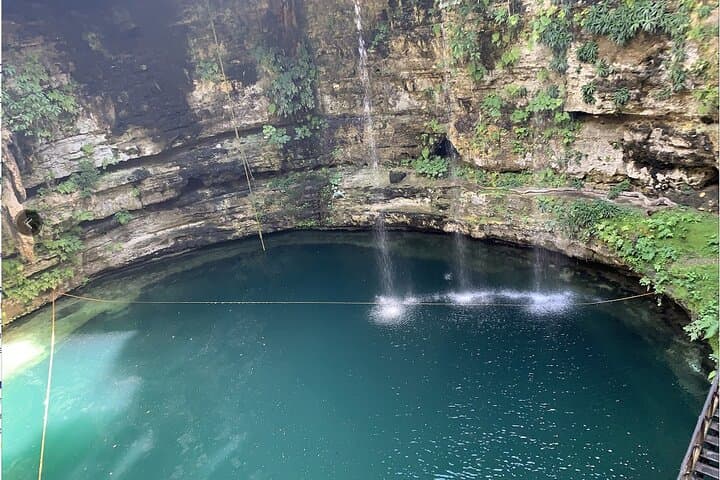
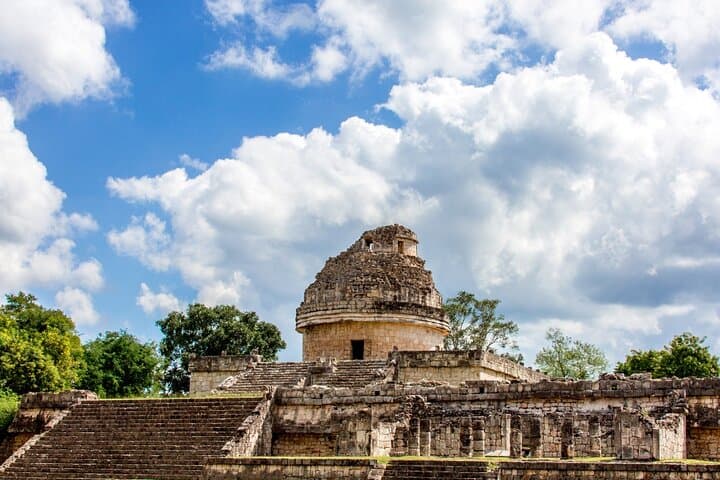
Chichén Itzá grew between about 600–1200 A.D., where Yucatec Maya engineering met influences from central Mexico to produce structures like the Temple of Kukulcán, the Great Ball Court, and the carved Chac masks. Geologically the region is low limestone karst; rainwater dissolves the bedrock to form cenotes — collapsed sinkholes that were sacred freshwater portals for the Maya.
This full-day tour covers roughly a 90-minute drive from Cancún each way, about 7–8 hours total, with 90 minutes for the ruins, a stop at Cenote Ik-Kil (water level ~26 m down) and a quick visit to Suytun for the light-and-platform photo. Expect flat walking on packed stone and short stair climbs; temperatures can spike midday.
Practical notes: wear sturdy sandals or sneakers, bring a swimsuit for Ik-Kil, reef-safe sunscreen, plenty of water and cash for lockers or extras. Cameras with adjustable ISO perform best in dim cenote light; a small towel and quick-dry layer are handy after a swim. Pickup and return to Cancún are typical; confirm your pickup point at least three days in advance. Respect posted paths and local rules — these places are both archaeological sites and fragile ecosystems that reward careful visitors with clear water, cool shade, and a direct link to Yucatán’s living past.
easy.
7–8 hours.
Light fitness; able to walk 1–2 miles on flat but uneven stone surfaces and climb short stairways.
The operator schedules roughly a 90-minute drive each way, depending on traffic and pick-up location.
Ik-Kil has stairs and platforms; swimming is optional and life jackets are generally available — non-swimmers should use a life jacket and supervise children closely.
Yes; the itinerary is low-impact with mostly flat walking, but there are stairs at cenotes and uneven stone at the ruins—check mobility needs with the operator ahead of time.
This tour lists attraction tickets and a meal as included, but bring cash for extras, lockers, and tips.
Chichén Itzá flourished between 600–1200 A.D.; El Castillo aligns with solar events that create a serpent-shadow effect during equinoxes.
Cenote ecosystems are sensitive to pollutants and crowds — use reef-safe sunscreen, avoid soaps in the water, and follow designated paths to limit erosion.
Jupiter Legend Corporation operates guided outdoor trips and adventures with an emphasis on safety, stewardship, and memorable experiences.
You step off the air-conditioned van into a hard, sunlit plaza where El Castillo towers and the jungle seems to be holding its breath. The pyramid’s geometry draws your gaze upward while iguanas slip along the stones, and the bus’s hum fades into the broad, ancient quiet.
You step off the air-conditioned van into a hard, sunlit plaza where El Castillo towers and the jungle seems to be holding its breath. The pyramid’s geometry draws your gaze upward while iguanas slip along the stones, and the bus’s hum fades into the broad, ancient quiet.
Chichén Itzá grew between about 600–1200 A.D., where Yucatec Maya engineering met influences from central Mexico to produce structures like the Temple of Kukulcán, the Great Ball Court, and the carved Chac masks. Geologically the region is low limestone karst; rainwater dissolves the bedrock to form cenotes — collapsed sinkholes that were sacred freshwater portals for the Maya.
This full-day tour covers roughly a 90-minute drive from Cancún each way, about 7–8 hours total, with 90 minutes for the ruins, a stop at Cenote Ik-Kil (water level ~26 m down) and a quick visit to Suytun for the light-and-platform photo. Expect flat walking on packed stone and short stair climbs; temperatures can spike midday.
Practical notes: wear sturdy sandals or sneakers, bring a swimsuit for Ik-Kil, reef-safe sunscreen, plenty of water and cash for lockers or extras. Cameras with adjustable ISO perform best in dim cenote light; a small towel and quick-dry layer are handy after a swim. Pickup and return to Cancún are typical; confirm your pickup point at least three days in advance. Respect posted paths and local rules — these places are both archaeological sites and fragile ecosystems that reward careful visitors with clear water, cool shade, and a direct link to Yucatán’s living past.