THE ADVENTURE COLLECTIVE® · Independent discovery and booking for outdoor travel

Spend a long day exploring Chichén Itzá’s monumental pyramids, wandering Valladolid’s colonial center, and cooling off in a nearby cenote. This full-day guided tour from Playa del Carmen blends Maya history, limestone geology and a refreshing swim.
Spend a long day exploring Chichén Itzá’s monumental pyramids, wandering Valladolid’s colonial center, and cooling off in a nearby cenote. This full-day guided tour from Playa del Carmen blends Maya history, limestone geology and a refreshing swim.
You arrive before noon to a wide plaza where the stone of El Castillo cools in the shade and the wind carries the distant calls of toucans and coatis.
Verified experiences and guided adventures in the surrounding area.
Operated by CP · Playa del Carmen, Quintana Roo
You arrive before noon to a wide plaza where the stone of El Castillo cools in the shade and the wind carries the distant calls of toucans and coatis.
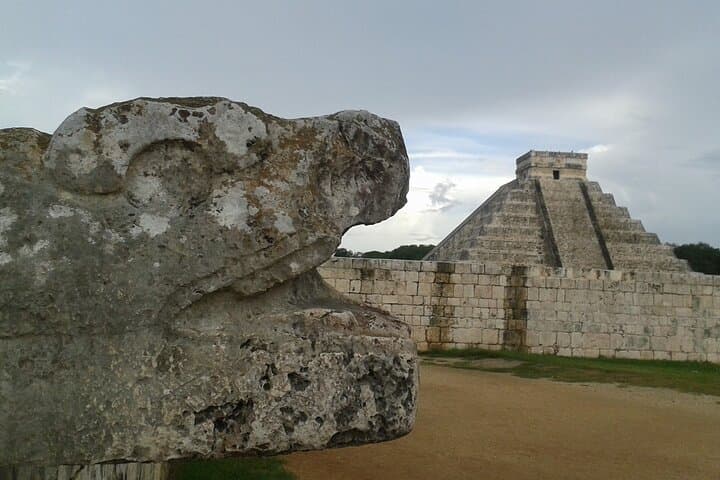
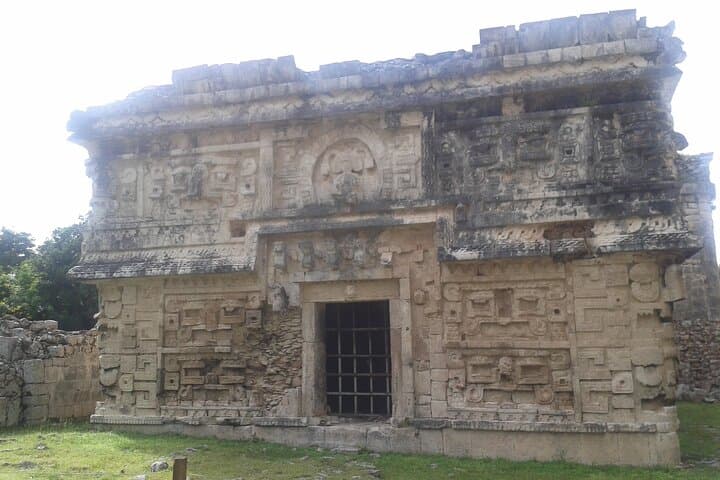
The tour stitches together three contrasting experiences: the archaeological gravity of Chichén Itzá, a short photo stop in the colonial streets of Valladolid, and a freshwater cenote carved into the Yucatán’s limestone. At Chichén Itzá you walk level paths around monumental architecture—El Castillo (the Temple of Kukulcán), the Great Ball Court and the Temple of the Warriors—each structure a record of Maya astronomy, engineering and ritual life.
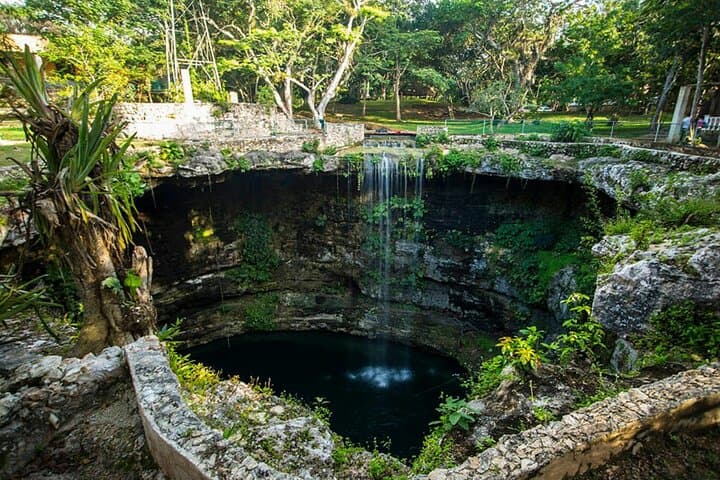
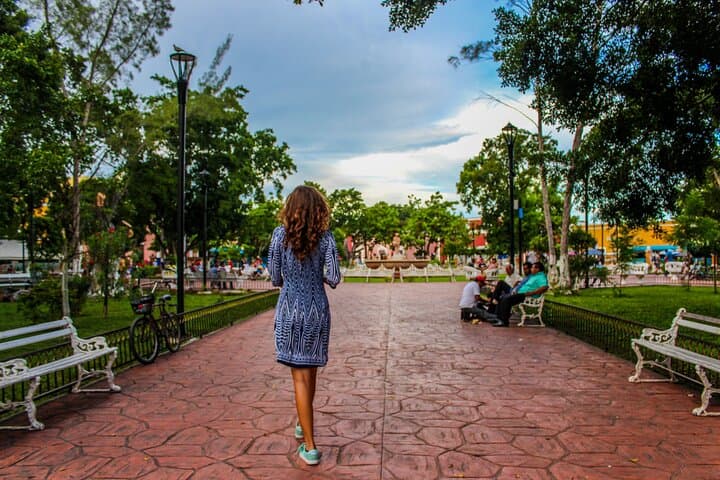
Geologically the region is a flat karst plain; cenotes are sinkholes where the porous limestone has given way to the groundwater below. Swimming in a cenote is swimming inside the peninsula’s aquifer—cool, clear water that contrasts with the tropical heat above. Valladolid offers a slower, human-scale interlude: a 16th-century convent, market stalls and local sweets to sample.
Practical guidance: this is a long, guided day (about 12 hours) with periods of walking on packed stone and boardwalks; expect 60–90 minutes exploring Chichén Itzá and 30–40 minutes at a cenote. Bring swimwear, biodegradable sunscreen, a refillable water bottle, and cash for small purchases and entrance upgrades. Start early, wear supportive shoes, and respect site rules—no climbing on monuments and follow changing local guidance for cenote use.
The combination is part history, part geology and part refreshing swim—an accessible, full-day snapshot of the Yucatán’s cultural landscape.
easy.
12 hours.
Suitable for most fitness levels but expect a long day with moderate walking on uneven stone; basic mobility required.
Many operators quote a base fare and require an additional admission fee (this tour notes an additional US$45 that typically covers site admission, cenote access, lunch and transport—confirm pricing when booking).
Yes, most cenote stops include swimming, but rules vary: you may need to shower first and use biodegradable sunscreen or none at all—follow staff instructions.
Expect about 60–90 minutes of on-foot exploration on mostly flat but uneven stone and boardwalks; mobility aids may be limited in some areas.
Yes, this tour departs from Playa del Carmen and commonly includes round-trip ground transportation—confirm your pickup point at booking.
Chichén Itzá was a major Maya urban center from the Classic to Postclassic periods; its architecture encodes astronomy and ritual practice, notably the equinox shadow serpent on El Castillo.
Cenotes are part of the Yucatán aquifer—avoid chemical sunscreens, use local trash facilities, and follow site signage to minimize erosion and ecological impact.
CP operates guided outdoor trips and adventures with an emphasis on safety, stewardship, and memorable experiences.
You arrive before noon to a wide plaza where the stone of El Castillo cools in the shade and the wind carries the distant calls of toucans and coatis.
You arrive before noon to a wide plaza where the stone of El Castillo cools in the shade and the wind carries the distant calls of toucans and coatis.
The tour stitches together three contrasting experiences: the archaeological gravity of Chichén Itzá, a short photo stop in the colonial streets of Valladolid, and a freshwater cenote carved into the Yucatán’s limestone. At Chichén Itzá you walk level paths around monumental architecture—El Castillo (the Temple of Kukulcán), the Great Ball Court and the Temple of the Warriors—each structure a record of Maya astronomy, engineering and ritual life.
Geologically the region is a flat karst plain; cenotes are sinkholes where the porous limestone has given way to the groundwater below. Swimming in a cenote is swimming inside the peninsula’s aquifer—cool, clear water that contrasts with the tropical heat above. Valladolid offers a slower, human-scale interlude: a 16th-century convent, market stalls and local sweets to sample.
Practical guidance: this is a long, guided day (about 12 hours) with periods of walking on packed stone and boardwalks; expect 60–90 minutes exploring Chichén Itzá and 30–40 minutes at a cenote. Bring swimwear, biodegradable sunscreen, a refillable water bottle, and cash for small purchases and entrance upgrades. Start early, wear supportive shoes, and respect site rules—no climbing on monuments and follow changing local guidance for cenote use.
The combination is part history, part geology and part refreshing swim—an accessible, full-day snapshot of the Yucatán’s cultural landscape.