THE ADVENTURE COLLECTIVE® · Independent discovery and booking for outdoor travel

Spend a day exploring Chichén Itzá’s monumental pyramids, plunge into a jungle cenote, and wander the colorful streets of Valladolid. This full-day tour from Playa del Carmen pairs archaeology with a refreshing swim and local flavors.
Spend a day exploring Chichén Itzá’s monumental pyramids, plunge into a jungle cenote, and wander the colorful streets of Valladolid. This full-day tour from Playa del Carmen pairs archaeology with a refreshing swim and local flavors.
You step from the air-conditioned van into a sun-baked clearing and the Kukulkan Pyramid rises ahead, its stone edges cutting a clean geometry against the sky. Voices fall quiet as the guide sketches the astronomical alignments, then the plaza opens — broad, dusty, and full of weathered stories.
Verified experiences and guided adventures in the surrounding area.
Operated by Joy Travel Rewards · Chichén Itzá, Yucatán
You step from the air-conditioned van into a sun-baked clearing and the Kukulkan Pyramid rises ahead, its stone edges cutting a clean geometry against the sky. Voices fall quiet as the guide sketches the astronomical alignments, then the plaza opens — broad, dusty, and full of weathered stories.
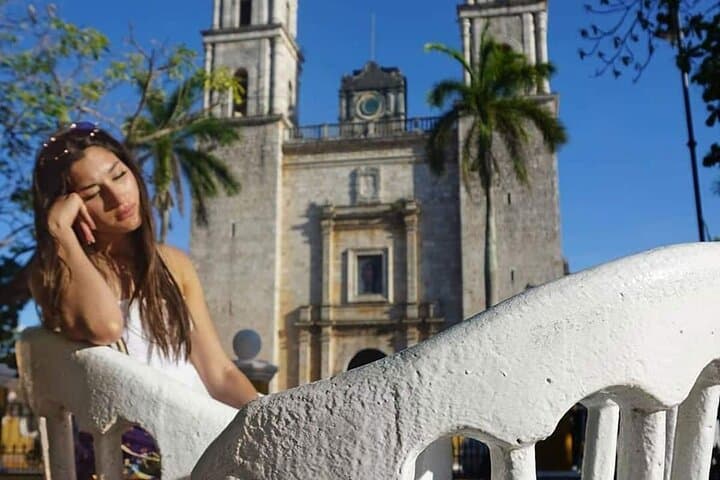
Chichén Itzá was a major Maya center (classic-to-postclassic period) where priests, astronomers, and stonecutters etched calendars into architecture. The site’s limestone bedrock and cenote systems speak to karst geology: sinkholes and underground rivers sculpted by rain and millennia of dissolution. Cultural layers arrive in the streets of Valladolid, a colonial town with a 16th-century church and lively market culture—local craft vendors, Yucatecan cuisine, and the soft cadence of Spanish and Mayan languages.
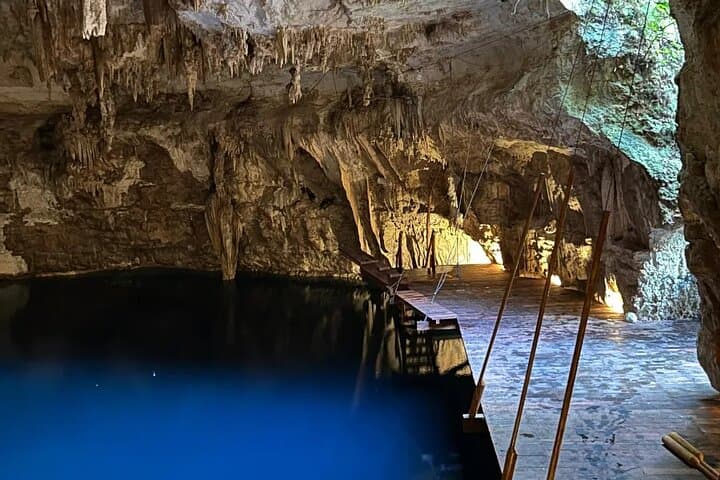
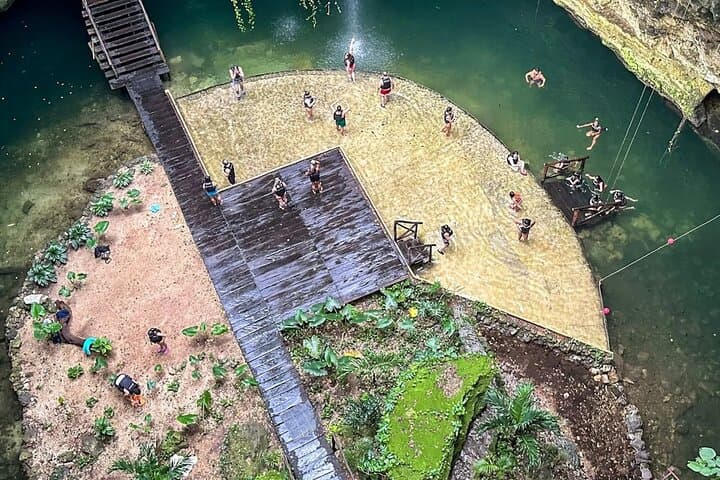
Midday brings a contrasting cool: a swim in Cenote Noolhá (or Cenote Chichikan), where sunlight sifts through foliage and the water seems to pull you inward. Life jackets are required; the guides will point out stalactites and small fish that inspect your toes.
Practical edge: the tour is long (about 13 hours roundtrip from Playa del Carmen) with periods of walking on uneven ground and limited shade; bring a refillable water bottle, biodegradable sunscreen, and comfortable walking shoes. Cash is useful for the mandatory preservation tax and small purchases in Valladolid. Expect guide-led interpretation at Chichén Itzá followed by free time to explore, then a supervised cenote swim and a brief stroll through Valladolid before the return drive.
moderate.
12–13 hours.
Suitable for people in average physical condition who can handle several hours of walking and a long day on the road.
The tour includes guided access and some admissions, but a USD 17 preservation tax is not included and must be paid on site.
Photography is allowed at Chichén Itzá for personal use; drone use is restricted. At cenotes avoid flash and be mindful of wet, slippery surfaces.
Infants are allowed but must sit on an adult’s lap; the itinerary includes walking and a long day, so consider stamina and safety for young children.
Yes—life jackets are mandatory at the cenote and will be provided by the operators.
Chichén Itzá rose to prominence between the 7th and 10th centuries CE; the Kukulkan Pyramid encodes astronomical cycles and was a ceremonial center for the Maya.
Visitors pay a preservation tax to support site maintenance; avoid touching masonry, stay on marked paths, and use biodegradable products to protect cenote water quality.
Joy Travel Rewards operates guided outdoor trips and adventures with an emphasis on safety, stewardship, and memorable experiences.
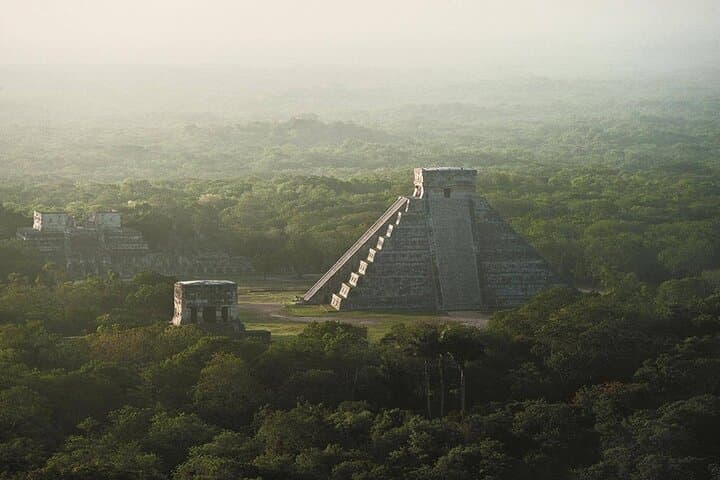
You step from the air-conditioned van into a sun-baked clearing and the Kukulkan Pyramid rises ahead, its stone edges cutting a clean geometry against the sky. Voices fall quiet as the guide sketches the astronomical alignments, then the plaza opens — broad, dusty, and full of weathered stories.
You step from the air-conditioned van into a sun-baked clearing and the Kukulkan Pyramid rises ahead, its stone edges cutting a clean geometry against the sky. Voices fall quiet as the guide sketches the astronomical alignments, then the plaza opens — broad, dusty, and full of weathered stories.
Chichén Itzá was a major Maya center (classic-to-postclassic period) where priests, astronomers, and stonecutters etched calendars into architecture. The site’s limestone bedrock and cenote systems speak to karst geology: sinkholes and underground rivers sculpted by rain and millennia of dissolution. Cultural layers arrive in the streets of Valladolid, a colonial town with a 16th-century church and lively market culture—local craft vendors, Yucatecan cuisine, and the soft cadence of Spanish and Mayan languages.
Midday brings a contrasting cool: a swim in Cenote Noolhá (or Cenote Chichikan), where sunlight sifts through foliage and the water seems to pull you inward. Life jackets are required; the guides will point out stalactites and small fish that inspect your toes.
Practical edge: the tour is long (about 13 hours roundtrip from Playa del Carmen) with periods of walking on uneven ground and limited shade; bring a refillable water bottle, biodegradable sunscreen, and comfortable walking shoes. Cash is useful for the mandatory preservation tax and small purchases in Valladolid. Expect guide-led interpretation at Chichén Itzá followed by free time to explore, then a supervised cenote swim and a brief stroll through Valladolid before the return drive.