THE ADVENTURE COLLECTIVE® · Independent discovery and booking for outdoor travel

A single day that moves from the astronomical precision of El Castillo to the cool, green silence of Cenote Chichikán and the colonial charm of Valladolid. This guided tour from Tulum pairs history, geology, and local culture with practical logistics for a long but manageable day trip.
A single day that moves from the astronomical precision of El Castillo to the cool, green silence of Cenote Chichikán and the colonial charm of Valladolid. This guided tour from Tulum pairs history, geology, and local culture with practical logistics for a long but manageable day trip.
You step off an air-conditioned minibus into the morning heat and the shadow of El Castillo rises before you—precise angles cutting clean lines against a pale Yucatán sky. The plaza hums with multilingual guides and slow-footed visitors; the pyramid seems to hold its breath, a measured record of centuries of stargazing and ritual.
Verified experiences and guided adventures in the surrounding area.
Operated by Mayan Ruins Adventure¡ · Piste, Yucatán
You step off an air-conditioned minibus into the morning heat and the shadow of El Castillo rises before you—precise angles cutting clean lines against a pale Yucatán sky. The plaza hums with multilingual guides and slow-footed visitors; the pyramid seems to hold its breath, a measured record of centuries of stargazing and ritual.
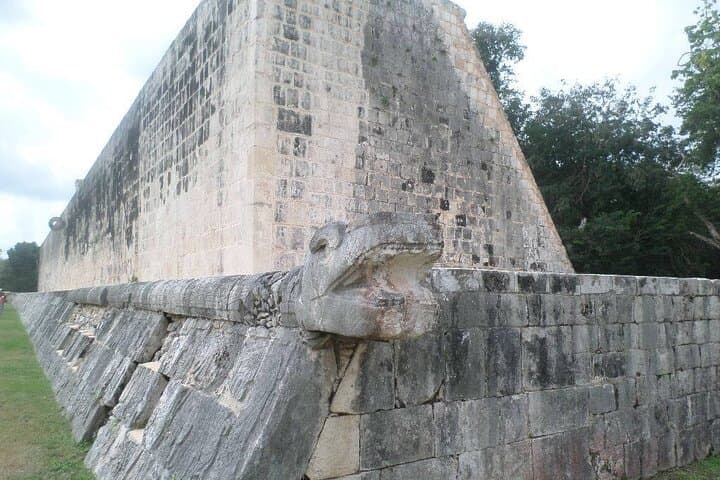
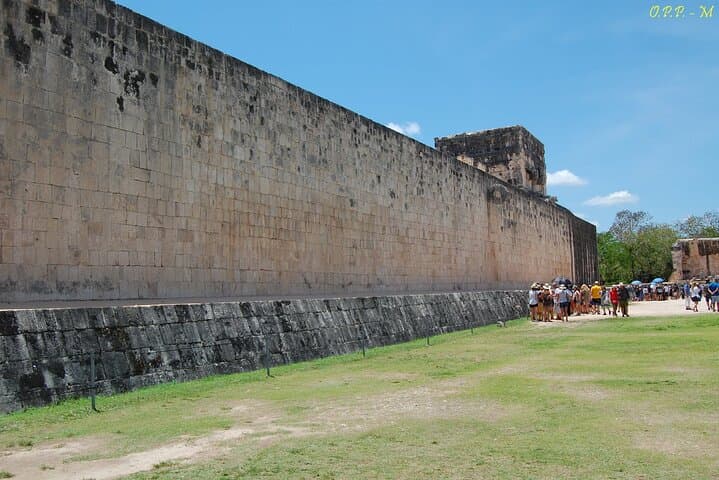
This full-day loop pairs the archaeological grandeur of Chichén Itzá with a swim in Cenote Chichikán and a brief stroll through colonial Valladolid. Chichén Itzá showcases Maya engineering: the Kukulkán pyramid aligned to solar cycles, the Great Ball Court where sport met sacred law, and El Caracol, a rounded observatory whose windows tracked Venus and solstices. Geologically the region is low, karst limestone sliced by underground rivers; cenotes like Chichikán are collapsed caves with dramatic 24‑meter walls and clear, deep water—once seen as portals to the Maya underworld.
Culturally, the day moves from pre-Hispanic ceremony to Spanish colonial streets—Calzada de los Frailes and the Church of San Servacio—where local flavors and handicrafts remain rooted in Maya traditions.
Practical notes: expect a long day (about 11–12 hours), bring cash for the mandatory preservation tax (~USD 22) and optional life vest rentals, and come prepared for sun, insects, and uneven walking surfaces. Timing matters: arrive at Chichén Itzá earlier in the morning to avoid the peak heat and the largest crowds; save your swim for the cooler parts of the day. Comfortable walking shoes, a swimsuit, water, sun protection, and respect for local customs will make the day informative, refreshing, and responsibly memorable.
easy.
11–12 hours.
Suitable for travelers in average physical condition; requires standing, walking on uneven ground, and one swim option.
Yes—the guided visit to Chichén Itzá is included as part of the tour admission.
Swimming at Cenote Chichikán is optional and included when access is available; life vests may cost approximately USD 5 and are sometimes required.
The tour runs about 11–12 hours with scheduled stops: roughly two hours at Chichén Itzá, two hours at the cenote, and time in Valladolid plus transport and meal breaks.
Children under 2 are free but must be added in special requirements; infants must sit on an adult’s lap during transport.
Chichén Itzá rose as a major Maya and then regional trade center between the 7th and 10th centuries CE; its monuments encode astronomical knowledge and ritual practice.
Cenotes are fragile aquifers—avoid using sunscreens in the water when possible and follow local rules to protect water quality; the preservation tax supports site upkeep.
Mayan Ruins Adventure¡ operates guided outdoor trips and adventures with an emphasis on safety, stewardship, and memorable experiences.
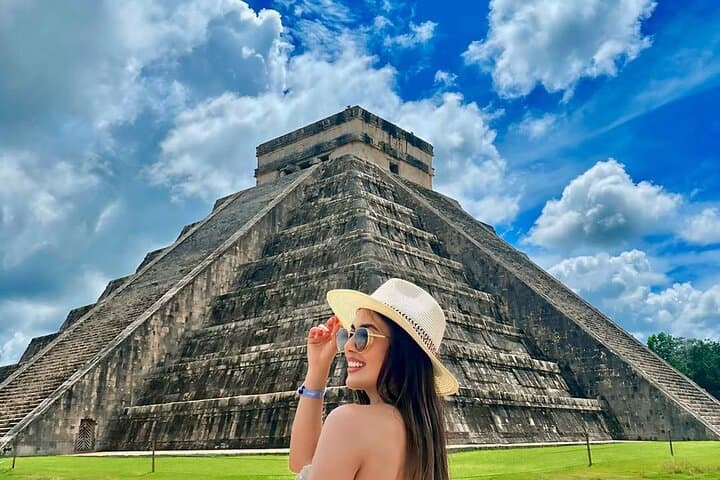
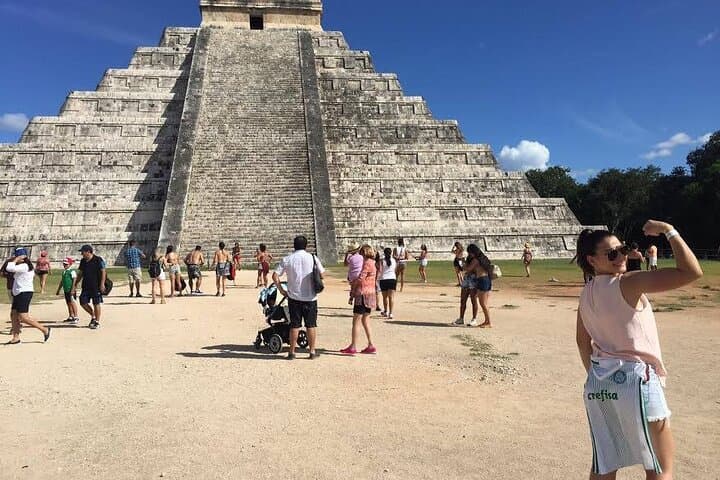
You step off an air-conditioned minibus into the morning heat and the shadow of El Castillo rises before you—precise angles cutting clean lines against a pale Yucatán sky. The plaza hums with multilingual guides and slow-footed visitors; the pyramid seems to hold its breath, a measured record of centuries of stargazing and ritual.
You step off an air-conditioned minibus into the morning heat and the shadow of El Castillo rises before you—precise angles cutting clean lines against a pale Yucatán sky. The plaza hums with multilingual guides and slow-footed visitors; the pyramid seems to hold its breath, a measured record of centuries of stargazing and ritual.
This full-day loop pairs the archaeological grandeur of Chichén Itzá with a swim in Cenote Chichikán and a brief stroll through colonial Valladolid. Chichén Itzá showcases Maya engineering: the Kukulkán pyramid aligned to solar cycles, the Great Ball Court where sport met sacred law, and El Caracol, a rounded observatory whose windows tracked Venus and solstices. Geologically the region is low, karst limestone sliced by underground rivers; cenotes like Chichikán are collapsed caves with dramatic 24‑meter walls and clear, deep water—once seen as portals to the Maya underworld.
Culturally, the day moves from pre-Hispanic ceremony to Spanish colonial streets—Calzada de los Frailes and the Church of San Servacio—where local flavors and handicrafts remain rooted in Maya traditions.
Practical notes: expect a long day (about 11–12 hours), bring cash for the mandatory preservation tax (~USD 22) and optional life vest rentals, and come prepared for sun, insects, and uneven walking surfaces. Timing matters: arrive at Chichén Itzá earlier in the morning to avoid the peak heat and the largest crowds; save your swim for the cooler parts of the day. Comfortable walking shoes, a swimsuit, water, sun protection, and respect for local customs will make the day informative, refreshing, and responsibly memorable.