THE ADVENTURE COLLECTIVE® · Independent discovery and booking for outdoor travel

Experience the highlights of the Yucatán in one long, satisfying day: the ruins of Chichén Itzá, a swim in a dramatic cenote, and free time in colonial Valladolid. Expect a mix of walking, swimming, and road time with practical tips for a comfortable trip.
Experience the highlights of the Yucatán in one long, satisfying day: the ruins of Chichén Itzá, a swim in a dramatic cenote, and free time in colonial Valladolid. Expect a mix of walking, swimming, and road time with practical tips for a comfortable trip.
You step off the highway into a wide, low landscape where the limestone plain gives way to a horizon punctuated by stone temples. The Pyramid of Kukulkan rises like a geometric sunrise over packed-earth plazas; wind moves through the colonnades and carries the faint scent of cooking from the roadside villages.
Verified experiences and guided adventures in the surrounding area.
Operated by Promo vacations Tours · Pisté, Yucatán
You step off the highway into a wide, low landscape where the limestone plain gives way to a horizon punctuated by stone temples. The Pyramid of Kukulkan rises like a geometric sunrise over packed-earth plazas; wind moves through the colonnades and carries the faint scent of cooking from the roadside villages.
Chichén Itzá was a major Classic-to-Postclassic Maya center whose architecture records astronomy, ritual, and regional power—Kukulcán’s steps align with equinox shadows, the Great Ball Court echoes with the scale of ancient games, and the Temple of Warriors shows layered influences from the broader Mesoamerican world. Beneath the surface, the Yucatán’s karst geology creates cenotes—collapsed cave systems where groundwater pools clear and cool. Cenote Chichikán (or, depending on logistics, nearby Nool Há) offers a refreshing counterpoint: sunlight slices the water, bats and swallows wheel in the cavity above, and the pool dares you to jump in.
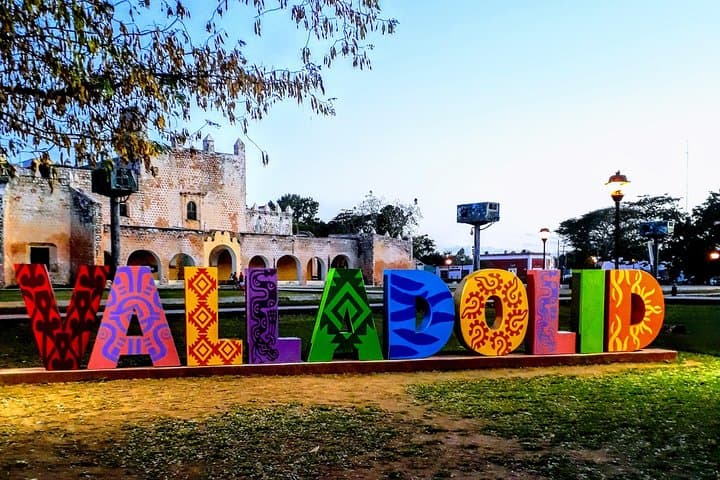
A stop in Valladolid adds a colonial chapter: painted facades, the baroque Church of San Servacio, and craft stalls for embroidered textiles and honey. Practical notes: expect a long day on the road (10–14 hours), bring a swimsuit and towel, carry cash for souvenirs, and pack sun protection. Wear comfortable walking shoes—the archaeological zone has uneven stone and many steps—and be prepared to follow guide directions at cenotes to protect fragile ecosystems. With planning, this mixed itinerary—archaeology, geology, and town life—delivers a compact, fully realized slice of the Yucatán.
easy.
10–14 hours.
Suitable for travelers in general good health who can stand and walk on uneven surfaces for several hours; minimal exertion beyond walking.
Yes—this tour includes admission to Chichén Itzá and the selected cenote listed in the itinerary.
Travel time is typically about 2–2.5 hours each way depending on traffic, making this a full-day (often 10–14 hour) excursion.
The tour includes access to a single cenote; depending on availability you may visit Cenote Chichikán or Cenote Nool Há—operators decide the final stop the day of the tour.
The coach has one onboard bathroom available; guides also plan stops with public restrooms at scheduled locations.
Chichén Itzá was a major Maya city where architecture encodes astronomical cycles and regional trade; nearby Valladolid was a Spanish colonial settlement that became a local market hub.
Cenotes are fragile freshwater ecosystems—avoid sunscreen and soaps before entering, use biodegradable products, and follow guide rules to minimize impact.
Promo vacations Tours operates guided outdoor trips and adventures with an emphasis on safety, stewardship, and memorable experiences.


You step off the highway into a wide, low landscape where the limestone plain gives way to a horizon punctuated by stone temples. The Pyramid of Kukulkan rises like a geometric sunrise over packed-earth plazas; wind moves through the colonnades and carries the faint scent of cooking from the roadside villages.
You step off the highway into a wide, low landscape where the limestone plain gives way to a horizon punctuated by stone temples. The Pyramid of Kukulkan rises like a geometric sunrise over packed-earth plazas; wind moves through the colonnades and carries the faint scent of cooking from the roadside villages.
Chichén Itzá was a major Classic-to-Postclassic Maya center whose architecture records astronomy, ritual, and regional power—Kukulcán’s steps align with equinox shadows, the Great Ball Court echoes with the scale of ancient games, and the Temple of Warriors shows layered influences from the broader Mesoamerican world. Beneath the surface, the Yucatán’s karst geology creates cenotes—collapsed cave systems where groundwater pools clear and cool. Cenote Chichikán (or, depending on logistics, nearby Nool Há) offers a refreshing counterpoint: sunlight slices the water, bats and swallows wheel in the cavity above, and the pool dares you to jump in.
A stop in Valladolid adds a colonial chapter: painted facades, the baroque Church of San Servacio, and craft stalls for embroidered textiles and honey. Practical notes: expect a long day on the road (10–14 hours), bring a swimsuit and towel, carry cash for souvenirs, and pack sun protection. Wear comfortable walking shoes—the archaeological zone has uneven stone and many steps—and be prepared to follow guide directions at cenotes to protect fragile ecosystems. With planning, this mixed itinerary—archaeology, geology, and town life—delivers a compact, fully realized slice of the Yucatán.