THE ADVENTURE COLLECTIVE® · Independent discovery and booking for outdoor travel

Spend a full day tracing Mayan astronomy at Chichén Itzá, cooling off in Cenote Chichikán, and wandering colonial Valladolid. This guided trip blends archaeology, geology and local food into a single long day from Cancún.
Spend a full day tracing Mayan astronomy at Chichén Itzá, cooling off in Cenote Chichikán, and wandering colonial Valladolid. This guided trip blends archaeology, geology and local food into a single long day from Cancún.
You step off the air-conditioned van into a wind that carries dust and the faint scent of dry scrub. The stone of the Pyramid of Kukulcán holds heat from the day as guides speak of astronomers who turned light and shadow into a calendar.
Verified experiences and guided adventures in the surrounding area.
Operated by Exclusive Agency Tours · Cancún, Quintana Roo
You step off the air-conditioned van into a wind that carries dust and the faint scent of dry scrub. The stone of the Pyramid of Kukulcán holds heat from the day as guides speak of astronomers who turned light and shadow into a calendar.
Chichén Itzá is a chapter of the Yucatán written in limestone and human ingenuity—platforms, ball courts, and columns carved with scenes of ritual and trade. The site sits on porous karst that created the cenotes which sustained Maya cities; those sinkholes are both geological features and cultural reliquaries. Later, Spanish colonial town planning shaped Valladolid’s grid and its baroque church façades, offering a contrast to pre-Columbian geometry.
After the archaeological visit the trip moves into cool water: Cenote Chichikán’s vertical walls and filtered sunlight make the limestone pool feel deliberate, as if the earth itself invites you to pause. Local cooks bring a buffet of cochinita pibil, fresh salsas and stewed chicken—simple food that maps to place.
Practical note: this is a long day—expect 11–12 hours, some walking over uneven stone, and warm sun. Bring biodegradable sunscreen, swimwear, a towel and cash for small-market purchases. Arrive hydrated, wear sturdy shoes for the site and sandals for the cenote. If you prefer quieter photography, request to linger after the group tour at the pyramids’ edge; mornings and late afternoons shift the light and the crowds.
moderate.
11–12 hours.
Good endurance for a long day of walking and occasional stairs; suitable for most active travelers.
The tour includes entry to the cenote and the regional buffet lunch; some archaeological site fees are covered as part of the package—confirm specifics with your operator.
Yes—swimming is part of the itinerary when the cenote is available; life jackets are typically provided and are recommended if you’re not a strong swimmer.
Pickups are normally from Cancún hotels or a central meeting point; expect an 11–12 hour day including travel time.
The tour is family-friendly for most ages but is not recommended for pregnant travelers or those with serious spinal or heart conditions—check health advisories before booking.
Chichén Itzá rose to prominence in the Terminal Classic period; Kukulcán’s pyramid aligns with solar events that mark seasons and demonstrate Mayan astronomical knowledge.
Use biodegradable products and avoid touching carvings or climbing structures; support registered local vendors and follow park rules to protect fragile cenote and archaeological environments.
Exclusive Agency Tours operates guided outdoor trips and adventures with an emphasis on safety, stewardship, and memorable experiences.


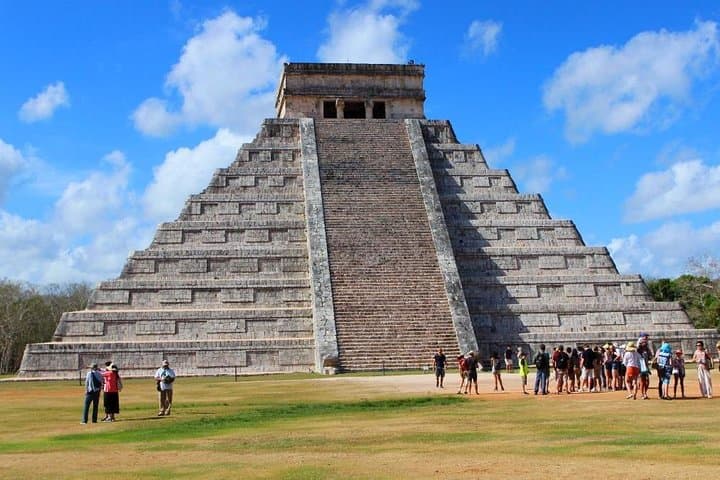
You step off the air-conditioned van into a wind that carries dust and the faint scent of dry scrub. The stone of the Pyramid of Kukulcán holds heat from the day as guides speak of astronomers who turned light and shadow into a calendar.
You step off the air-conditioned van into a wind that carries dust and the faint scent of dry scrub. The stone of the Pyramid of Kukulcán holds heat from the day as guides speak of astronomers who turned light and shadow into a calendar.
Chichén Itzá is a chapter of the Yucatán written in limestone and human ingenuity—platforms, ball courts, and columns carved with scenes of ritual and trade. The site sits on porous karst that created the cenotes which sustained Maya cities; those sinkholes are both geological features and cultural reliquaries. Later, Spanish colonial town planning shaped Valladolid’s grid and its baroque church façades, offering a contrast to pre-Columbian geometry.
After the archaeological visit the trip moves into cool water: Cenote Chichikán’s vertical walls and filtered sunlight make the limestone pool feel deliberate, as if the earth itself invites you to pause. Local cooks bring a buffet of cochinita pibil, fresh salsas and stewed chicken—simple food that maps to place.
Practical note: this is a long day—expect 11–12 hours, some walking over uneven stone, and warm sun. Bring biodegradable sunscreen, swimwear, a towel and cash for small-market purchases. Arrive hydrated, wear sturdy shoes for the site and sandals for the cenote. If you prefer quieter photography, request to linger after the group tour at the pyramids’ edge; mornings and late afternoons shift the light and the crowds.