THE ADVENTURE COLLECTIVE® · Independent discovery and booking for outdoor travel

A full-day excursion from Tulum that pairs the monumental ruins of Chichén Itzá with a refreshing swim in a limestone cenote and a stroll through colonial Valladolid. Expect an early departure, a long but manageable day, and a close-up look at Mayan history and Yucatán culture.
A full-day excursion from Tulum that pairs the monumental ruins of Chichén Itzá with a refreshing swim in a limestone cenote and a stroll through colonial Valladolid. Expect an early departure, a long but manageable day, and a close-up look at Mayan history and Yucatán culture.
You step off the air-conditioned van into a bright, dry plain where heat shimmers off low scrub and the Kukulkán pyramid rises like a deliberate machine cut from stone. Voices and the crunch of gravel replace the highway hum; the plaza opens up and the pyramid commands the center of an archaeological stage.
Verified experiences and guided adventures in the surrounding area.
Operated by Pata de peek travel · Pisté, Yucatán
You step off the air-conditioned van into a bright, dry plain where heat shimmers off low scrub and the Kukulkán pyramid rises like a deliberate machine cut from stone. Voices and the crunch of gravel replace the highway hum; the plaza opens up and the pyramid commands the center of an archaeological stage.
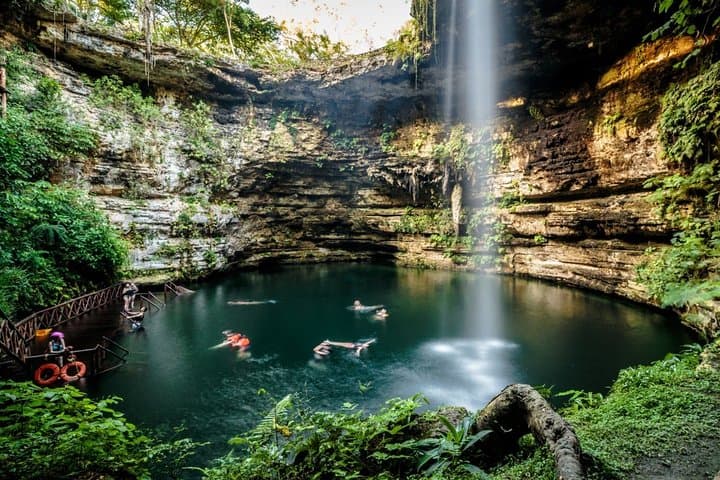
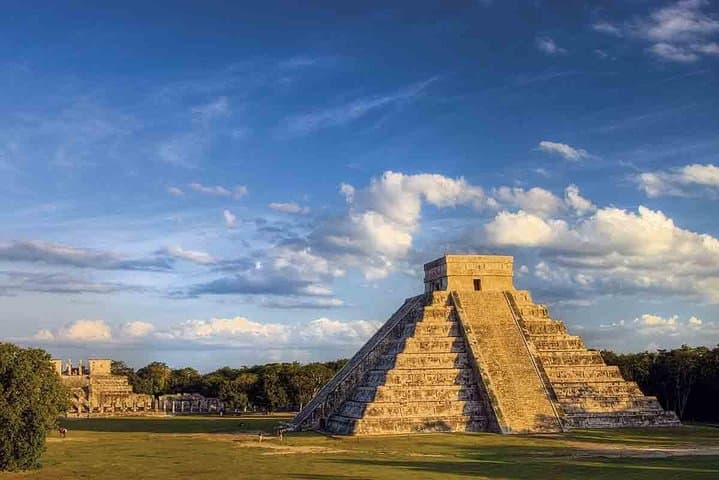
Chichén Itzá was a major Maya city from the Early Classic through Terminal Classic periods; here architecture, astronomy and ritual intersect. The Kukulkán pyramid aligns with equinox light, the Ball Court walls still wear carved players, and the Sacred Cenote hints at water’s role in ritual. The cenote you visit next—Chichikán or occasionally Nool Há—is a collapsed limestone chamber where groundwater gathers, sunlight slants through the opening and the water dares you to cool off.
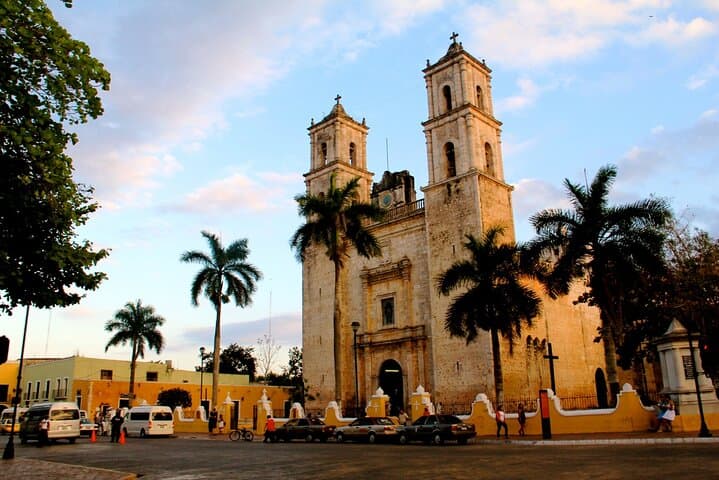
Valladolid closes the loop: a colonial grid of thick-walled churches and painted façades where regional Yucatecan dishes and craft stalls provide a slow, colorful interlude. Local guides point out preservation rules and the small fees that fund conservation, and they’ll remind you that life jackets are mandatory at cenotes for safety on slippery stone.
Practical guide: this is an 11–12 hour shared tour with two guided site blocks and free time. Wear sturdy walking shoes for uneven ruins, bring a swimsuit and quick-dry towel, biodegradable sunscreen and insect repellent, and a small amount of cash for the preservation tax and souvenirs. Expect sun, some stairs and steady walking on compacted earth.
Timing matters: arrive hydrated and pace yourself—midday light is harsh at the pyramid; early or late visits yield better photos and cooler swims. Respect signage, follow your guide, and treat both ruins and cenotes as fragile places worth protecting.
moderate.
11–12 hours.
Light-to-moderate fitness: able to handle several hours on foot, some stairs, and a long day on the road.
The tour lasts about 11–12 hours with a morning departure from Tulum (pick-up times provided at booking); expect to return in the evening.
Yes—swimming is allowed, but life jackets are mandatory and may be available to rent if you don’t bring one.
Entrance fees to Chichén Itzá and the cenote stated in the itinerary are included; confirm specifics at booking as policies can change.
No—the tour includes access to only one cenote on the day; which one depends on logistics and site availability.
Chichén Itzá was a key regional center where Maya architectural styles and central Mexican influences merged; the Sacred Cenote was used for offerings and water rituals.
Preservation fees support site upkeep; visitors should use biodegradable products, avoid touching carvings, and follow guide instructions to minimize impact.
Pata de peek travel operates guided outdoor trips and adventures with an emphasis on safety, stewardship, and memorable experiences.
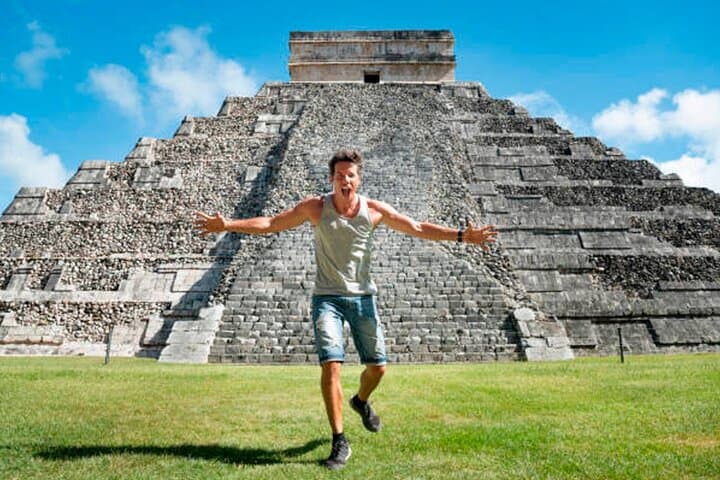
You step off the air-conditioned van into a bright, dry plain where heat shimmers off low scrub and the Kukulkán pyramid rises like a deliberate machine cut from stone. Voices and the crunch of gravel replace the highway hum; the plaza opens up and the pyramid commands the center of an archaeological stage.
You step off the air-conditioned van into a bright, dry plain where heat shimmers off low scrub and the Kukulkán pyramid rises like a deliberate machine cut from stone. Voices and the crunch of gravel replace the highway hum; the plaza opens up and the pyramid commands the center of an archaeological stage.
Chichén Itzá was a major Maya city from the Early Classic through Terminal Classic periods; here architecture, astronomy and ritual intersect. The Kukulkán pyramid aligns with equinox light, the Ball Court walls still wear carved players, and the Sacred Cenote hints at water’s role in ritual. The cenote you visit next—Chichikán or occasionally Nool Há—is a collapsed limestone chamber where groundwater gathers, sunlight slants through the opening and the water dares you to cool off.
Valladolid closes the loop: a colonial grid of thick-walled churches and painted façades where regional Yucatecan dishes and craft stalls provide a slow, colorful interlude. Local guides point out preservation rules and the small fees that fund conservation, and they’ll remind you that life jackets are mandatory at cenotes for safety on slippery stone.
Practical guide: this is an 11–12 hour shared tour with two guided site blocks and free time. Wear sturdy walking shoes for uneven ruins, bring a swimsuit and quick-dry towel, biodegradable sunscreen and insect repellent, and a small amount of cash for the preservation tax and souvenirs. Expect sun, some stairs and steady walking on compacted earth.
Timing matters: arrive hydrated and pace yourself—midday light is harsh at the pyramid; early or late visits yield better photos and cooler swims. Respect signage, follow your guide, and treat both ruins and cenotes as fragile places worth protecting.