THE ADVENTURE COLLECTIVE® · Independent discovery and booking for outdoor travel

Walk among the astronomically precise stones of Chichén Itzá, then cool off in the cavernous turquoise of Cenote Chichikán before a stroll through colonial Valladolid. This full-day from Tulum mixes archaeology, freshwater swimming, and Yucatán flavors.
Walk among the astronomically precise stones of Chichén Itzá, then cool off in the cavernous turquoise of Cenote Chichikán before a stroll through colonial Valladolid. This full-day from Tulum mixes archaeology, freshwater swimming, and Yucatán flavors.
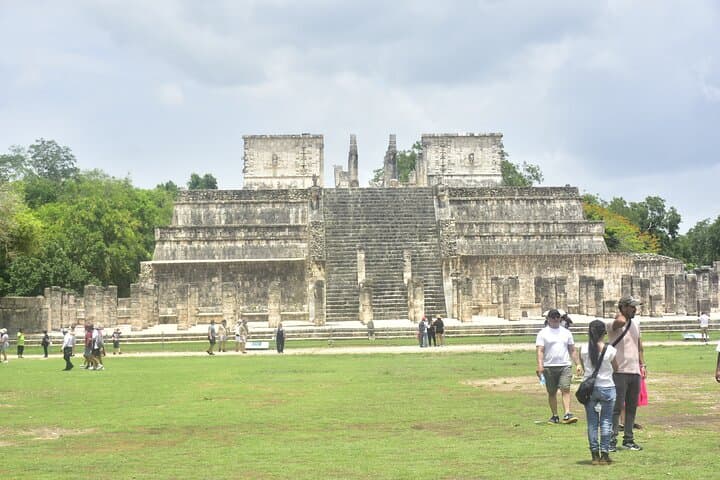
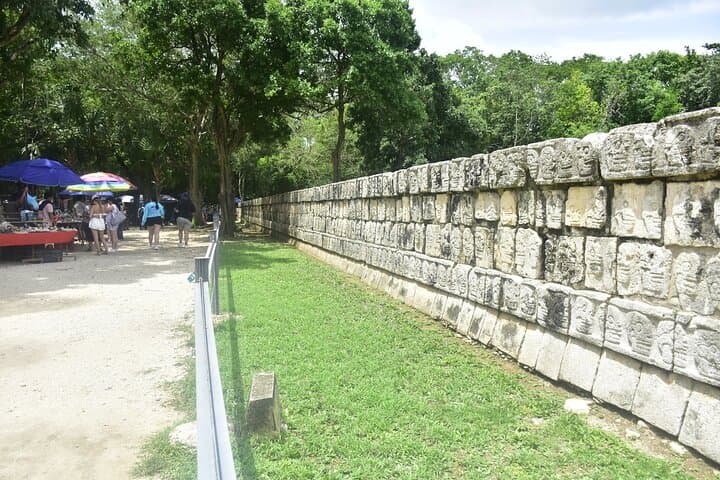
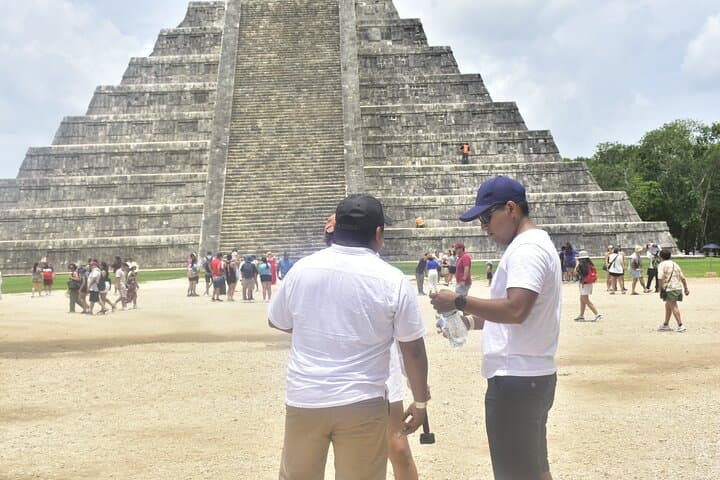
A dry wind pushes up from the coastal plain as the bus eases onto the highway and the silhouette of the Pyramid of Kukulcán slowly resolves on the horizon. By midmorning you stand on limestone packed by centuries of footsteps, fingers tracing barked carvings while the plaza opens like a stage — stonework calibrated to sun and season. Later, the cool dark of Cenote Chichikán welcomes you: a turquoise well sunk into the earth, sunlight threading down through the rim to set the water alive.
Verified experiences and guided adventures in the surrounding area.
Operated by Caribe Páradise Tours · Chichén Itzá, Yucatán
A dry wind pushes up from the coastal plain as the bus eases onto the highway and the silhouette of the Pyramid of Kukulcán slowly resolves on the horizon. By midmorning you stand on limestone packed by centuries of footsteps, fingers tracing barked carvings while the plaza opens like a stage — stonework calibrated to sun and season. Later, the cool dark of Cenote Chichikán welcomes you: a turquoise well sunk into the earth, sunlight threading down through the rim to set the water alive.
This corner of the Yucatán is geologically flat karst — porous limestone carved by groundwater into caverns and cenotes — and historically one of the great urban centers of the Classic and Postclassic Maya (circa AD 600–900). Valladolid adds a colonial layer: pastel facades, the 16th-century San Gervasio (San Servacio) church and a market selling regional cochinita pibil and hammocks. Expect a full day: most departures from Tulum cover roughly 120 km each way, with total tour time around 11–12 hours. Elevation change is negligible; navigation is mostly walking on packed earth and stone paths.
Practical edge: carry cash for the preservation fee (USD), hydrate constantly, and bring swimwear and quick-dry clothing. Wear closed-toe shoes for the archaeological zone and sandals for the cenote. Time your visit early in the tour to avoid peak heat and crowds at the pyramid. Respect roped-off zones, follow your bilingual guide, and keep electronics dry at the cenote — the water and light are part of the attraction, but so is protecting it for the next traveler.
moderate.
11–12 hours.
Suitable for travelers in average physical condition who can handle several hours of walking and stairs; minimal elevation change but long day.
The tour usually requires a preservation tax (not always included in the base price); be prepared to pay about US$22 per adult in cash at the site.
The tour includes access to one cenote; logistics determine whether you visit Cenote Chichikán or occasionally Cenote Nool Há—specific cenote cannot be guaranteed in advance.
Yes—hotel pick-up and drop-off from Tulum is typically included; pickup logistics are set the evening before and cannot be changed after 6 PM due to routing.
The bus has one permitted restroom onboard and will also stop at sites for bathroom breaks; use of the second onboard bathroom is restricted by operator rules.
Chichén Itzá flourished between the Classic and Postclassic periods; its major structures reflect Mayan astronomy, trade networks, and ritual practice tied to cenotes as water sources and sacred sites.
Visitor fees help fund preservation; follow designated paths, avoid touching carvings, and don’t use sunscreen in the cenote water unless a rinse station is available to reduce chemical impact.
Caribe Páradise Tours operates guided outdoor trips and adventures with an emphasis on safety, stewardship, and memorable experiences.

A dry wind pushes up from the coastal plain as the bus eases onto the highway and the silhouette of the Pyramid of Kukulcán slowly resolves on the horizon. By midmorning you stand on limestone packed by centuries of footsteps, fingers tracing barked carvings while the plaza opens like a stage — stonework calibrated to sun and season. Later, the cool dark of Cenote Chichikán welcomes you: a turquoise well sunk into the earth, sunlight threading down through the rim to set the water alive.
A dry wind pushes up from the coastal plain as the bus eases onto the highway and the silhouette of the Pyramid of Kukulcán slowly resolves on the horizon. By midmorning you stand on limestone packed by centuries of footsteps, fingers tracing barked carvings while the plaza opens like a stage — stonework calibrated to sun and season. Later, the cool dark of Cenote Chichikán welcomes you: a turquoise well sunk into the earth, sunlight threading down through the rim to set the water alive.
This corner of the Yucatán is geologically flat karst — porous limestone carved by groundwater into caverns and cenotes — and historically one of the great urban centers of the Classic and Postclassic Maya (circa AD 600–900). Valladolid adds a colonial layer: pastel facades, the 16th-century San Gervasio (San Servacio) church and a market selling regional cochinita pibil and hammocks. Expect a full day: most departures from Tulum cover roughly 120 km each way, with total tour time around 11–12 hours. Elevation change is negligible; navigation is mostly walking on packed earth and stone paths.
Practical edge: carry cash for the preservation fee (USD), hydrate constantly, and bring swimwear and quick-dry clothing. Wear closed-toe shoes for the archaeological zone and sandals for the cenote. Time your visit early in the tour to avoid peak heat and crowds at the pyramid. Respect roped-off zones, follow your bilingual guide, and keep electronics dry at the cenote — the water and light are part of the attraction, but so is protecting it for the next traveler.