THE ADVENTURE COLLECTIVE® · Independent discovery and booking for outdoor travel

Walk the Main Esplanade of Chichen Itza, swim in two dramatic cenotes and spend time in colonial Valladolid on this full-day guided tour. Expect long days, significant walking on stone and a mix of archaeology and freshwater cave swimming.
Walk the Main Esplanade of Chichen Itza, swim in two dramatic cenotes and spend time in colonial Valladolid on this full-day guided tour. Expect long days, significant walking on stone and a mix of archaeology and freshwater cave swimming.
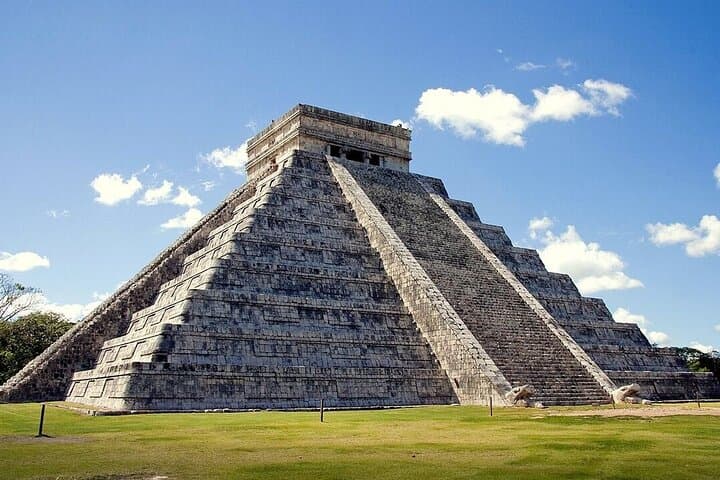
You arrive before noon as sunlight slices through the open plaza at Chichen Itza, dust lifting in thin ribbons while the Pyramid of Kukulcán keeps its slow, geometric watch. Guides move groups across the Main Esplanade; wind carries the distant sound of water from sinkholes carved into limestone millennia ago.
Verified experiences and guided adventures in the surrounding area.
Operated by Open Vacations · Valladolid, Yucatán
You arrive before noon as sunlight slices through the open plaza at Chichen Itza, dust lifting in thin ribbons while the Pyramid of Kukulcán keeps its slow, geometric watch. Guides move groups across the Main Esplanade; wind carries the distant sound of water from sinkholes carved into limestone millennia ago.
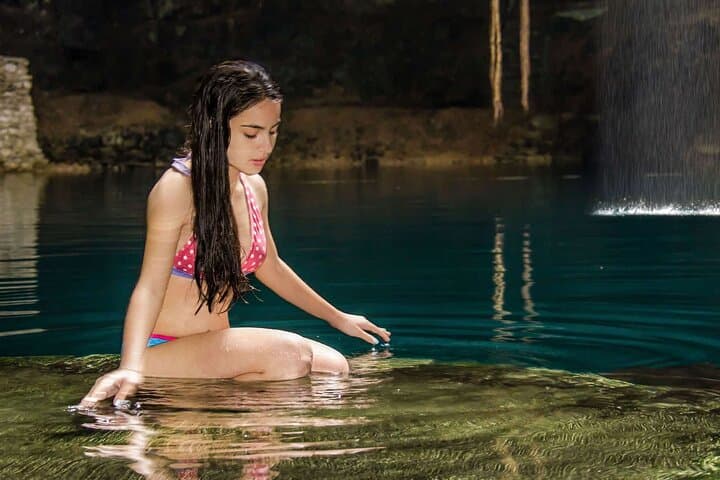
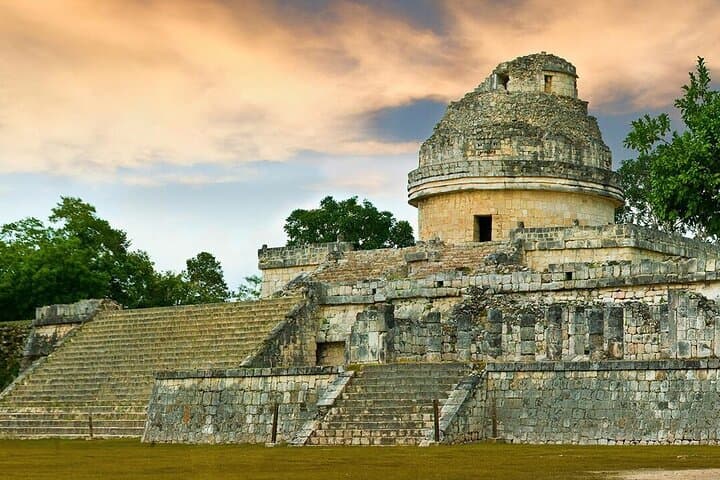
Chichen Itza was a political and ceremonial hub of the Maya world; the site's architecture reflects astronomy, ritual and engineering—stone aligning with equinoxes, ball courts that still echo with the weight of ritual sport. The cenotes you visit (Ik Kil and Hubiku) are part of a porous limestone karst: collapsed caverns that expose the aquifer, once considered sacred portals to the underworld and still fed by groundwater that filters through the Yucatán’s porous bedrock.
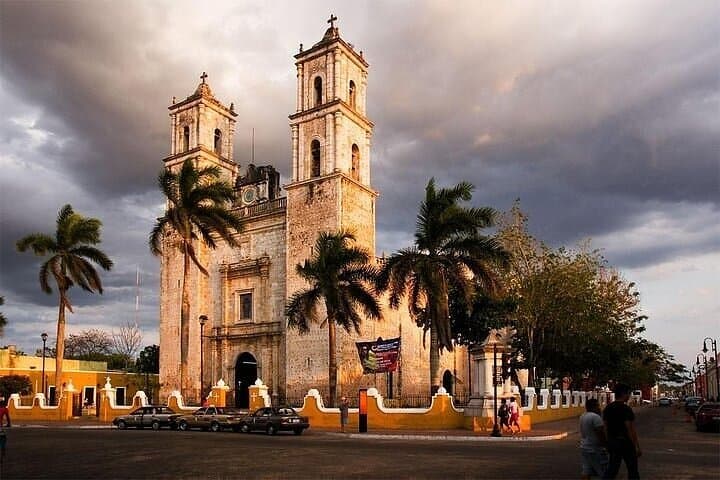
Valladolid adds a colonial counterpoint: a grid of shaded streets, a 16th-century church and local markets where spice, citrus and handmade hammocks define the town’s rhythm.
Practical guidance: this is a long, full-day excursion—expect 10–12 hours total with bus transfers. Bring swimwear, biodegradable sunscreen and cash for the preservation tax at Chichen Itza. Footwear should handle packed dirt and stone steps; stairs at the site are steep and ungated. Hydrate early and often; cenote water is cool and refreshing but can be deceptively cold after sun exposure. If you want photos free of crowds, request the earliest pick-up available. Respect signage: swimming rules protect fragile cave ecosystems and archaeological areas.
moderate.
10–12 hours.
Light-to-moderate fitness; comfortable with several hours of walking, standing, and climbing uneven stone steps.
No—there is a preservation tax charged at the site (amounts vary by age); bring cash as card payment is not guaranteed.
Yes—Ik Kil and Hubiku permit swimming; life jackets are typically available and follow attendant instructions for safety.
Expect several hours of walking on uneven stone and dirt plus stairs at Chichen Itza; the tour is suitable for most fitness levels but not recommended for those with serious back or heart issues.
Most public cenotes offer basic changing areas and small lockers for a fee, but facilities vary—travel light and bring waterproof bags for valuables.
Chichen Itza rose to prominence in the Late Classic and Terminal Classic Maya periods as a ceremonial and economic center; Valladolid was founded by the Spanish in the 16th century and became a regional trade town.
The Yucatán’s cenotes and aquifer are fragile—using biodegradable products, avoiding soaps in water, and paying preservation fees help fund protection and maintenance of these sites.
Open Vacations operates guided outdoor trips and adventures with an emphasis on safety, stewardship, and memorable experiences.
You arrive before noon as sunlight slices through the open plaza at Chichen Itza, dust lifting in thin ribbons while the Pyramid of Kukulcán keeps its slow, geometric watch. Guides move groups across the Main Esplanade; wind carries the distant sound of water from sinkholes carved into limestone millennia ago.
You arrive before noon as sunlight slices through the open plaza at Chichen Itza, dust lifting in thin ribbons while the Pyramid of Kukulcán keeps its slow, geometric watch. Guides move groups across the Main Esplanade; wind carries the distant sound of water from sinkholes carved into limestone millennia ago.
Chichen Itza was a political and ceremonial hub of the Maya world; the site's architecture reflects astronomy, ritual and engineering—stone aligning with equinoxes, ball courts that still echo with the weight of ritual sport. The cenotes you visit (Ik Kil and Hubiku) are part of a porous limestone karst: collapsed caverns that expose the aquifer, once considered sacred portals to the underworld and still fed by groundwater that filters through the Yucatán’s porous bedrock.
Valladolid adds a colonial counterpoint: a grid of shaded streets, a 16th-century church and local markets where spice, citrus and handmade hammocks define the town’s rhythm.
Practical guidance: this is a long, full-day excursion—expect 10–12 hours total with bus transfers. Bring swimwear, biodegradable sunscreen and cash for the preservation tax at Chichen Itza. Footwear should handle packed dirt and stone steps; stairs at the site are steep and ungated. Hydrate early and often; cenote water is cool and refreshing but can be deceptively cold after sun exposure. If you want photos free of crowds, request the earliest pick-up available. Respect signage: swimming rules protect fragile cave ecosystems and archaeological areas.