THE ADVENTURE COLLECTIVE® · Independent discovery and booking for outdoor travel

Visit Chichén Itzá and two striking cenotes on a full-day trip from Cancún that pairs monumental Mayan architecture with cavernous swimming holes. Expect guided history at the pyramid, cool grotto swims, and a taste of Valladolid.
Visit Chichén Itzá and two striking cenotes on a full-day trip from Cancún that pairs monumental Mayan architecture with cavernous swimming holes. Expect guided history at the pyramid, cool grotto swims, and a taste of Valladolid.
Stand at the plaza where Kukulcán casts a long, geometric shadow and feel the weight of centuries shift beneath your feet. The pyramid dominates the horizon, while nearby caverns and sinkholes keep their own secrets—pools of blue that seem to gather the sky.
Verified experiences and guided adventures in the surrounding area.
Operated by Pata de peek travel · Piste, Yucatán
Stand at the plaza where Kukulcán casts a long, geometric shadow and feel the weight of centuries shift beneath your feet. The pyramid dominates the horizon, while nearby caverns and sinkholes keep their own secrets—pools of blue that seem to gather the sky.
Chichén Itzá was a major Mayan center between the 7th and 10th centuries; its architecture encodes astronomy, ritual and civic power. The Sacred Cenote once received offerings to the gods, and the nearby cave-cenotes—Xkeken (Dzitnup) and Samula—are limestone collapse features carved by underground rivers that have shaped the Yucatán’s porous bedrock for millennia. Valladolid, a colonial town with a Spanish-era church and lively mercado, offers a contrasting human scale to the monumentality of the site.
Expect a day that alternates walking on packed-earth paths and stone plazas with cool swims in underground pools where light filters through roof openings and plants lean toward the water. Guides will cover Mayan history and local customs; eat a regional buffet to sample cochinita pibil and other Yucatecan staples.
Practical edge: the day is long—about 11–12 hours with bus transfers from Cancún—so bring biodegradable sunscreen, a quick-dry swimsuit, a towel, and small bills for park taxes, lockers and mandatory life vests. Wear sturdy sandals or light hiking shoes for uneven paths and slippery steps. Time your visit to avoid midday crowds at the pyramid and plan for short, supervised swims in the cenotes.
easy.
11–12 hours.
Suitable for most people with basic mobility—requires standing, short walks on uneven ground and optional swimming.
The tour runs about 11–12 hours; pickup times vary by hotel and are provided at booking—expect an early morning departure from Cancún.
Admission to Chichén Itzá and the listed cenotes and a regional buffet are included; beverages at the restaurant and the preservation tax are paid on site.
Yes—swimming is part of the visit; life vests are mandatory and available for a small rental fee (around $4).
The tour involves walking on uneven surfaces and descending into cenotes; it's not recommended for travelers with serious spinal, heart conditions or for pregnant guests.
Chichén Itzá was a major Maya urban center known for advances in astronomy and architecture; cenotes were sacred water sources and ritual sites.
Cenotes are fragile freshwater systems—visitors should avoid lotions and soaps in the water and use designated paths and facilities to minimize impact.
Pata de peek travel operates guided outdoor trips and adventures with an emphasis on safety, stewardship, and memorable experiences.
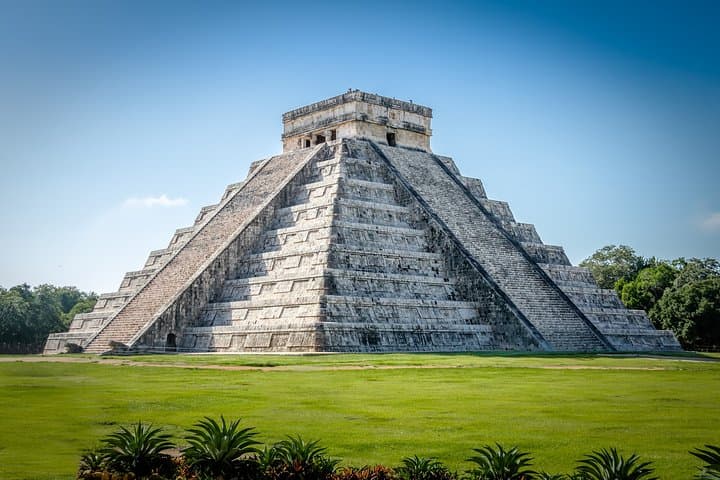
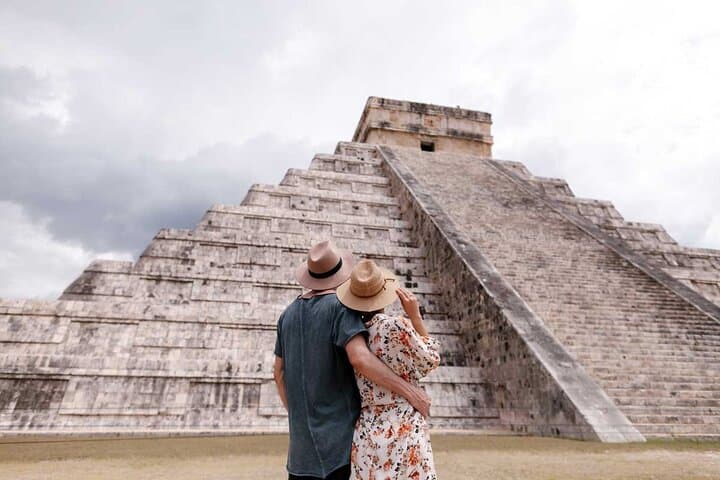
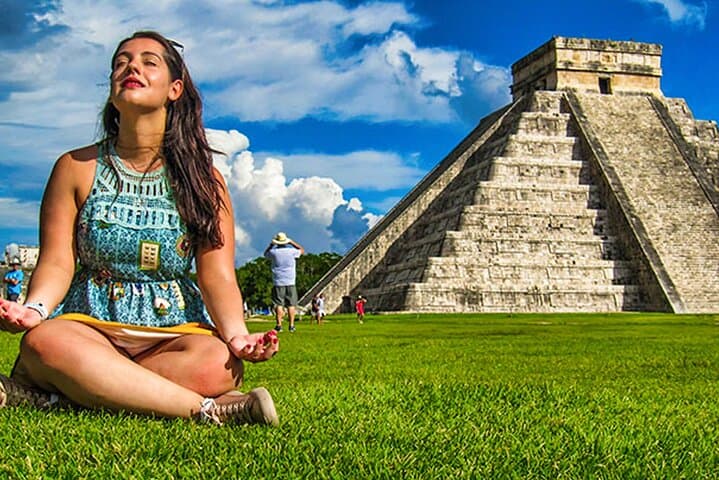
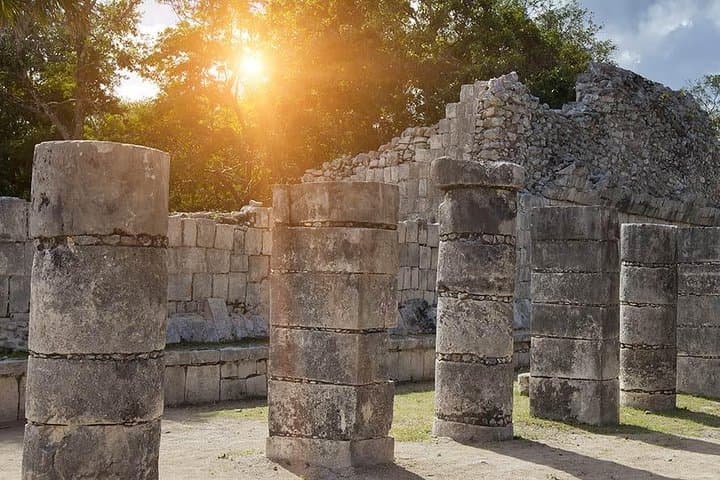
Stand at the plaza where Kukulcán casts a long, geometric shadow and feel the weight of centuries shift beneath your feet. The pyramid dominates the horizon, while nearby caverns and sinkholes keep their own secrets—pools of blue that seem to gather the sky.
Stand at the plaza where Kukulcán casts a long, geometric shadow and feel the weight of centuries shift beneath your feet. The pyramid dominates the horizon, while nearby caverns and sinkholes keep their own secrets—pools of blue that seem to gather the sky.
Chichén Itzá was a major Mayan center between the 7th and 10th centuries; its architecture encodes astronomy, ritual and civic power. The Sacred Cenote once received offerings to the gods, and the nearby cave-cenotes—Xkeken (Dzitnup) and Samula—are limestone collapse features carved by underground rivers that have shaped the Yucatán’s porous bedrock for millennia. Valladolid, a colonial town with a Spanish-era church and lively mercado, offers a contrasting human scale to the monumentality of the site.
Expect a day that alternates walking on packed-earth paths and stone plazas with cool swims in underground pools where light filters through roof openings and plants lean toward the water. Guides will cover Mayan history and local customs; eat a regional buffet to sample cochinita pibil and other Yucatecan staples.
Practical edge: the day is long—about 11–12 hours with bus transfers from Cancún—so bring biodegradable sunscreen, a quick-dry swimsuit, a towel, and small bills for park taxes, lockers and mandatory life vests. Wear sturdy sandals or light hiking shoes for uneven paths and slippery steps. Time your visit to avoid midday crowds at the pyramid and plan for short, supervised swims in the cenotes.