THE ADVENTURE COLLECTIVE® · Independent discovery and booking for outdoor travel

Turn a long transfer into a full-day cultural and natural stop: explore Chichén Itzá’s pyramids, then cool off in Cenote Ikkil. This hop-on/hop-off itinerary pairs Maya history with a refreshing swim and practical logistics for travelers moving between Mérida and the Riviera Maya.
Turn a long transfer into a full-day cultural and natural stop: explore Chichén Itzá’s pyramids, then cool off in Cenote Ikkil. This hop-on/hop-off itinerary pairs Maya history with a refreshing swim and practical logistics for travelers moving between Mérida and the Riviera Maya.
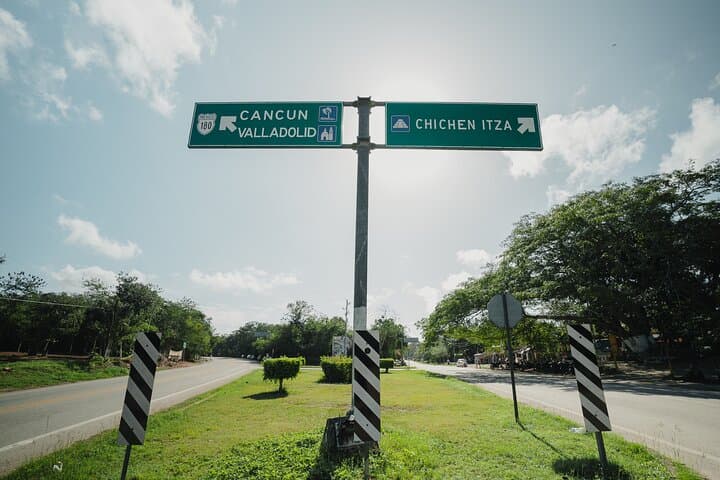
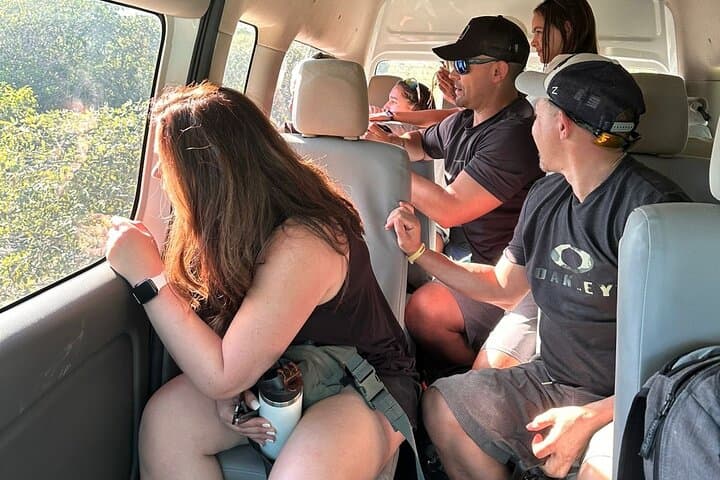
You step off the air-conditioned vehicle and the knobs and angles of carved stone cut a different light—sharp and sun-baked—against the broad Yucatán sky. The sound here is patient: vendors calling softly, a distant coati rustle, other travelers’ footsteps on compacted earth. Visiting Chichén Itzá on a day drive from Mérida transforms a transfer into a layered day of architecture and water.
Verified experiences and guided adventures in the surrounding area.
Operated by Tunkuruchu Tailor Made Tours · Pisté, Yucatán
You step off the air-conditioned vehicle and the knobs and angles of carved stone cut a different light—sharp and sun-baked—against the broad Yucatán sky. The sound here is patient: vendors calling softly, a distant coati rustle, other travelers’ footsteps on compacted earth. Visiting Chichén Itzá on a day drive from Mérida transforms a transfer into a layered day of architecture and water.
The site is an 11th–13th century Maya political and ritual center dominated by El Castillo, a stepped pyramid aligned to solar events. The limestone plain beneath your feet is underlain by porous karst that created the region’s famous cenotes—sinkholes that once supplied water to Mayan cities and now offer a cool counterpoint at Cenote Ikkil. Cultural threads here include colonial-era nearby towns like Pisté and living Maya communities whose crafts and cuisine persist around the archaeological circuit.
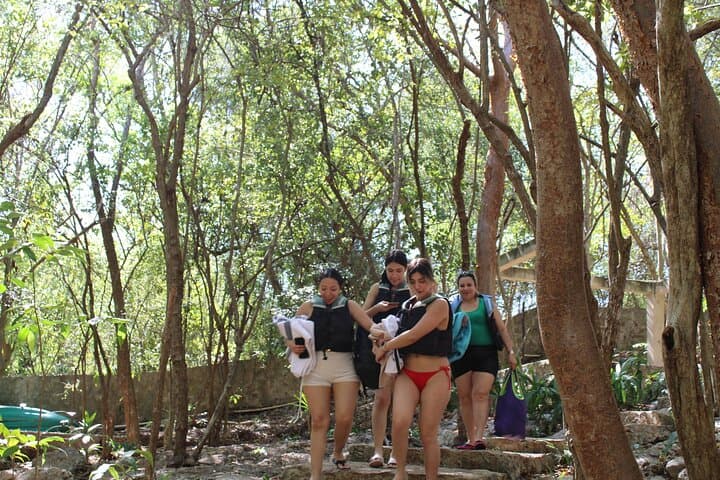
Expect a full day: about eight hours of travel, stops, and walking. Terrain at Chichén Itzá is flat with paved visitor paths; Ikkil’s access involves steps and a ladder into water. Plan for heat, sun, and crowds mid-morning to mid-afternoon. Bring swimwear and a towel if you intend to dip—waters are clear, shaded by fig and ceiba roots.
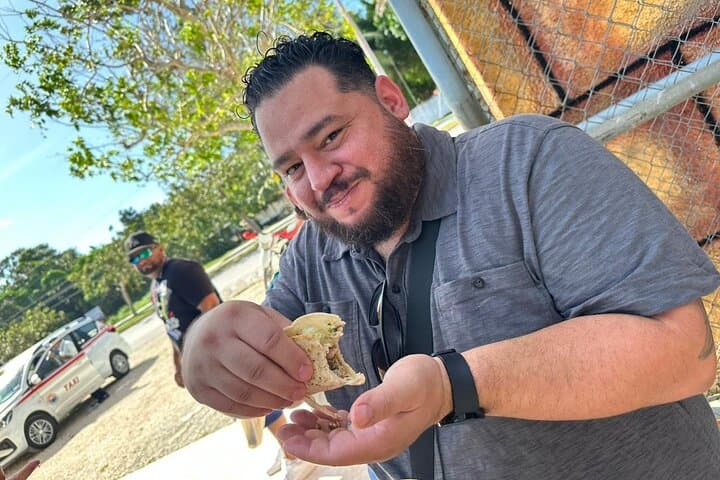
Practicalities: there are restrooms, a modest food market, and licensed guides available at the site. Wear sturdy sandals or trainers for walking, carry local currency for small purchases, and time your visit early or late in the day to avoid peak heat and tour groups. This hop-on/hop-off style stop converts a long transfer into a compact cultural and natural immersion.
moderate.
8 hours.
Light to moderate fitness; involves several hours of standing and walking with short stair descents at the cenote.
The full itinerary is about eight hours; plan roughly 2–3 hours at Chichén Itzá and 45–90 minutes at Cenote Ikkil depending on group timing.
Yes—Cenote Ikkil is a popular, maintained site with ladder access and life jackets available, but basic swimming ability is recommended.
This hop-on/hop-off option includes transport and driver; licensed guides at Chichén Itzá are usually available for hire at the entrance for extra cost.
Some larger vendors and site services accept cards, but many local sellers and smaller services prefer cash—carry pesos for convenience.
Chichén Itzá was a regional Maya capital between roughly 600–1200 CE; its architecture encodes astronomical and ritual functions linked to agriculture and rulership.
Visitor pressure and water quality are ongoing concerns—use biodegradable products, follow posted rules at cenotes, and support local guides to ensure revenues stay in the community.
Tunkuruchu Tailor Made Tours operates guided outdoor trips and adventures with an emphasis on safety, stewardship, and memorable experiences.
You step off the air-conditioned vehicle and the knobs and angles of carved stone cut a different light—sharp and sun-baked—against the broad Yucatán sky. The sound here is patient: vendors calling softly, a distant coati rustle, other travelers’ footsteps on compacted earth. Visiting Chichén Itzá on a day drive from Mérida transforms a transfer into a layered day of architecture and water.
You step off the air-conditioned vehicle and the knobs and angles of carved stone cut a different light—sharp and sun-baked—against the broad Yucatán sky. The sound here is patient: vendors calling softly, a distant coati rustle, other travelers’ footsteps on compacted earth. Visiting Chichén Itzá on a day drive from Mérida transforms a transfer into a layered day of architecture and water.
The site is an 11th–13th century Maya political and ritual center dominated by El Castillo, a stepped pyramid aligned to solar events. The limestone plain beneath your feet is underlain by porous karst that created the region’s famous cenotes—sinkholes that once supplied water to Mayan cities and now offer a cool counterpoint at Cenote Ikkil. Cultural threads here include colonial-era nearby towns like Pisté and living Maya communities whose crafts and cuisine persist around the archaeological circuit.
Expect a full day: about eight hours of travel, stops, and walking. Terrain at Chichén Itzá is flat with paved visitor paths; Ikkil’s access involves steps and a ladder into water. Plan for heat, sun, and crowds mid-morning to mid-afternoon. Bring swimwear and a towel if you intend to dip—waters are clear, shaded by fig and ceiba roots.
Practicalities: there are restrooms, a modest food market, and licensed guides available at the site. Wear sturdy sandals or trainers for walking, carry local currency for small purchases, and time your visit early or late in the day to avoid peak heat and tour groups. This hop-on/hop-off style stop converts a long transfer into a compact cultural and natural immersion.