THE ADVENTURE COLLECTIVE® · Independent discovery and booking for outdoor travel

Visit Chichén Itzá’s iconic pyramid and cool off at Cenote Ik Kil on a full-day tour from Mérida. Explore Mayan architecture and swim in a dramatic limestone sink—ideal for history buffs and outdoor seekers.
Visit Chichén Itzá’s iconic pyramid and cool off at Cenote Ik Kil on a full-day tour from Mérida. Explore Mayan architecture and swim in a dramatic limestone sink—ideal for history buffs and outdoor seekers.
The sun has already climbed when the coach eases onto the dusty road toward Chichén Itzá, and the first view of El Castillo slices across the horizon like an arithmetic problem solved in stone. You step out into warm air laced with dust and distant calls of tropical birds; the pyramid dominates the plaza while groups unfurl beneath its shadow, cameras blinking like small constellations.
Verified experiences and guided adventures in the surrounding area.
Operated by Free Travel Mexico · Tinúm, Yucatán
The sun has already climbed when the coach eases onto the dusty road toward Chichén Itzá, and the first view of El Castillo slices across the horizon like an arithmetic problem solved in stone. You step out into warm air laced with dust and distant calls of tropical birds; the pyramid dominates the plaza while groups unfurl beneath its shadow, cameras blinking like small constellations.
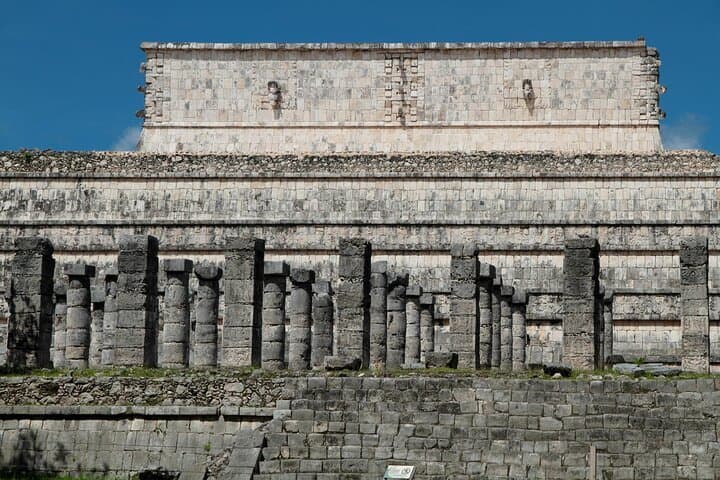
This is a place shaped by astronomy and labor: Chichén Itzá rose as a regional capital where Mayan builders and later Toltec influences layered stonework and ritual space. The Temple of Kukulkan marks the cycle of the sun and equinoxes with stairs that produce a feathered serpent of light; nearby, the Great Ball Court and observatory speak to political theater and precise sky-watching. A short drive through low karst forest drops you into Ik Kil, a collapsed limestone sink where groundwater cuts deep, stalactites hang like teeth, and a round pool calls you to cool off.
Culturally, the region remains tied to Maya communities—local food, spoken Yucatec Maya and handicrafts give the day context beyond the monuments. Geologically, the Yucatán is porous limestone; cenotes are surface windows into an underground aquifer.
Practical guidance: arrive early to avoid heat and crowds, wear sturdy shoes for uneven stone, and pack reef-safe sunscreen. Bring swimwear for Ik Kil and a towel—life jackets are available for swimmers. Respect site rules: stay on marked paths, avoid touching fragile carvings, and follow the guide’s timing to make the most of both the ruins and the cenote.
easy.
6–7 hours.
Basic walking fitness; expect 2–3 hours of on-foot exploration over uneven ground and some stair climbing.
Policies vary by operator—many shared tours include park entry in the total price; confirm on booking or in your voucher.
Yes—Ik Kil permits swimming, and rental life jackets are usually provided; bring swimwear and water shoes for the ladder and platform.
Yes—both the archaeological site and Ik Kil have basic facilities and changing areas, though lines are common during peak times.
Chichén Itzá has uneven surfaces and steps that can be challenging; some viewpoints are reachable but full access is limited—check with the operator about transport and assistance.
Chichén Itzá grew into a major political and ceremonial center where Maya and later Toltec influences merged; the Kukulkan pyramid doubles as an astronomical calendar.
Stick to marked paths, avoid touching carvings, and use reef-safe sunscreen before swimming to reduce impact on freshwater ecosystems.
Free Travel Mexico operates guided outdoor trips and adventures with an emphasis on safety, stewardship, and memorable experiences.
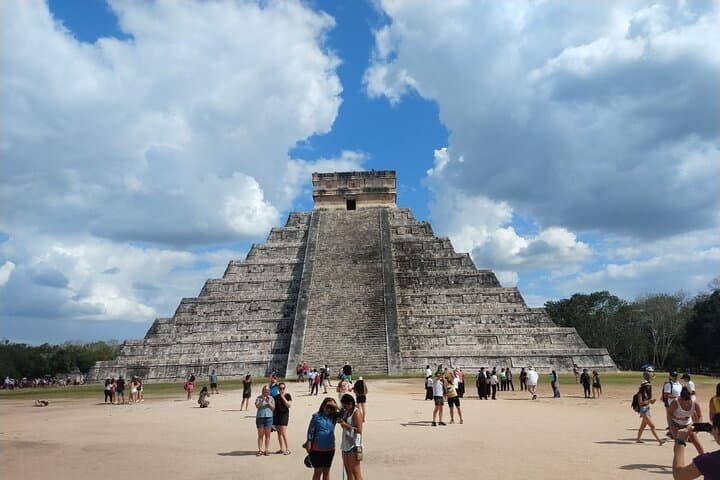
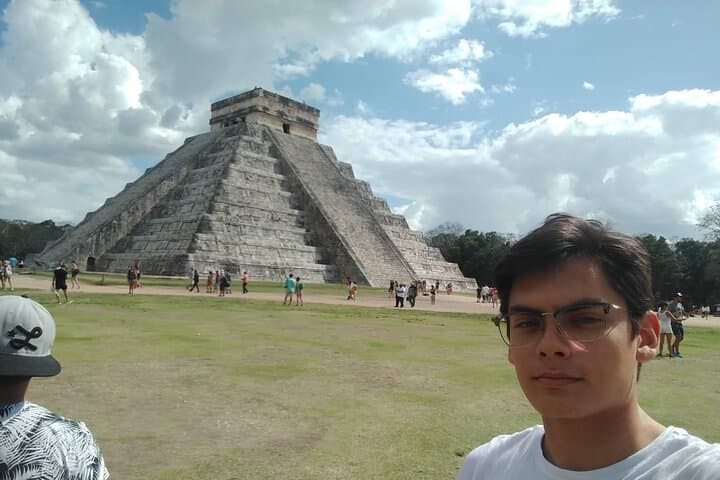
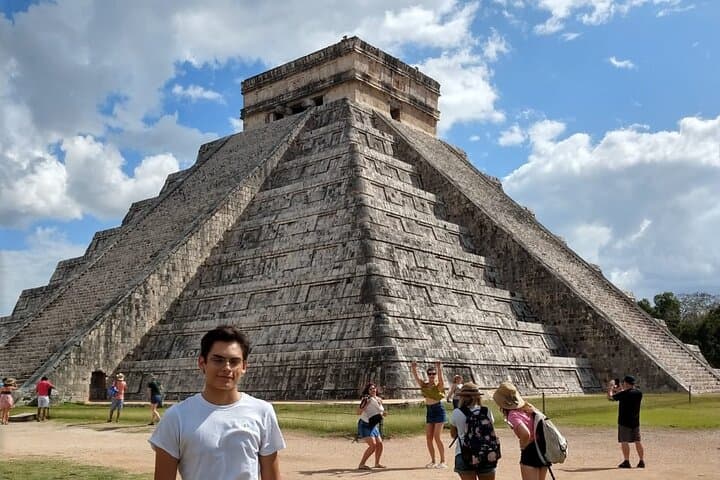
The sun has already climbed when the coach eases onto the dusty road toward Chichén Itzá, and the first view of El Castillo slices across the horizon like an arithmetic problem solved in stone. You step out into warm air laced with dust and distant calls of tropical birds; the pyramid dominates the plaza while groups unfurl beneath its shadow, cameras blinking like small constellations.
The sun has already climbed when the coach eases onto the dusty road toward Chichén Itzá, and the first view of El Castillo slices across the horizon like an arithmetic problem solved in stone. You step out into warm air laced with dust and distant calls of tropical birds; the pyramid dominates the plaza while groups unfurl beneath its shadow, cameras blinking like small constellations.
This is a place shaped by astronomy and labor: Chichén Itzá rose as a regional capital where Mayan builders and later Toltec influences layered stonework and ritual space. The Temple of Kukulkan marks the cycle of the sun and equinoxes with stairs that produce a feathered serpent of light; nearby, the Great Ball Court and observatory speak to political theater and precise sky-watching. A short drive through low karst forest drops you into Ik Kil, a collapsed limestone sink where groundwater cuts deep, stalactites hang like teeth, and a round pool calls you to cool off.
Culturally, the region remains tied to Maya communities—local food, spoken Yucatec Maya and handicrafts give the day context beyond the monuments. Geologically, the Yucatán is porous limestone; cenotes are surface windows into an underground aquifer.
Practical guidance: arrive early to avoid heat and crowds, wear sturdy shoes for uneven stone, and pack reef-safe sunscreen. Bring swimwear for Ik Kil and a towel—life jackets are available for swimmers. Respect site rules: stay on marked paths, avoid touching fragile carvings, and follow the guide’s timing to make the most of both the ruins and the cenote.