THE ADVENTURE COLLECTIVE® · Independent discovery and booking for outdoor travel

Walk through three of Lincoln Park’s living attractions with a local guide: the Peggy Notebaert Nature Museum, the glass‑warmed Conservatory, and the historic Lincoln Park Zoo. This two‑hour private tour blends ecology, history, and accessible urban walking.
Walk through three of Lincoln Park’s living attractions with a local guide: the Peggy Notebaert Nature Museum, the glass‑warmed Conservatory, and the historic Lincoln Park Zoo. This two‑hour private tour blends ecology, history, and accessible urban walking.
You step out onto the Peggy Notebaert rooftop as the city exhales—Lake Michigan's breeze brushing the skyline while native prairie plants lean toward the sun. Below, a guide waits with a map of habitats and stories; butterflies punctuate the air like punctuation marks as the tour unfurls through glasshouses and animal enclosures.
Verified experiences and guided adventures in the surrounding area.
Operated by Chicago Museum Tours · Chicago, Illinois
You step out onto the Peggy Notebaert rooftop as the city exhales—Lake Michigan's breeze brushing the skyline while native prairie plants lean toward the sun. Below, a guide waits with a map of habitats and stories; butterflies punctuate the air like punctuation marks as the tour unfurls through glasshouses and animal enclosures.
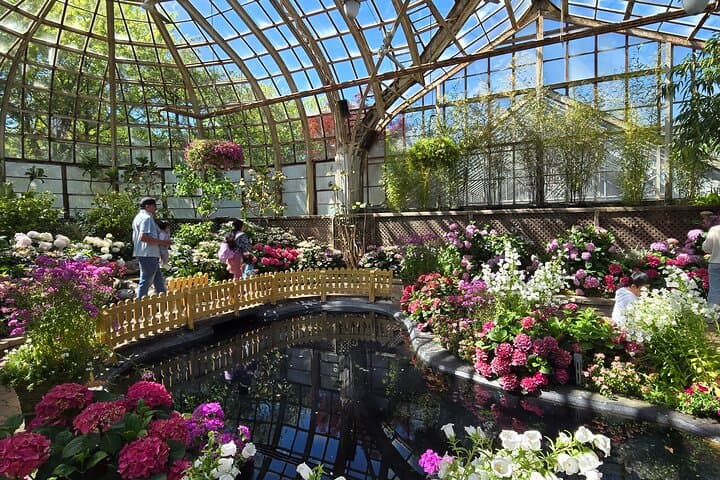
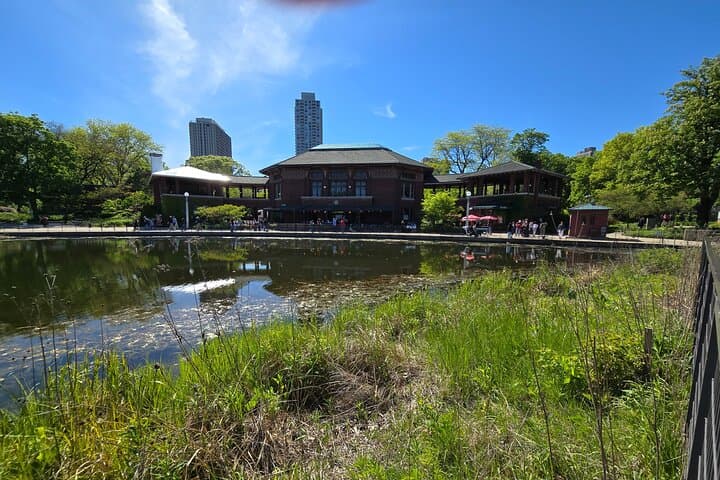
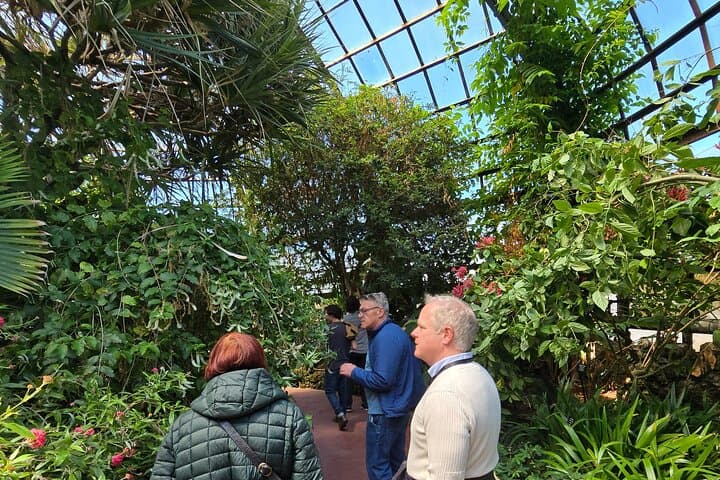
This two-hour route stitches together three distinct chapters of Lincoln Park’s natural history. The Peggy Notebaert Nature Museum interprets Great Lakes ecology and migratory bird pathways; the Conservatory carries late‑19th‑century greenhouse engineering into the present with palms, orchids, and a fern room whose humidity seems to whisper old maintenance tales; Lincoln Park Zoo, one of the nation’s oldest free zoos, anchors the walk with historical buildings and ongoing conservation programs.
Geology here is subtle—glacially formed lake plains and fill that shaped the park’s topography—yet it influences plantings and shoreline views. Culturally, the park has long been Chicago’s public laboratory for education, combining Victorian horticulture with modern wildlife care.
Practically speaking: expect paved paths and gentle slopes across roughly 1–2 miles of walking. The pace is conversational; stops are frequent for exhibits and photo frames of the skyline. Dress in layers for the Conservatory’s humidity and Chicago’s variable weather, wear comfortable shoes, and bring a refillable bottle.
Transit-friendly and stroller-accessible in most places, the tour suits visitors wanting an interpretive, urban-nature experience—where city and wild keep nudging each other forward.
moderate.
2 hours.
Light to moderate fitness; mostly level paved walking with occasional steps and gentle slopes
The tour description includes admission for the Peggy Notebaert Nature Museum; conservatory and zoo access follow their regular policies—your guide will clarify on booking.
Most paths are paved and stroller-accessible; some older zoo paths may have subtle grades—contact the operator for detailed accessibility needs.
The tour can proceed in light rain because much of the itinerary is indoors or under cover; severe weather may trigger a cancellation and refund if within the provider’s policy window.
Meet outside the main entrance to the Peggy Notebaert Nature Museum at 2430 N. Cannon Dr.; the guide will collect confirmations there.
Lincoln Park’s public gardens and zoo developed in the late 19th century as part of Chicago’s civic improvements; the Conservatory and zoo reflect that era’s emphasis on public education.
The museum and zoo emphasize regional conservation—programs focus on Great Lakes ecology and wildlife rehabilitation, so visitors are encouraged to follow leave‑no‑trace principles.
Chicago Museum Tours operates guided outdoor trips and adventures with an emphasis on safety, stewardship, and memorable experiences.
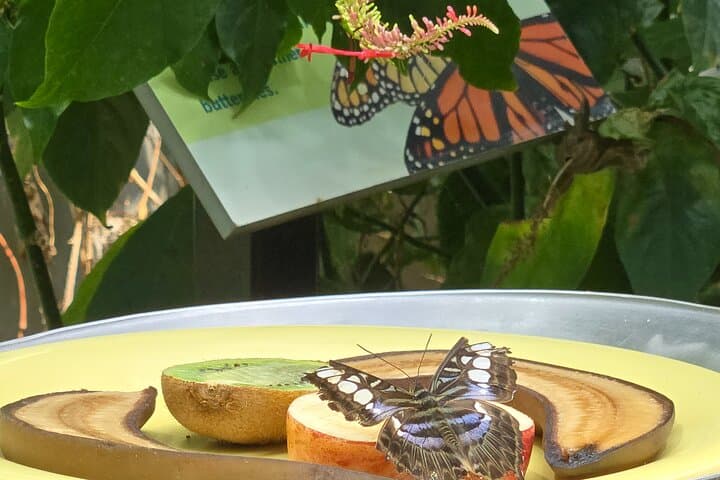
You step out onto the Peggy Notebaert rooftop as the city exhales—Lake Michigan's breeze brushing the skyline while native prairie plants lean toward the sun. Below, a guide waits with a map of habitats and stories; butterflies punctuate the air like punctuation marks as the tour unfurls through glasshouses and animal enclosures.
You step out onto the Peggy Notebaert rooftop as the city exhales—Lake Michigan's breeze brushing the skyline while native prairie plants lean toward the sun. Below, a guide waits with a map of habitats and stories; butterflies punctuate the air like punctuation marks as the tour unfurls through glasshouses and animal enclosures.
This two-hour route stitches together three distinct chapters of Lincoln Park’s natural history. The Peggy Notebaert Nature Museum interprets Great Lakes ecology and migratory bird pathways; the Conservatory carries late‑19th‑century greenhouse engineering into the present with palms, orchids, and a fern room whose humidity seems to whisper old maintenance tales; Lincoln Park Zoo, one of the nation’s oldest free zoos, anchors the walk with historical buildings and ongoing conservation programs.
Geology here is subtle—glacially formed lake plains and fill that shaped the park’s topography—yet it influences plantings and shoreline views. Culturally, the park has long been Chicago’s public laboratory for education, combining Victorian horticulture with modern wildlife care.
Practically speaking: expect paved paths and gentle slopes across roughly 1–2 miles of walking. The pace is conversational; stops are frequent for exhibits and photo frames of the skyline. Dress in layers for the Conservatory’s humidity and Chicago’s variable weather, wear comfortable shoes, and bring a refillable bottle.
Transit-friendly and stroller-accessible in most places, the tour suits visitors wanting an interpretive, urban-nature experience—where city and wild keep nudging each other forward.