THE ADVENTURE COLLECTIVE® · Independent discovery and booking for outdoor travel

A focused 90-minute guided walk from the Chicago Architecture Center that traces the city’s architectural evolution — from post‑fire steel frames to contemporary lakeshore towers. Perfect for first-time visitors who want a compact, contextual tour of the Loop.
A focused 90-minute guided walk from the Chicago Architecture Center that traces the city’s architectural evolution — from post‑fire steel frames to contemporary lakeshore towers. Perfect for first-time visitors who want a compact, contextual tour of the Loop.
You start at the Chicago Architecture Center on the river, the water sliding past like a ribbon that dares you to look up. In 90 minutes a guide moves a small group through the Loop and along the riverwalk, pointing out faience cornices, steel frames and glass planes while the city hums around you.
Verified experiences and guided adventures in the surrounding area.
Operated by Chicago Architecture Center · Chicago, IL
You start at the Chicago Architecture Center on the river, the water sliding past like a ribbon that dares you to look up. In 90 minutes a guide moves a small group through the Loop and along the riverwalk, pointing out faience cornices, steel frames and glass planes while the city hums around you.
Chicago’s skyline is a record of reinvention. After the Great Chicago Fire of 1871 the city rebuilt with new materials and new ambitions — the birth of the modern skyscraper, innovations in steel framing and the Chicago School’s pragmatic elegance. Walkers will see late 19th-century cast-iron fronts, Art Deco facades and Post‑Modern flourishes that mark different eras of urban planning and civic aspiration. The nearby lake shaped this growth; reclaimed shoreline and landfill altered where streets and towers rise, and the river’s course dictated bridges and promenades.
Architecture here is civic storytelling: banks and newspapers, innovative housing, and modern mixed-use towers each reveal social and economic shifts. Guides add cultural context, from the Rookery’s Burnham-era lobby to recent waterfront development at Lakeshore East and Aqua Tower.
Practically: the tour is 1.5 hours, mostly flat pavement with frequent stops for commentary. It’s wheel- and stroller-accessible, runs rain or shine, and is best taken in morning or late afternoon light for photos. Bring comfortable walking shoes, a water bottle, and a transit card; wear layers for sudden wind off the lake. If you want deeper dives, arrive early to visit CAC galleries before the walk starts.
easy.
1–1.5 hours.
Suitable for most fitness levels — requires standing and walking on flat city streets for the tour length.
Meet at the Chicago Architecture Center at 111 E Wacker Drive; arrive 15 minutes early to check in at the box office.
Yes — the route is accessible and the CAC reports wheelchair- and stroller-friendly surfaces along the tour.
Expect light walking on paved surfaces over 90 minutes with regular stops for commentary; no steep climbs.
Yes — photography is encouraged; bring a small tripod or steadier if you plan longer exposures along the river.
Chicago rebuilt rapidly after the 1871 fire, pioneering steel-frame construction and giving rise to the modern skyscraper and the Chicago School of architecture.
The Chicago Architecture Center is a nonprofit that promotes preservation and education; visitors are encouraged to respect building façades and public spaces to minimize impact.
Chicago Architecture Center operates guided outdoor trips and adventures with an emphasis on safety, stewardship, and memorable experiences.
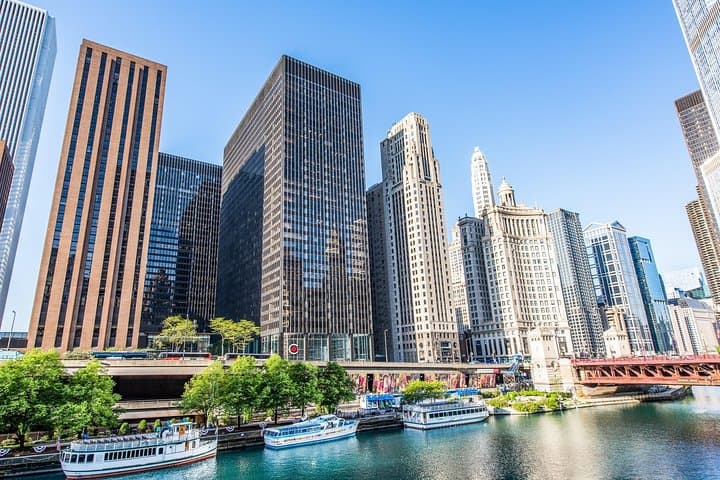
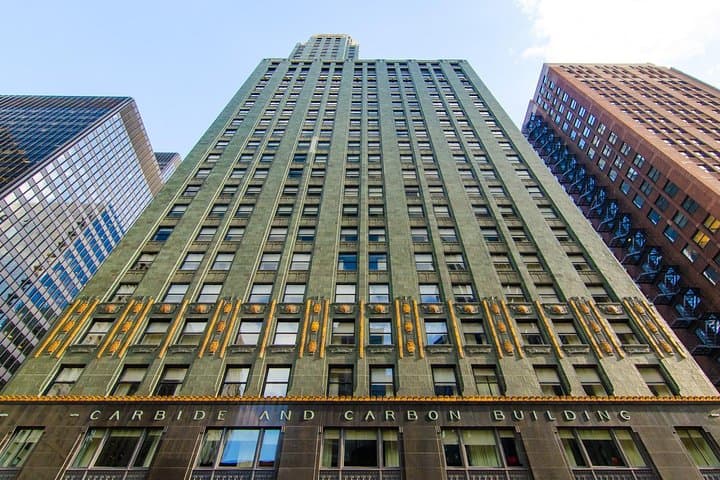
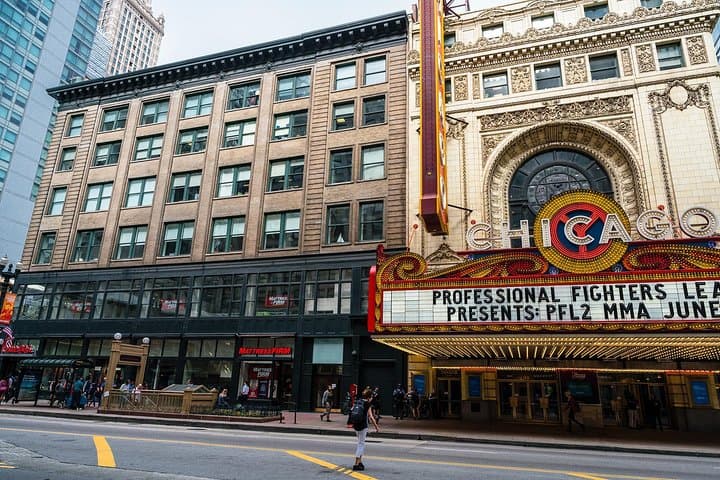
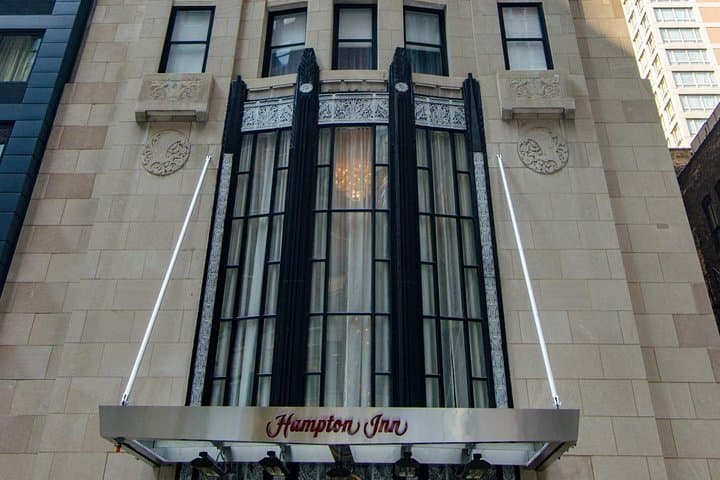
You start at the Chicago Architecture Center on the river, the water sliding past like a ribbon that dares you to look up. In 90 minutes a guide moves a small group through the Loop and along the riverwalk, pointing out faience cornices, steel frames and glass planes while the city hums around you.
You start at the Chicago Architecture Center on the river, the water sliding past like a ribbon that dares you to look up. In 90 minutes a guide moves a small group through the Loop and along the riverwalk, pointing out faience cornices, steel frames and glass planes while the city hums around you.
Chicago’s skyline is a record of reinvention. After the Great Chicago Fire of 1871 the city rebuilt with new materials and new ambitions — the birth of the modern skyscraper, innovations in steel framing and the Chicago School’s pragmatic elegance. Walkers will see late 19th-century cast-iron fronts, Art Deco facades and Post‑Modern flourishes that mark different eras of urban planning and civic aspiration. The nearby lake shaped this growth; reclaimed shoreline and landfill altered where streets and towers rise, and the river’s course dictated bridges and promenades.
Architecture here is civic storytelling: banks and newspapers, innovative housing, and modern mixed-use towers each reveal social and economic shifts. Guides add cultural context, from the Rookery’s Burnham-era lobby to recent waterfront development at Lakeshore East and Aqua Tower.
Practically: the tour is 1.5 hours, mostly flat pavement with frequent stops for commentary. It’s wheel- and stroller-accessible, runs rain or shine, and is best taken in morning or late afternoon light for photos. Bring comfortable walking shoes, a water bottle, and a transit card; wear layers for sudden wind off the lake. If you want deeper dives, arrive early to visit CAC galleries before the walk starts.