THE ADVENTURE COLLECTIVE® · Independent discovery and booking for outdoor travel

A self-guided audio tour that follows the Chicago River from the McCormick Bridgehouse to downtown landmarks. Download the Action Tour Guide app, bring headphones, and plan 1–2 hours to take in bridge lifts, architecture, and riverside eateries.
A self-guided audio tour that follows the Chicago River from the McCormick Bridgehouse to downtown landmarks. Download the Action Tour Guide app, bring headphones, and plan 1–2 hours to take in bridge lifts, architecture, and riverside eateries.
The Riverwalk unfurls like a concrete ribbon along the Chicago River, water cutting through the city and daring you to move at its pace. Start at the McCormick Bridgehouse plaza and step down onto a waterfront walkway where joggers, office workers and tourists stitch the route together; the river’s current pushes reflections of glass towers and old masonry into motion.
Verified experiences and guided adventures in the surrounding area.
Operated by History with Action · Chicago, Illinois
The Riverwalk unfurls like a concrete ribbon along the Chicago River, water cutting through the city and daring you to move at its pace. Start at the McCormick Bridgehouse plaza and step down onto a waterfront walkway where joggers, office workers and tourists stitch the route together; the river’s current pushes reflections of glass towers and old masonry into motion.
This stretch of river is a living history lesson — from the 19th-century engineering feats that made Chicago a transport hub to modern river restoration efforts. As you follow the audio guide, hear why bridges lift for freighters, how the river’s reversal reshaped the region’s health, and why art-deco towers and terra-cotta facades line the bank. Geology is subtle here: the river carved a course through glacial deposits and lake plain, and the built environment adapts to that flat, windy landscape.
Culture is on display in public plazas, memorials and the steady commerce of summer restaurants and kayak rentals. Keep an ear out for the bridgehouse narrator describing a bridge lift — a mechanical drama you can occasionally witness from inside.
Practical guidance: download the Action Tour Guide app and your tour while on Wi‑Fi, bring headphones and a charged phone, and plan 60–120 minutes depending on stops. Wear comfortable shoes — the path is paved but includes stairs and short ramps. Public transit and bike-share docks sit nearby; peak pedestrian traffic is late morning and early evening. Respect memorials, stay clear of boat ramps, and use the offline map to navigate if cell service falters. This is an urban walk that reads like a short course in Chicago’s engineering, architecture and river ecology — hands-free, self-paced, and weather-dependent.
easy.
1–2 hours.
Suitable for most fitness levels; expect low impact walking with occasional stairs and gentle ramps.
No — this is a self-guided audio tour. Go to the designated starting point, open the app and the audio will begin automatically when you reach the first waypoint.
Yes — download the tour and maps in the Action app while on Wi‑Fi or with cellular before you arrive; the tour will work offline afterward.
No — entrance fees for museums or paid attractions along the route are not included; check opening hours and buy separate tickets if you plan to enter.
Much of the Riverwalk is paved with ramps and elevators at some bridges, but there are stairs in sections; check the app route details for accessible pathways and plan accordingly.
The Chicago River shaped the city’s growth; its 1900s reversal and later restoration projects altered water quality and commerce, while bridges and warehouses mark Chicago’s industrial past.
Riverwalk stewardship focuses on water-quality improvements and shoreline habitat restoration; avoid feeding wildlife and follow posted guidelines to protect nesting areas and vegetation.
History with Action operates guided outdoor trips and adventures with an emphasis on safety, stewardship, and memorable experiences.

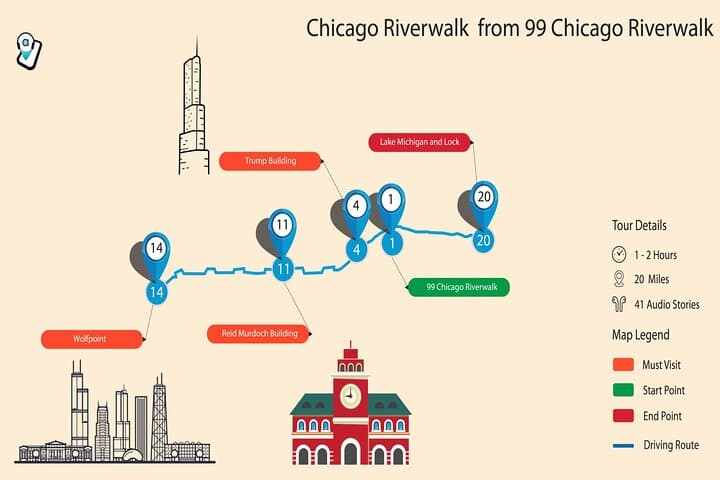
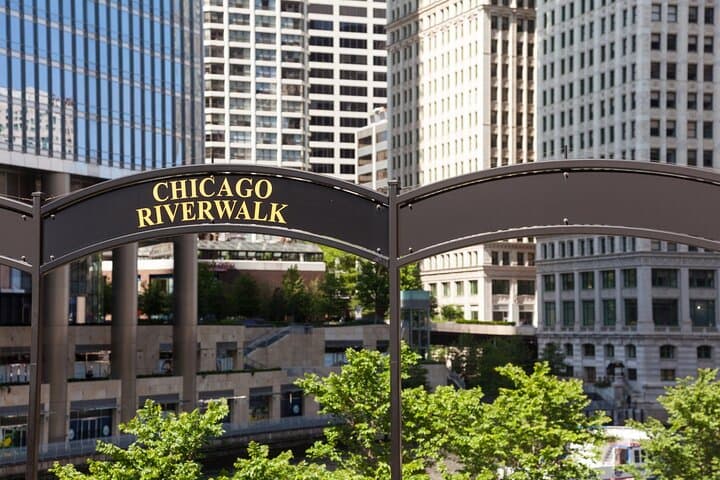
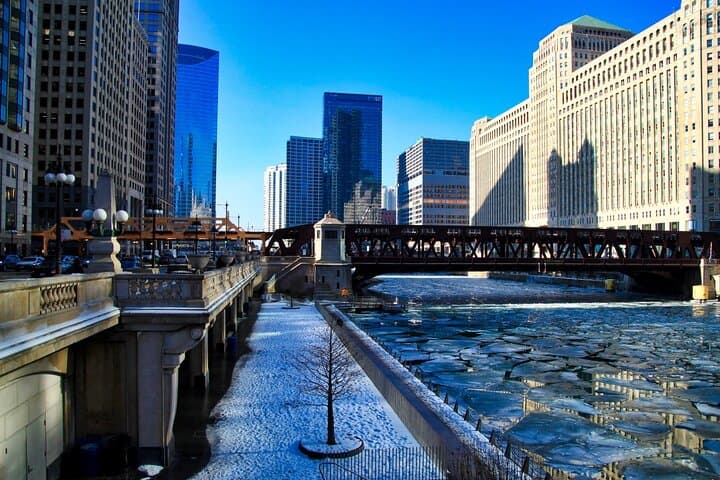
The Riverwalk unfurls like a concrete ribbon along the Chicago River, water cutting through the city and daring you to move at its pace. Start at the McCormick Bridgehouse plaza and step down onto a waterfront walkway where joggers, office workers and tourists stitch the route together; the river’s current pushes reflections of glass towers and old masonry into motion.
The Riverwalk unfurls like a concrete ribbon along the Chicago River, water cutting through the city and daring you to move at its pace. Start at the McCormick Bridgehouse plaza and step down onto a waterfront walkway where joggers, office workers and tourists stitch the route together; the river’s current pushes reflections of glass towers and old masonry into motion.
This stretch of river is a living history lesson — from the 19th-century engineering feats that made Chicago a transport hub to modern river restoration efforts. As you follow the audio guide, hear why bridges lift for freighters, how the river’s reversal reshaped the region’s health, and why art-deco towers and terra-cotta facades line the bank. Geology is subtle here: the river carved a course through glacial deposits and lake plain, and the built environment adapts to that flat, windy landscape.
Culture is on display in public plazas, memorials and the steady commerce of summer restaurants and kayak rentals. Keep an ear out for the bridgehouse narrator describing a bridge lift — a mechanical drama you can occasionally witness from inside.
Practical guidance: download the Action Tour Guide app and your tour while on Wi‑Fi, bring headphones and a charged phone, and plan 60–120 minutes depending on stops. Wear comfortable shoes — the path is paved but includes stairs and short ramps. Public transit and bike-share docks sit nearby; peak pedestrian traffic is late morning and early evening. Respect memorials, stay clear of boat ramps, and use the offline map to navigate if cell service falters. This is an urban walk that reads like a short course in Chicago’s engineering, architecture and river ecology — hands-free, self-paced, and weather-dependent.