THE ADVENTURE COLLECTIVE® · Independent discovery and booking for outdoor travel

Walk between Millennium Park’s sculptures and the Chicago Riverwalk with a downloadable audio guide that explains architecture, history, and local lore. Easy to use, valid for one year—download before you arrive and explore at your own pace.
Walk between Millennium Park’s sculptures and the Chicago Riverwalk with a downloadable audio guide that explains architecture, history, and local lore. Easy to use, valid for one year—download before you arrive and explore at your own pace.
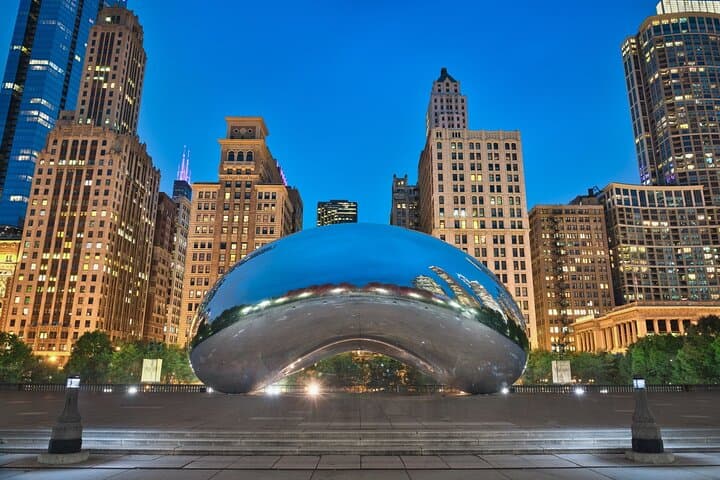
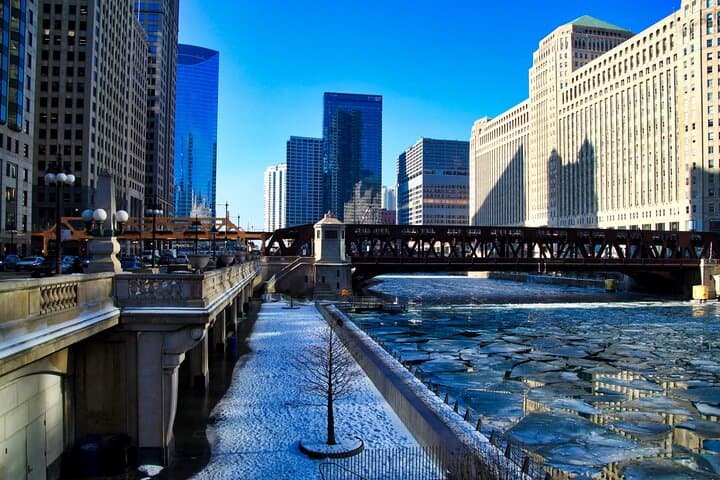
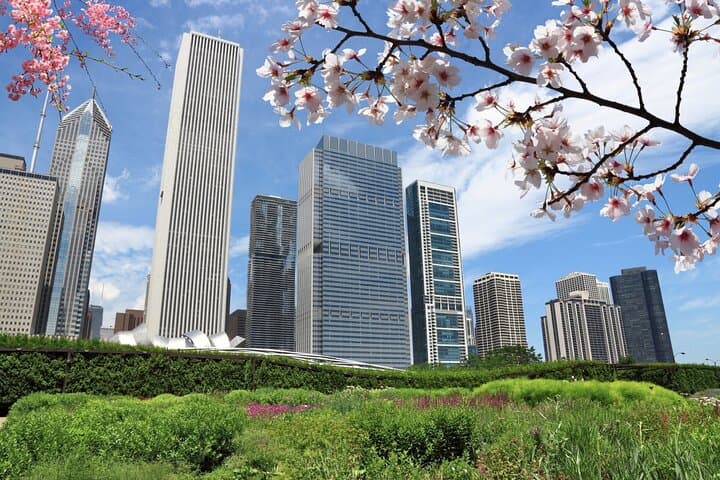
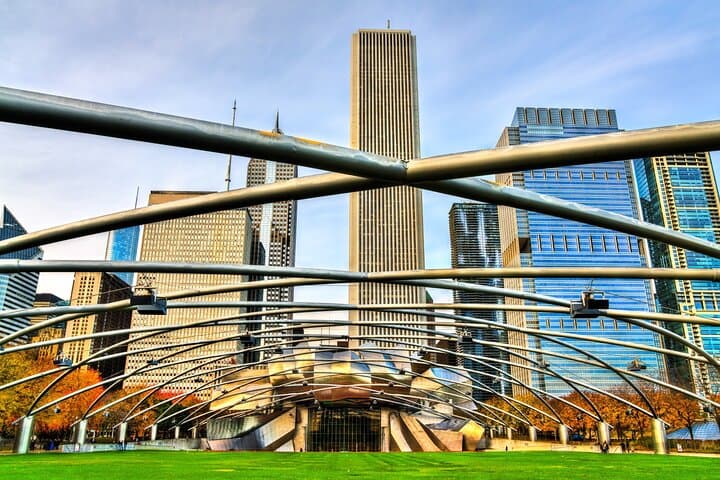
You step out onto a wide plaza, the city’s glass and limestone leaning in like an audience. The voice in your ear describes a sculptor’s intent while the river below seems to dare you to look closer; footsteps, water, and traffic create a steady urban rhythm. This self-guided audio bundle links Millennium Park’s plazas, sculptures and gardens to the linear calm of the Chicago Riverwalk for a compact, 1–2 hour city trek.
Verified experiences and guided adventures in the surrounding area.
Operated by History with Action · Chicago, Illinois
You step out onto a wide plaza, the city’s glass and limestone leaning in like an audience. The voice in your ear describes a sculptor’s intent while the river below seems to dare you to look closer; footsteps, water, and traffic create a steady urban rhythm. This self-guided audio bundle links Millennium Park’s plazas, sculptures and gardens to the linear calm of the Chicago Riverwalk for a compact, 1–2 hour city trek.
Chicago’s streets are layered history: the park sits on landfill over former rail yards and the river was reversed in the early 20th century to protect Lake Michigan from sewage—an engineering pivot as significant as the city’s steel-and-terra-cotta boom that created architectural icons you’ll pass. Geologically this is young terrain—post-glacial lakebeds reshaped by industry—so expect engineered shorelines, bridges with stories, and public art that maps civic ambition.
Culturally, the route walks through civic stages: concert pavilions, memorial gardens, and bridges named for early developers and activists. Local baristas, river tour skippers and park gardeners all contribute small, revealing interactions if you pause.
Practical guidance: download the Action Tour Guide app and redeem the password over Wi‑Fi before you arrive—offline playback is supported. Start at Jay Pritzker Pavilion or 99 Chicago Riverwalk depending on your chosen sequence. Wear comfortable shoes, bring headphones and a battery pack, and time the Riverwalk for golden light or late-afternoon breeze when reflections are sharpest. Morning or weekday visits reduce crowds; watch for bicycle lanes and stay on marked walkways. This package is flexible—play, pause, and detour as you like, but confirm museum or observatory admissions separately.
easy.
1–2 hours.
Suitable for most fitness levels; involves continuous walking on paved surfaces for up to two hours.
No, this is a self‑guided audio tour; no guide will meet you—start from either Jay Pritzker Pavilion or the Riverwalk entrance as instructed in the app.
No; admissions to museums, observatories or paid attractions are not included and must be purchased separately.
The audio tour download is valid for one year from purchase and can be used multiple times within that period.
Much of Millennium Park and the Riverwalk are accessible, but some bridges and ramps may have grades—check local accessibility maps and plan a route accordingly.
Millennium Park was built in the early 2000s over railroad yards and parking lots, transforming reclaimed land into civic greenspace; the Chicago River’s engineered reversal in 1900 was a major public‑health and engineering milestone.
The Riverwalk features managed plantings and stormwater infrastructure to improve water quality; visitors are asked to stay on paths, avoid feeding wildlife, and pack out trash to protect river habitats.
History with Action operates guided outdoor trips and adventures with an emphasis on safety, stewardship, and memorable experiences.
You step out onto a wide plaza, the city’s glass and limestone leaning in like an audience. The voice in your ear describes a sculptor’s intent while the river below seems to dare you to look closer; footsteps, water, and traffic create a steady urban rhythm. This self-guided audio bundle links Millennium Park’s plazas, sculptures and gardens to the linear calm of the Chicago Riverwalk for a compact, 1–2 hour city trek.
You step out onto a wide plaza, the city’s glass and limestone leaning in like an audience. The voice in your ear describes a sculptor’s intent while the river below seems to dare you to look closer; footsteps, water, and traffic create a steady urban rhythm. This self-guided audio bundle links Millennium Park’s plazas, sculptures and gardens to the linear calm of the Chicago Riverwalk for a compact, 1–2 hour city trek.
Chicago’s streets are layered history: the park sits on landfill over former rail yards and the river was reversed in the early 20th century to protect Lake Michigan from sewage—an engineering pivot as significant as the city’s steel-and-terra-cotta boom that created architectural icons you’ll pass. Geologically this is young terrain—post-glacial lakebeds reshaped by industry—so expect engineered shorelines, bridges with stories, and public art that maps civic ambition.
Culturally, the route walks through civic stages: concert pavilions, memorial gardens, and bridges named for early developers and activists. Local baristas, river tour skippers and park gardeners all contribute small, revealing interactions if you pause.
Practical guidance: download the Action Tour Guide app and redeem the password over Wi‑Fi before you arrive—offline playback is supported. Start at Jay Pritzker Pavilion or 99 Chicago Riverwalk depending on your chosen sequence. Wear comfortable shoes, bring headphones and a battery pack, and time the Riverwalk for golden light or late-afternoon breeze when reflections are sharpest. Morning or weekday visits reduce crowds; watch for bicycle lanes and stay on marked walkways. This package is flexible—play, pause, and detour as you like, but confirm museum or observatory admissions separately.