THE ADVENTURE COLLECTIVE® · Independent discovery and booking for outdoor travel

Walk the streets where ragtime, jazz and the Chicago Outfit intersect. This self-guided VoiceMap audio tour runs 45–60 minutes and layers archival storytelling with on-street direction and photos.
Walk the streets where ragtime, jazz and the Chicago Outfit intersect. This self-guided VoiceMap audio tour runs 45–60 minutes and layers archival storytelling with on-street direction and photos.
Headphones in, the city opens like a record player—steel rails, traffic, and a saxophone drifting from a nearby bar.
This self-guided audio walk threads through Chicago’s South Loop, Motor Row, and Prairie Avenue neighborhoods, dropping you at corners where ragtime pianists, jazz combos, and bootleggers once fought for space and attention.
Verified experiences and guided adventures in the surrounding area.
Operated by VoiceMap Audio Tours · Chicago, Illinois
Headphones in, the city opens like a record player—steel rails, traffic, and a saxophone drifting from a nearby bar.
This self-guided audio walk threads through Chicago’s South Loop, Motor Row, and Prairie Avenue neighborhoods, dropping you at corners where ragtime pianists, jazz combos, and bootleggers once fought for space and attention.
In a compact route you’ll hear about the Everleigh Club’s gilded scandal, Al Capone’s reach through saloons and back-room politics, Motor Row’s showroom facades (built 1905–1936), and the Prairie district’s rise after the Great Chicago Fire and the earlier Battle of Fort Dearborn.
The city’s bedrock—glacial clays beneath a fill-built shoreline—shaped how streets and rail lines were raised and where clubs and theaters clustered. Culture comes in layers: Black and immigrant musicians who brought ragtime and the early sounds of Chicago jazz, industrial money that paid for ornate clubs, and neon that kept the music audible after dusk. The app’s GPS cues locate façades, alleys, and plaques while archival audio places you in past rooms and present streets.
Practicalities: the route runs 45–60 minutes on mostly flat sidewalks with curb cuts. Download the VoiceMap tour before you leave, bring noise-isolating earbuds, a charged phone and spare battery, and expect occasional construction or detours. Weekday mornings are quieter; evenings offer more live music nearby but require extra awareness of transit and personal safety. Allow extra time to pause at display plaques and nearby museums that deepen the stories you’ll hear and neighborhoods.
easy.
45–60 minutes.
Light walking on paved city sidewalks; suitable for most fitness levels and easy to pause.
The route is designed for 45–60 minutes but you can pause at any time to linger at points of interest.
Yes—download the VoiceMap file before you go and the audio, maps, and geodata will work without mobile data.
Most sidewalks and crossings are paved with curb cuts; however, occasional construction or uneven pavement can present brief obstacles.
Yes—the eight-character VoiceMap code provided can be redeemed on multiple devices by your group.
Chicago became a jazz hub as musicians migrated north during the Great Migration and New Orleans players moved in during the early 20th century, transforming local ragtime into the city’s distinctive jazz scene.
Historic preservation groups actively protect Motor Row and Prairie Avenue façades; treat plaques and buildings respectfully and avoid contributing to graffiti or litter in these sensitive heritage zones.
VoiceMap Audio Tours operates guided outdoor trips and adventures with an emphasis on safety, stewardship, and memorable experiences.
Headphones in, the city opens like a record player—steel rails, traffic, and a saxophone drifting from a nearby bar.
This self-guided audio walk threads through Chicago’s South Loop, Motor Row, and Prairie Avenue neighborhoods, dropping you at corners where ragtime pianists, jazz combos, and bootleggers once fought for space and attention.
Headphones in, the city opens like a record player—steel rails, traffic, and a saxophone drifting from a nearby bar.
This self-guided audio walk threads through Chicago’s South Loop, Motor Row, and Prairie Avenue neighborhoods, dropping you at corners where ragtime pianists, jazz combos, and bootleggers once fought for space and attention.
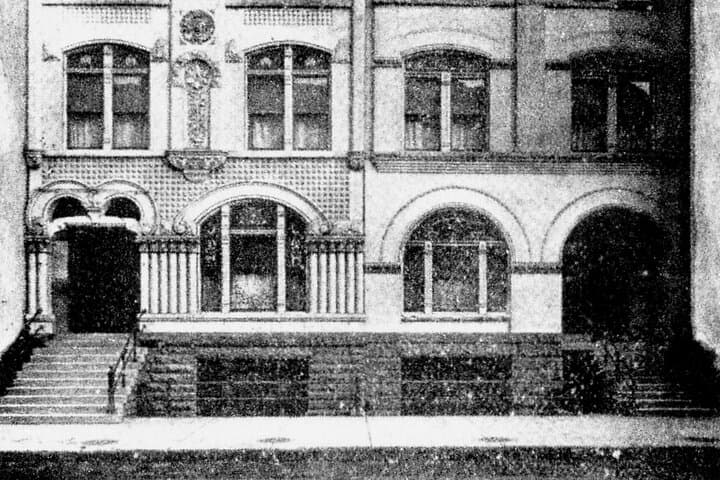
In a compact route you’ll hear about the Everleigh Club’s gilded scandal, Al Capone’s reach through saloons and back-room politics, Motor Row’s showroom facades (built 1905–1936), and the Prairie district’s rise after the Great Chicago Fire and the earlier Battle of Fort Dearborn.
The city’s bedrock—glacial clays beneath a fill-built shoreline—shaped how streets and rail lines were raised and where clubs and theaters clustered. Culture comes in layers: Black and immigrant musicians who brought ragtime and the early sounds of Chicago jazz, industrial money that paid for ornate clubs, and neon that kept the music audible after dusk. The app’s GPS cues locate façades, alleys, and plaques while archival audio places you in past rooms and present streets.
Practicalities: the route runs 45–60 minutes on mostly flat sidewalks with curb cuts. Download the VoiceMap tour before you leave, bring noise-isolating earbuds, a charged phone and spare battery, and expect occasional construction or detours. Weekday mornings are quieter; evenings offer more live music nearby but require extra awareness of transit and personal safety. Allow extra time to pause at display plaques and nearby museums that deepen the stories you’ll hear and neighborhoods.