THE ADVENTURE COLLECTIVE® · Independent discovery and booking for outdoor travel

Trace Chicago’s Jazz Age ambition on a private two-hour walk through the Loop’s Art Deco landmarks. Learn to read façades, discover hidden architectural details, and get practical tips for timing, transit and accessibility.
Trace Chicago’s Jazz Age ambition on a private two-hour walk through the Loop’s Art Deco landmarks. Learn to read façades, discover hidden architectural details, and get practical tips for timing, transit and accessibility.
The city opens like a ledger as you step from the Hyatt Place onto a grid of stone and steel — sunlight slashing across limestone façades, the Chicago River threading green through the block. Your guide sets the pace, pointing out a carved frieze here, an angular cornice there, and a spiral staircase that sends light down into a lobby the way a pocket watch holds a secret.
Verified experiences and guided adventures in the surrounding area.
Operated by Guydeez · Chicago, Illinois
The city opens like a ledger as you step from the Hyatt Place onto a grid of stone and steel — sunlight slashing across limestone façades, the Chicago River threading green through the block. Your guide sets the pace, pointing out a carved frieze here, an angular cornice there, and a spiral staircase that sends light down into a lobby the way a pocket watch holds a secret.
Chicago’s Art Deco pulse arrived in the 1920s as industry and design collided; architects used new materials and ornament to celebrate commerce and motion. Concrete, terra cotta and stylized classical motifs give the Loop a readable geology: a vertical city built from Midwestern clays and industrial ambition. Along the route you’ll hear about the Chicago School’s earlier steel-frame innovations, the Jazz Age commissions that gilded bank lobbies, and the social currents that made this a proving ground for modern urban style.
The tour is private and adaptable — useful if you want the financial district’s hard lines or the softer riverfront views. It doesn’t include entry into monuments, but it does equip you to recognize architects and architectural language, and to understand why preservation matters to a skyline that keeps remaking itself.
Practical guidance: expect two hours of flat walking on sidewalks — 1.5–2.5 miles depending on customization. Wear city walking shoes, bring a water bottle, and time your tour for morning light or a late-afternoon golden hour when façades warm. Public transit drops you close; the route is wheelchair accessible with some curb cuts and crosswalks to navigate. Ask your guide to point out less obvious details so you leave with both addresses and stories.
easy.
2 hours.
Suitable for most fitness levels; expect moderate walking over flat, paved city sidewalks.
Yes—streets and sidewalks on the standard route are accessible; tell the operator your needs so the guide can select the smoothest path and pace.
This private tour focuses on exterior architecture and street-level details; it does not include interior admissions but guides often point out notable lobbies from the street.
Guides are available in English, Italian, French and Spanish—confirm language preference when booking.
The meeting point is in front of Hyatt Place Chicago/Downtown-The Loop; it’s easily reached by CTA trains and buses—check real-time transit options before departure.
Chicago’s Loop transformed after the 1871 Fire and again in the 1920s, when Art Deco and Art Moderne styles reflected the city’s commercial optimism and technological advances.
River restoration and landmark-building protections have been central to preserving the Loop’s character; responsible tourism helps support preservation efforts and reduced street litter.
Guydeez operates guided outdoor trips and adventures with an emphasis on safety, stewardship, and memorable experiences.
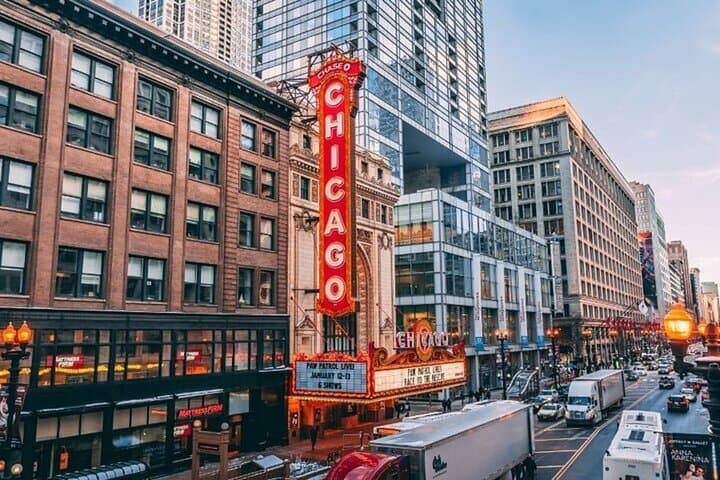
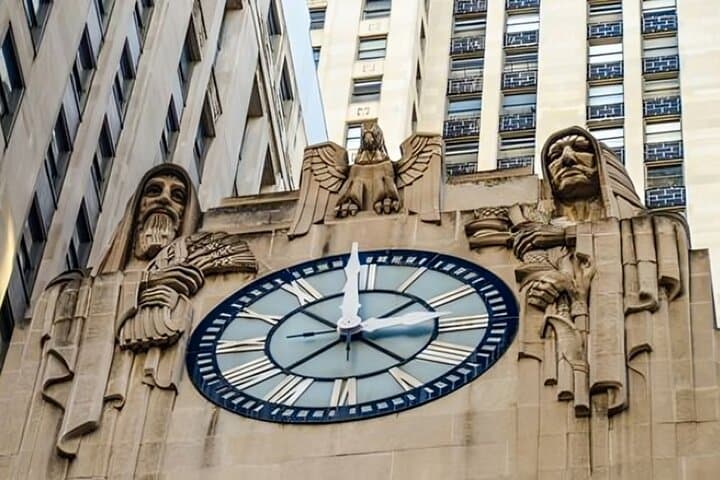
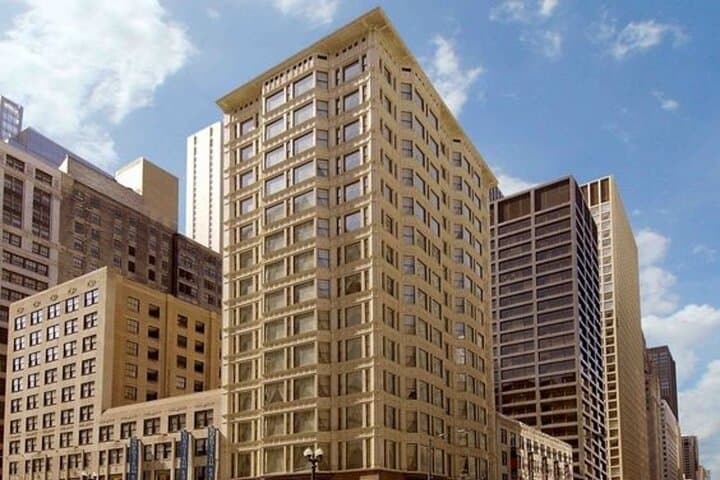
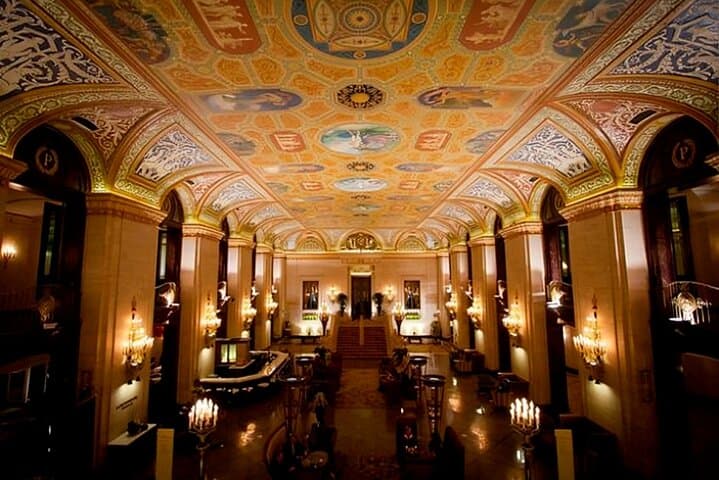
The city opens like a ledger as you step from the Hyatt Place onto a grid of stone and steel — sunlight slashing across limestone façades, the Chicago River threading green through the block. Your guide sets the pace, pointing out a carved frieze here, an angular cornice there, and a spiral staircase that sends light down into a lobby the way a pocket watch holds a secret.
The city opens like a ledger as you step from the Hyatt Place onto a grid of stone and steel — sunlight slashing across limestone façades, the Chicago River threading green through the block. Your guide sets the pace, pointing out a carved frieze here, an angular cornice there, and a spiral staircase that sends light down into a lobby the way a pocket watch holds a secret.
Chicago’s Art Deco pulse arrived in the 1920s as industry and design collided; architects used new materials and ornament to celebrate commerce and motion. Concrete, terra cotta and stylized classical motifs give the Loop a readable geology: a vertical city built from Midwestern clays and industrial ambition. Along the route you’ll hear about the Chicago School’s earlier steel-frame innovations, the Jazz Age commissions that gilded bank lobbies, and the social currents that made this a proving ground for modern urban style.
The tour is private and adaptable — useful if you want the financial district’s hard lines or the softer riverfront views. It doesn’t include entry into monuments, but it does equip you to recognize architects and architectural language, and to understand why preservation matters to a skyline that keeps remaking itself.
Practical guidance: expect two hours of flat walking on sidewalks — 1.5–2.5 miles depending on customization. Wear city walking shoes, bring a water bottle, and time your tour for morning light or a late-afternoon golden hour when façades warm. Public transit drops you close; the route is wheelchair accessible with some curb cuts and crosswalks to navigate. Ask your guide to point out less obvious details so you leave with both addresses and stories.