THE ADVENTURE COLLECTIVE® · Independent discovery and booking for outdoor travel

Walk the streets where Al Capone once moved and discover Chicago’s Prohibition-era underworld on a focused, one-hour guided tour. Expect a mix of archival history, urban geology, and clear directions on where to look and why it mattered.
Walk the streets where Al Capone once moved and discover Chicago’s Prohibition-era underworld on a focused, one-hour guided tour. Expect a mix of archival history, urban geology, and clear directions on where to look and why it mattered.
A brisk spring wind off Lake Michigan cuts through Michigan Avenue as your guide gathers the group outside the South Garden of the Art Institute. Voices drop as the city’s polished facades give way to stories of speakeasies, backroom deals and the crackle of Prohibition-era radios; pavement becomes a timeline where each corner keeps a secret.
Verified experiences and guided adventures in the surrounding area.
Operated by Windy City Ghosts By US Ghost Adventures · Chicago, Illinois
A brisk spring wind off Lake Michigan cuts through Michigan Avenue as your guide gathers the group outside the South Garden of the Art Institute. Voices drop as the city’s polished facades give way to stories of speakeasies, backroom deals and the crackle of Prohibition-era radios; pavement becomes a timeline where each corner keeps a secret.
Chicago’s gangster era is recent enough to be photographed and old enough to feel mythic. The tour traces sites tied to Al Capone, the 1920s bootlegging economy and the violent clashes over the Unione Siciliana. Geologically the route sits on glacial lakeplain soil carved by retreating ice and defined by Lake Michigan’s shoreline — flat streets that made swift getaways and fast confrontations possible in the age before modern highways.
Culturally, these stories mirror Chicago’s waves of immigration and political reform: neighborhood clubs doubled as social halls and undercover operations. Guides connect newspaper accounts, court records and building façades to sketch a clearer picture of who benefited and who paid with their lives.
Practical guidance: expect roughly 1 hour of walking on paved city sidewalks with frequent stops; wear supportive shoes and a light jacket for lakeside gusts. Bring water and a charged phone for photos and maps. Morning tours avoid crowds and higher summer humidity.
The experience is part history lesson, part true-crime walk: factual, paced, and focused on how the city’s built environment shaped and was reshaped by its underworld. It’s an urban walk that asks you to look closely at storefronts and façades — the city keeps its stories visible if you know how to read them.
easy.
1 hour.
Suitable for most fitness levels; requires standing and walking for the duration
The tour lasts about 60 minutes of walking with multiple short stops at historic sites.
Meet outside the South Garden of the Art Institute of Chicago; the guide will wear a white Junket t-shirt.
Yes—content includes historical crime stories; parental discretion is advised for younger children.
Yes; several CTA bus lines and the Red/Blue/Purple Line stations are within walking distance of the Art Institute.
Chicago’s gangster era peaked during Prohibition (1920–1933), when bootlegging and organized crime reshaped local politics and business.
This tour emphasizes respectful tourism and preservation of historic façades; avoid touching or climbing on older masonry to protect fragile architecture.
Windy City Ghosts By US Ghost Adventures operates guided outdoor trips and adventures with an emphasis on safety, stewardship, and memorable experiences.
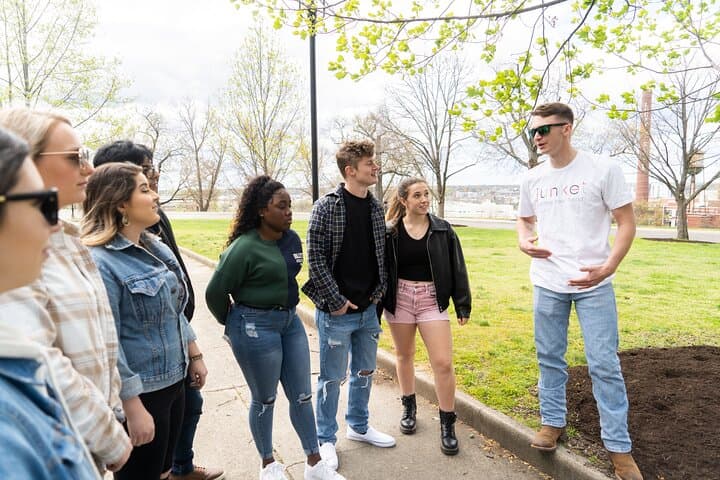
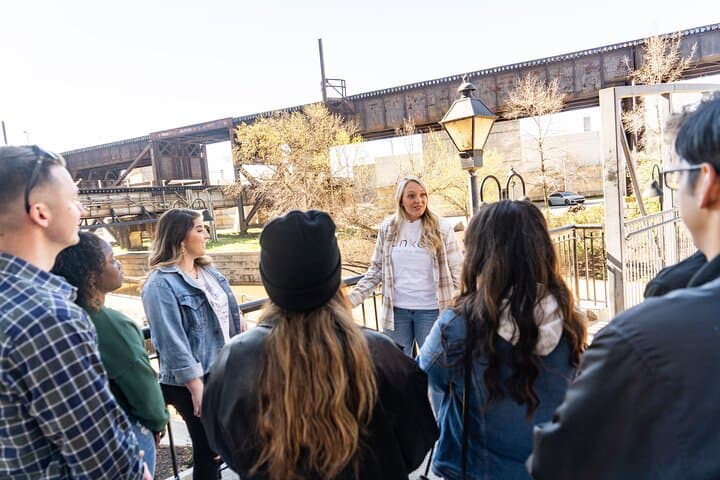
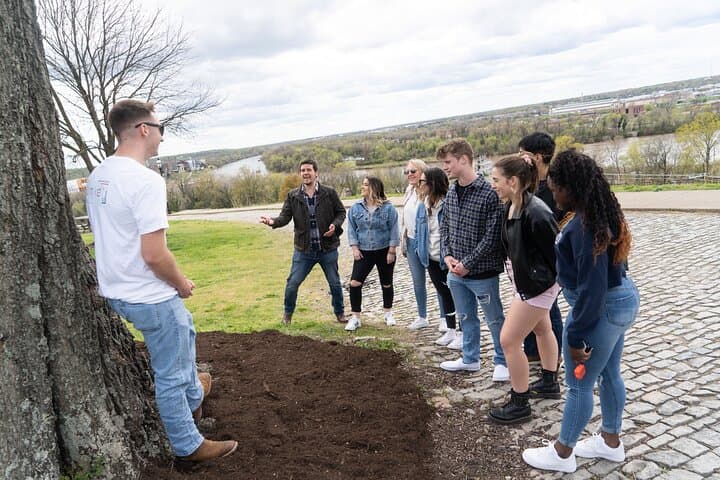
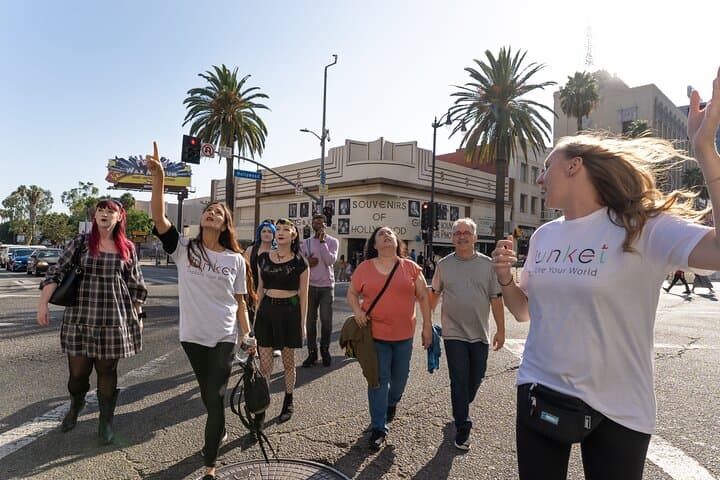
A brisk spring wind off Lake Michigan cuts through Michigan Avenue as your guide gathers the group outside the South Garden of the Art Institute. Voices drop as the city’s polished facades give way to stories of speakeasies, backroom deals and the crackle of Prohibition-era radios; pavement becomes a timeline where each corner keeps a secret.
A brisk spring wind off Lake Michigan cuts through Michigan Avenue as your guide gathers the group outside the South Garden of the Art Institute. Voices drop as the city’s polished facades give way to stories of speakeasies, backroom deals and the crackle of Prohibition-era radios; pavement becomes a timeline where each corner keeps a secret.
Chicago’s gangster era is recent enough to be photographed and old enough to feel mythic. The tour traces sites tied to Al Capone, the 1920s bootlegging economy and the violent clashes over the Unione Siciliana. Geologically the route sits on glacial lakeplain soil carved by retreating ice and defined by Lake Michigan’s shoreline — flat streets that made swift getaways and fast confrontations possible in the age before modern highways.
Culturally, these stories mirror Chicago’s waves of immigration and political reform: neighborhood clubs doubled as social halls and undercover operations. Guides connect newspaper accounts, court records and building façades to sketch a clearer picture of who benefited and who paid with their lives.
Practical guidance: expect roughly 1 hour of walking on paved city sidewalks with frequent stops; wear supportive shoes and a light jacket for lakeside gusts. Bring water and a charged phone for photos and maps. Morning tours avoid crowds and higher summer humidity.
The experience is part history lesson, part true-crime walk: factual, paced, and focused on how the city’s built environment shaped and was reshaped by its underworld. It’s an urban walk that asks you to look closely at storefronts and façades — the city keeps its stories visible if you know how to read them.