THE ADVENTURE COLLECTIVE® · Independent discovery and booking for outdoor travel

Walk the Loop and River North on a self-guided chocolate scavenger hunt using the eATLAS app. Learn Chicago’s candy history, visit eight tasty stops, and complete clues at your own pace.
Walk the Loop and River North on a self-guided chocolate scavenger hunt using the eATLAS app. Learn Chicago’s candy history, visit eight tasty stops, and complete clues at your own pace.
You step off the El into a brisk Chicago corridor where brick facades and glass towers trade places with the scent of cocoa wafting from storefronts. The city’s streets become a scavenger map: clues on your phone point you down alleyways, past public art, and into small shops where chocolate takes center stage. The Loop and River North compress a century of confectionery history into eight stops you’ll navigate at your own pace.
Verified experiences and guided adventures in the surrounding area.
Operated by eATLAS · Chicago, IL
You step off the El into a brisk Chicago corridor where brick facades and glass towers trade places with the scent of cocoa wafting from storefronts. The city’s streets become a scavenger map: clues on your phone point you down alleyways, past public art, and into small shops where chocolate takes center stage. The Loop and River North compress a century of confectionery history into eight stops you’ll navigate at your own pace.
Chicago earned the nickname “Candy Capital of the World” through factories and inventors who shaped American sweets; the 1893 World’s Fair was a turning point when chocolatiers showcased new techniques. The urban geology here is manmade—raised sidewalks, freight corridors, and riverfront fills—so expect lots of short blocks and stair crossings rather than wilderness. Culture in these neighborhoods is equally layered: old industrial footprints, boutique chocolatiers, and a steady stream of office workers and tourists.
Practical guidance: download the eATLAS app, charge your phone, and plan 2 hours between 11:00–17:00 when most shops are open. Wear comfortable walking shoes for pavement and occasional building steps; keep a re-usable water bottle and small change if you decide to buy samples. Mobility-access notes on the tour indicate wheelchair-accessible routes, but check individual shops for doorway thresholds.
Timing matters—weekday afternoons are quieter, weekends busier. Keep an eye on the leaderboard if you want a competitive angle, and respect shop policies: you can complete the hunt without purchasing, though tasting is the obvious incentive.
easy.
2 hours.
Light walking fitness; suitable for most people who can manage 2–3 miles of urban walking
No — the scavenger hunt can be completed by following clues and answering prompts; purchases are optional if you want samples.
The tour and many stops are marked wheelchair accessible, but accessibility can vary by storefront—check specific shop entrances as you go.
After booking, download the eATLAS app, redeem your access code, then open the Chicago Chocolate Scavenger Hunt to begin at any time within the recommended hours.
Yes — the app lets you pause and restart the adventure so you can take breaks or split the route across a day.
Chicago grew into a confectionery hub after the 19th century; the 1893 World’s Fair and local manufacturers helped cement its candy-industry reputation.
Support local businesses and avoid single-use packaging when possible; carry out wrappers and compost any organic waste to reduce litter in busy commercial streets.
eATLAS operates guided outdoor trips and adventures with an emphasis on safety, stewardship, and memorable experiences.
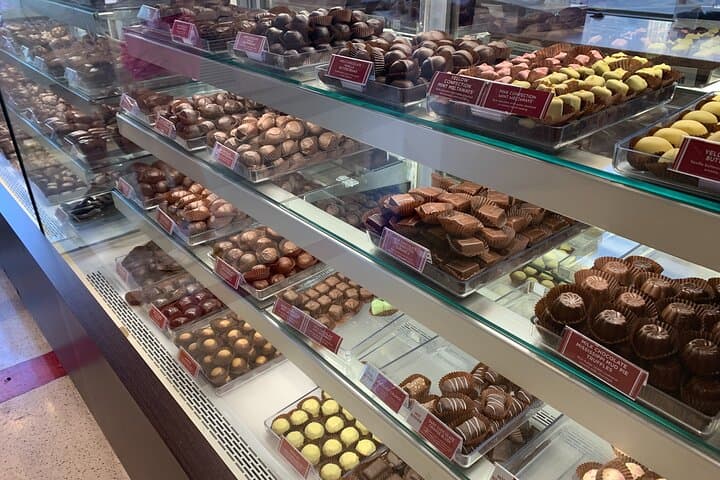
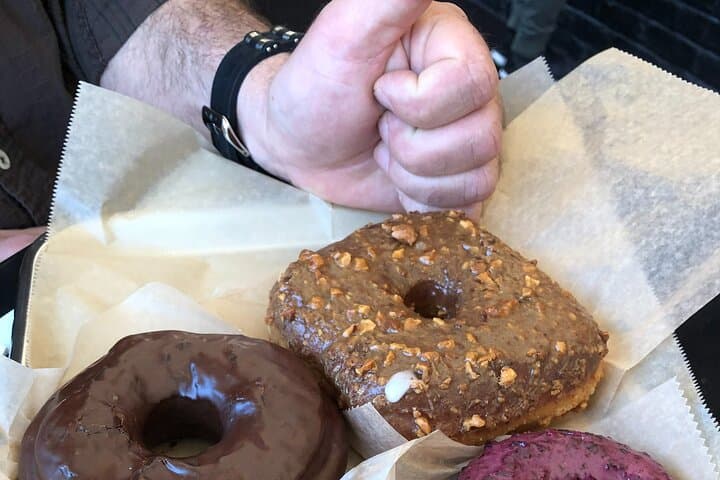
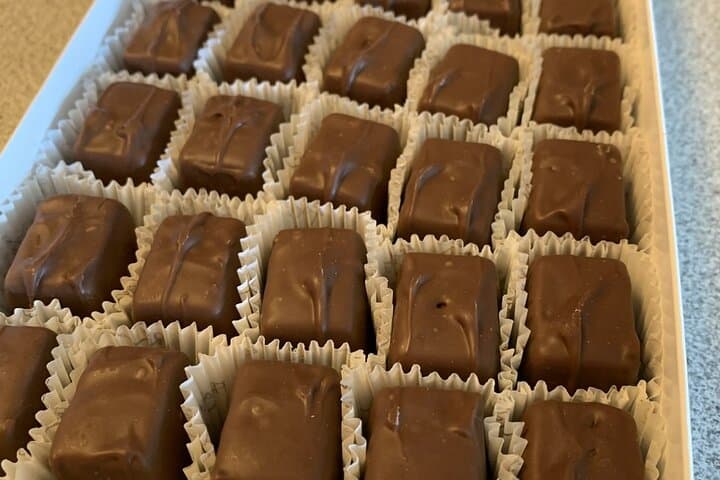
You step off the El into a brisk Chicago corridor where brick facades and glass towers trade places with the scent of cocoa wafting from storefronts. The city’s streets become a scavenger map: clues on your phone point you down alleyways, past public art, and into small shops where chocolate takes center stage. The Loop and River North compress a century of confectionery history into eight stops you’ll navigate at your own pace.
You step off the El into a brisk Chicago corridor where brick facades and glass towers trade places with the scent of cocoa wafting from storefronts. The city’s streets become a scavenger map: clues on your phone point you down alleyways, past public art, and into small shops where chocolate takes center stage. The Loop and River North compress a century of confectionery history into eight stops you’ll navigate at your own pace.
Chicago earned the nickname “Candy Capital of the World” through factories and inventors who shaped American sweets; the 1893 World’s Fair was a turning point when chocolatiers showcased new techniques. The urban geology here is manmade—raised sidewalks, freight corridors, and riverfront fills—so expect lots of short blocks and stair crossings rather than wilderness. Culture in these neighborhoods is equally layered: old industrial footprints, boutique chocolatiers, and a steady stream of office workers and tourists.
Practical guidance: download the eATLAS app, charge your phone, and plan 2 hours between 11:00–17:00 when most shops are open. Wear comfortable walking shoes for pavement and occasional building steps; keep a re-usable water bottle and small change if you decide to buy samples. Mobility-access notes on the tour indicate wheelchair-accessible routes, but check individual shops for doorway thresholds.
Timing matters—weekday afternoons are quieter, weekends busier. Keep an eye on the leaderboard if you want a competitive angle, and respect shop policies: you can complete the hunt without purchasing, though tasting is the obvious incentive.