THE ADVENTURE COLLECTIVE® · Independent discovery and booking for outdoor travel

A private two-hour walking tour through Chicago’s downtown arts and architecture highlights — from the Tiffany dome at the Cultural Center to Millennium Park’s public artworks. Ideal for small groups who want a focused, flexible cultural walk.
A private two-hour walking tour through Chicago’s downtown arts and architecture highlights — from the Tiffany dome at the Cultural Center to Millennium Park’s public artworks. Ideal for small groups who want a focused, flexible cultural walk.
You step out onto the Loop pavement and the city opens like a gallery: sunlight skimming off the Bean, the measured coil of Calder’s sculpture, and the hush under a Tiffany dome that feels almost cathedral-like.
Verified experiences and guided adventures in the surrounding area.
Operated by Opatrip.com USA · Chicago, Illinois
You step out onto the Loop pavement and the city opens like a gallery: sunlight skimming off the Bean, the measured coil of Calder’s sculpture, and the hush under a Tiffany dome that feels almost cathedral-like.
This two-hour private walking tour threads Chicago’s civic heart — the Chicago Cultural Center, Millennium Park, Palmer House Hilton, Federal Plaza, the Marquette Building and Daley Plaza — linking late 19th-century ornament with 20th-century modernism and contemporary public art. The Cultural Center’s stained-glass dome and the Marquette Building’s Tiffany mosaics echo the city’s Gilded Age wealth, while Gehry’s Pritzker Pavilion and Picasso’s nameless sculpture mark Chicago’s mid-century and modernist ambitions.
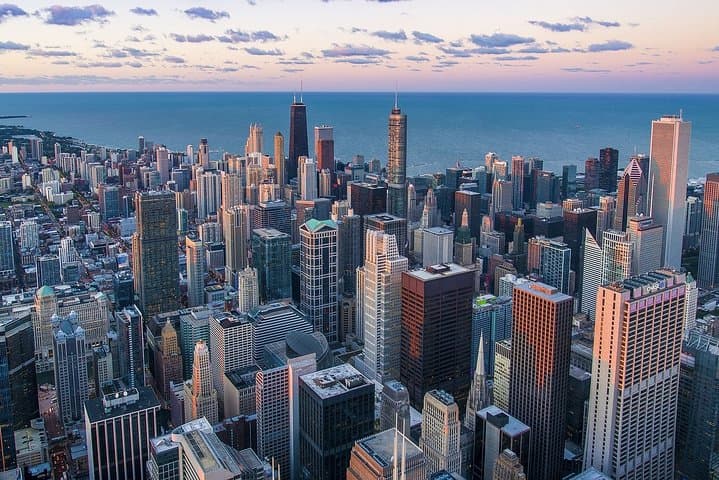
Geology here is urban: landfill and lakeplain allowed a dense core of architecture to rise, and the grid’s right angles frame sweeping sightlines toward Lake Michigan. Culture is public and performative — plazas, parks and hotel lobbies act as living rooms where commuters, musicians and tourists cross paths.
Practical guidance: expect mostly flat, paved walking of roughly 1.5–2 miles total with frequent stops; comfortable walking shoes and a light waterproof layer are useful. Morning or late-afternoon departures reduce crowds and glare for photos. Bring water, a small daypack, and transit fare if you plan to extend your exploration after the tour. The route is accessible to most fitness levels and can be tailored to focus on architecture, public art, or Chicago history for private groups.
This is a compact, sensory introduction to Chicago’s civic arts scene — immediate, walkable and rich with stories you can see as well as hear.
easy.
2 hours.
Suitable for most fitness levels; participants should be able to walk short distances on flat pavement and stand for brief explanations.
The tour runs about two hours and covers roughly 1.5–2 miles of mostly flat, paved city streets with frequent stops.
Yes; the pace is gentle and accessible, but notify the guide of mobility needs so the route can be adjusted if necessary.
No paid admissions are required—this route focuses on public art and indoor lobbies that are generally free to enter.
Yes. As a private tour, the guide can tailor stops to emphasize architectural history, modern sculpture, or Tiffany studio works upon request.
Chicago’s Loop grew rapidly after the Great Chicago Fire (1871), with landmark hotels and commercial buildings reflecting recovery and innovation in design.
High foot traffic stresses historic interiors and plazas—respect barriers, avoid touching fragile mosaics, and dispose of litter to protect civic art.
Opatrip.com USA operates guided outdoor trips and adventures with an emphasis on safety, stewardship, and memorable experiences.
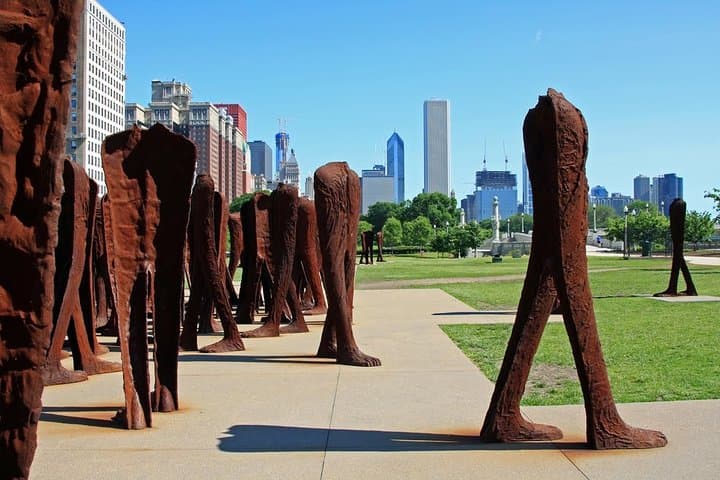
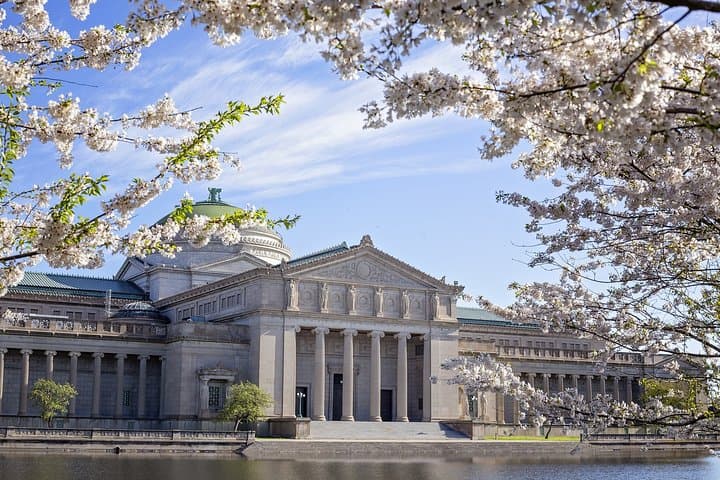
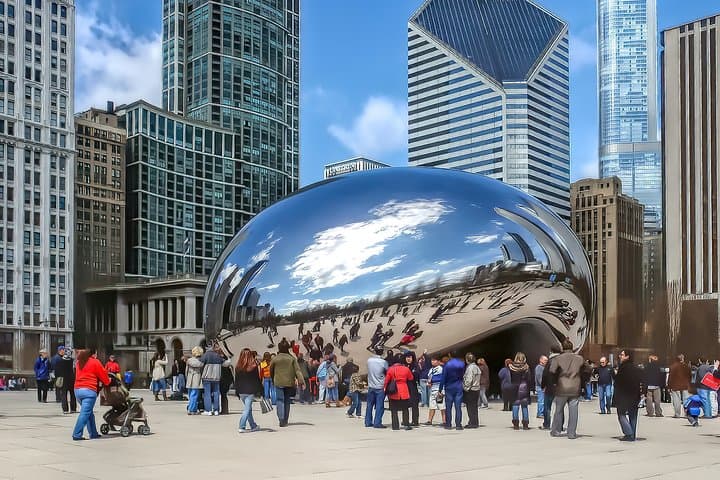
You step out onto the Loop pavement and the city opens like a gallery: sunlight skimming off the Bean, the measured coil of Calder’s sculpture, and the hush under a Tiffany dome that feels almost cathedral-like.
You step out onto the Loop pavement and the city opens like a gallery: sunlight skimming off the Bean, the measured coil of Calder’s sculpture, and the hush under a Tiffany dome that feels almost cathedral-like.
This two-hour private walking tour threads Chicago’s civic heart — the Chicago Cultural Center, Millennium Park, Palmer House Hilton, Federal Plaza, the Marquette Building and Daley Plaza — linking late 19th-century ornament with 20th-century modernism and contemporary public art. The Cultural Center’s stained-glass dome and the Marquette Building’s Tiffany mosaics echo the city’s Gilded Age wealth, while Gehry’s Pritzker Pavilion and Picasso’s nameless sculpture mark Chicago’s mid-century and modernist ambitions.
Geology here is urban: landfill and lakeplain allowed a dense core of architecture to rise, and the grid’s right angles frame sweeping sightlines toward Lake Michigan. Culture is public and performative — plazas, parks and hotel lobbies act as living rooms where commuters, musicians and tourists cross paths.
Practical guidance: expect mostly flat, paved walking of roughly 1.5–2 miles total with frequent stops; comfortable walking shoes and a light waterproof layer are useful. Morning or late-afternoon departures reduce crowds and glare for photos. Bring water, a small daypack, and transit fare if you plan to extend your exploration after the tour. The route is accessible to most fitness levels and can be tailored to focus on architecture, public art, or Chicago history for private groups.
This is a compact, sensory introduction to Chicago’s civic arts scene — immediate, walkable and rich with stories you can see as well as hear.