THE ADVENTURE COLLECTIVE® · Independent discovery and booking for outdoor travel

Trek through rolling Chianti hills from Florence to Montespertoli, then pause at a historic estate for a guided wine tasting. This moderate 8–9 km route combines vineyard views, light forest tracks and local culinary notes—ideal for travelers who want a hands‑on taste of Tuscany.
Trek through rolling Chianti hills from Florence to Montespertoli, then pause at a historic estate for a guided wine tasting. This moderate 8–9 km route combines vineyard views, light forest tracks and local culinary notes—ideal for travelers who want a hands‑on taste of Tuscany.
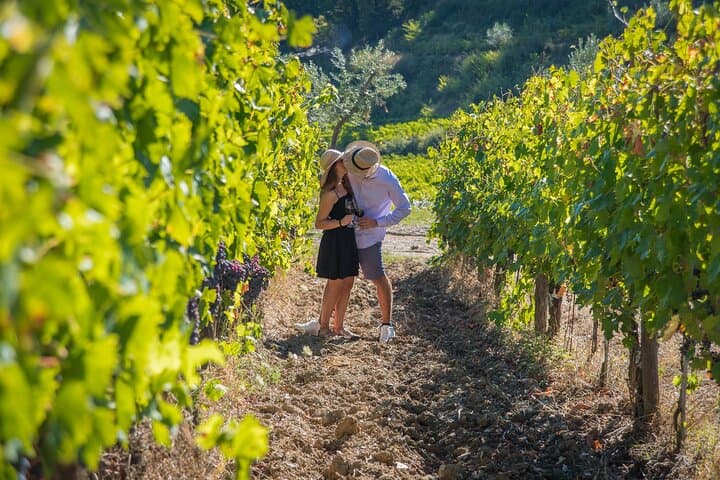
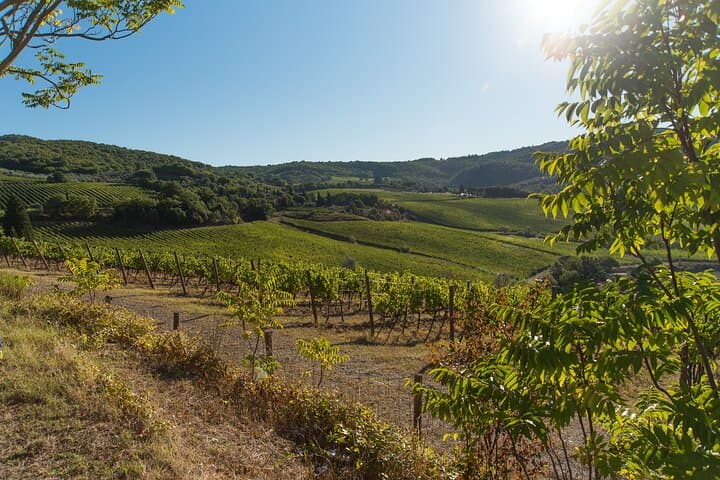
You step off an air‑conditioned van outside a stone farmhouse and the hills of Montespertoli open in a slow ribbon of vineyards and olive trees. The air tastes faintly of leather and fermenting grapes; your guide points out rows of Sangiovese climbing the slope while you settle into the rhythm of a rolling trail.
Verified experiences and guided adventures in the surrounding area.
Operated by Tuscany 4 Explore · Montespertoli, Tuscany
You step off an air‑conditioned van outside a stone farmhouse and the hills of Montespertoli open in a slow ribbon of vineyards and olive trees. The air tastes faintly of leather and fermenting grapes; your guide points out rows of Sangiovese climbing the slope while you settle into the rhythm of a rolling trail.
This route threads through classic Chianti Classico countryside—gentle ridgelines carved from Pliocene clays and limestone, medieval farmsteads perched where soils drain best for vines. The area has been worked for centuries; terraced vineyards and small hilltop castles reflect a culture built around wine, olive oil and market towns that supplied Florence.
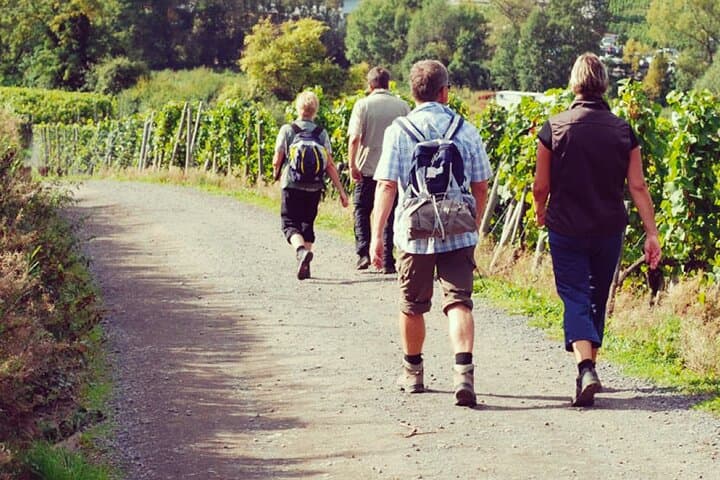
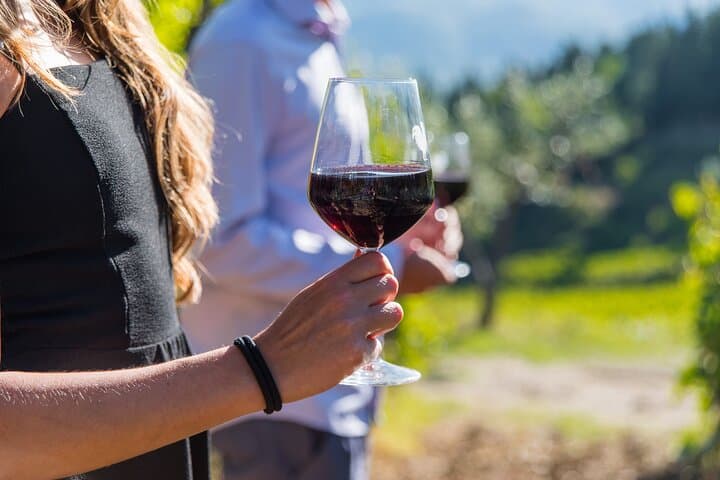
Expect mixed surfaces: crushed stone farm tracks, short forested sections with roots, and groomed vineyard paths. At roughly 8–9 km total, the walk climbs and descends modest hills, with a mid‑point stop at a historic estate or castle for guided wine tastings and light appetizers that showcase local varietals and olive oil.
Practical notes: wear supportive hiking shoes with decent tread and bring a light daypack for water, sunscreen and a jacket. The best light is morning and late afternoon for cooler hiking and clearer views; summers can be hot, springs bring wildflowers, and autumn is harvest season with extra activity at the estates. Photographs are plentiful—leave extra space on your camera and respect private vines. The route is moderate fitness friendly but includes uneven footing and short climbs.
This day is as much about slow observation—soil, vines, and the seasonal work of wine— as it is about the tasting. Pace yourself, hydrate between sips, and enjoy a distinctly Tuscan afternoon.
moderate.
6–7 hours.
Moderately fit: able to walk 8–9 km over rolling terrain and short climbs without assistance
The walking section covers about 8–9 km and takes roughly 2.5–3.5 hours depending on pace and stops.
Yes—sampling several local wines and light snacks at a historic estate are included in the tour.
Yes—this route is suitable for hikers with moderate fitness; it has no technical climbing but includes uneven terrain.
Yes—private transport from Florence to Montespertoli and back is included in the itinerary.
Montespertoli sits in the heart of Chianti Classico; vineyards and hillforts here record a medieval network that supplied Florence and shaped local agricultural practices.
Many estates follow integrated viticulture to reduce chemical inputs; stick to trails, avoid trampling vines and dispose of waste to protect fragile soils and habitats.
Tuscany 4 Explore operates guided outdoor trips and adventures with an emphasis on safety, stewardship, and memorable experiences.
You step off an air‑conditioned van outside a stone farmhouse and the hills of Montespertoli open in a slow ribbon of vineyards and olive trees. The air tastes faintly of leather and fermenting grapes; your guide points out rows of Sangiovese climbing the slope while you settle into the rhythm of a rolling trail.
You step off an air‑conditioned van outside a stone farmhouse and the hills of Montespertoli open in a slow ribbon of vineyards and olive trees. The air tastes faintly of leather and fermenting grapes; your guide points out rows of Sangiovese climbing the slope while you settle into the rhythm of a rolling trail.
This route threads through classic Chianti Classico countryside—gentle ridgelines carved from Pliocene clays and limestone, medieval farmsteads perched where soils drain best for vines. The area has been worked for centuries; terraced vineyards and small hilltop castles reflect a culture built around wine, olive oil and market towns that supplied Florence.
Expect mixed surfaces: crushed stone farm tracks, short forested sections with roots, and groomed vineyard paths. At roughly 8–9 km total, the walk climbs and descends modest hills, with a mid‑point stop at a historic estate or castle for guided wine tastings and light appetizers that showcase local varietals and olive oil.
Practical notes: wear supportive hiking shoes with decent tread and bring a light daypack for water, sunscreen and a jacket. The best light is morning and late afternoon for cooler hiking and clearer views; summers can be hot, springs bring wildflowers, and autumn is harvest season with extra activity at the estates. Photographs are plentiful—leave extra space on your camera and respect private vines. The route is moderate fitness friendly but includes uneven footing and short climbs.
This day is as much about slow observation—soil, vines, and the seasonal work of wine— as it is about the tasting. Pace yourself, hydrate between sips, and enjoy a distinctly Tuscan afternoon.