THE ADVENTURE COLLECTIVE® · Independent discovery and booking for outdoor travel

Spend a relaxed day leaving Florence behind for Chianti’s gentle hills: private van transport, visits to medieval villages, and tastings at small organic wineries. This full-day tour blends cultural stops with hands-on cellar visits and local food pairings.
Spend a relaxed day leaving Florence behind for Chianti’s gentle hills: private van transport, visits to medieval villages, and tastings at small organic wineries. This full-day tour blends cultural stops with hands-on cellar visits and local food pairings.
The van eases out of Florence and the city stone exhales; vineyards begin to braid the hills, rows leaning into sunlight as if daring you to keep up. Over the next eight hours the private luxury van threads quiet country roads, stopping in compact medieval villages and family-run estates where cellars are low and stories run deep.
Verified experiences and guided adventures in the surrounding area.
Operated by Chianti Drivers private tours · Greve in Chianti, Tuscany
The van eases out of Florence and the city stone exhales; vineyards begin to braid the hills, rows leaning into sunlight as if daring you to keep up. Over the next eight hours the private luxury van threads quiet country roads, stopping in compact medieval villages and family-run estates where cellars are low and stories run deep.
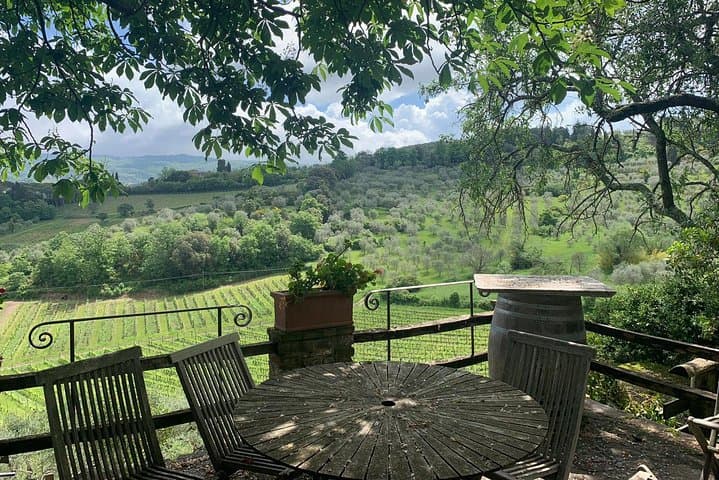
Chianti’s rolling hills are a product of Pliocene clay and marine sediments uplifted and sculpted by millennia of erosion; terraces and stone walls follow that geology closely, creating microclimates for Sangiovese. The region’s history mixes Etruscan roots, medieval castles, and later the formalization of Chianti Classico in the 18th and 19th centuries — expect to hear local tales from drivers who double as cultural guides.
You’ll visit Greve and Montefioralle, stroll narrow stone streets, and taste wines at small organic producers and traditional family farms that often also make olive oil and grappa. Tastings here are hands-on: producers explain harvest, fermentation, and why clay-limestone soils yield the tannins you taste.
Practically, this is an easy, low-impact day: most walking is on village cobbles and short farm tracks. Bring closed-toe shoes for cellar stairs, a light jacket for windy ridge stops, and a reusable water bottle to stay hydrated between tastings. Plan for a late return to Florence; allow extra time for traffic and savor the small vineyards — they’re the reason you came.
easy.
8 hours.
Suitable for most people with basic mobility; expect short walks on uneven surfaces.
The tour lasts about eight hours and typically departs from Florence; private pickup and drop-off are included.
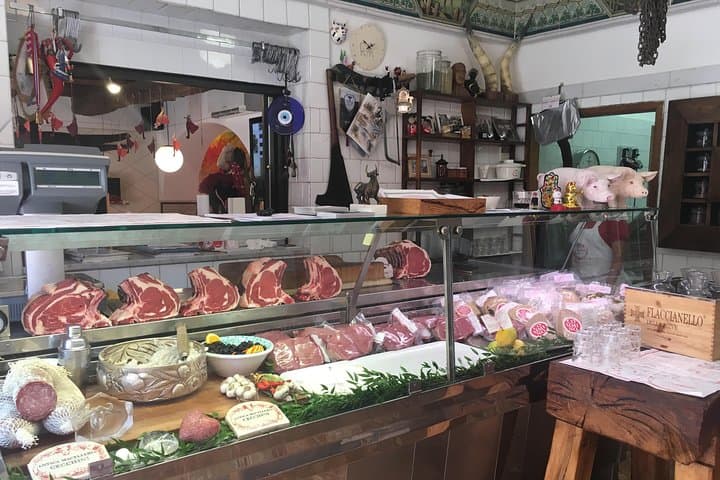
Tastings at selected small producers are included; some stops may offer light local snacks or an optional lunch paired with wines.
Yes—children and non-drinkers can join; drivers can arrange alternative activities and infrequent tasters for non-drinkers.
Yes, the private format allows the driver to tailor winery visits, villages, and timing based on preferences discussed at pickup.
Chianti’s wine identity grew out of medieval trade routes and later royal and agricultural reforms; the Chianti Classico rooster emblem was formalized in the 20th century.
Many small producers in Chianti are moving toward organic and low-intervention winemaking; visitors are encouraged to stick to paths and avoid trampling vine rows.
Chianti Drivers private tours operates guided outdoor trips and adventures with an emphasis on safety, stewardship, and memorable experiences.
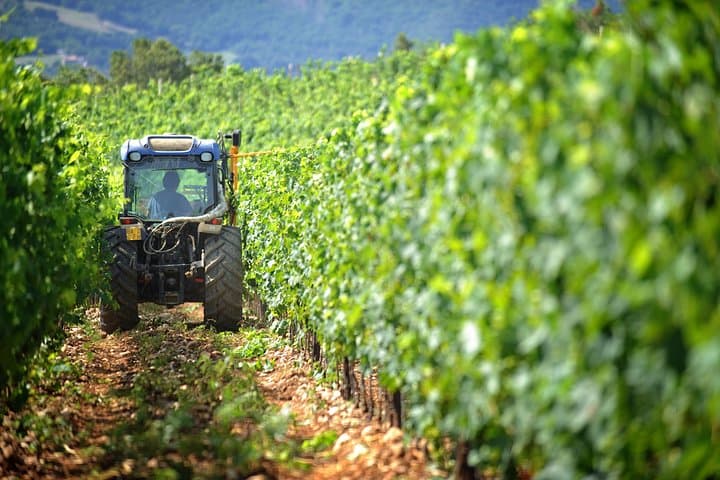
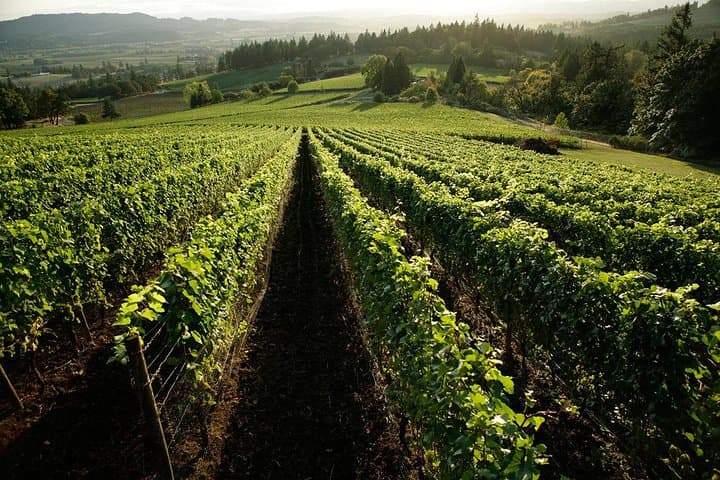
The van eases out of Florence and the city stone exhales; vineyards begin to braid the hills, rows leaning into sunlight as if daring you to keep up. Over the next eight hours the private luxury van threads quiet country roads, stopping in compact medieval villages and family-run estates where cellars are low and stories run deep.
The van eases out of Florence and the city stone exhales; vineyards begin to braid the hills, rows leaning into sunlight as if daring you to keep up. Over the next eight hours the private luxury van threads quiet country roads, stopping in compact medieval villages and family-run estates where cellars are low and stories run deep.
Chianti’s rolling hills are a product of Pliocene clay and marine sediments uplifted and sculpted by millennia of erosion; terraces and stone walls follow that geology closely, creating microclimates for Sangiovese. The region’s history mixes Etruscan roots, medieval castles, and later the formalization of Chianti Classico in the 18th and 19th centuries — expect to hear local tales from drivers who double as cultural guides.
You’ll visit Greve and Montefioralle, stroll narrow stone streets, and taste wines at small organic producers and traditional family farms that often also make olive oil and grappa. Tastings here are hands-on: producers explain harvest, fermentation, and why clay-limestone soils yield the tannins you taste.
Practically, this is an easy, low-impact day: most walking is on village cobbles and short farm tracks. Bring closed-toe shoes for cellar stairs, a light jacket for windy ridge stops, and a reusable water bottle to stay hydrated between tastings. Plan for a late return to Florence; allow extra time for traffic and savor the small vineyards — they’re the reason you came.