THE ADVENTURE COLLECTIVE® · Independent discovery and booking for outdoor travel

Swap Florence’s crowds for Chianti’s hills on a private horseback ride that leads to a medieval olive estate. Finish with an olive oil tasting and a traditional Tuscan lunch—simple, sensory, and ideal for newcomers to the countryside.
Swap Florence’s crowds for Chianti’s hills on a private horseback ride that leads to a medieval olive estate. Finish with an olive oil tasting and a traditional Tuscan lunch—simple, sensory, and ideal for newcomers to the countryside.
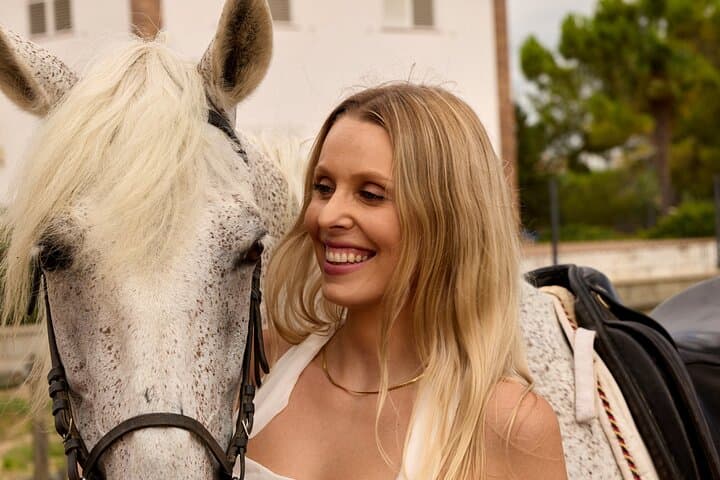
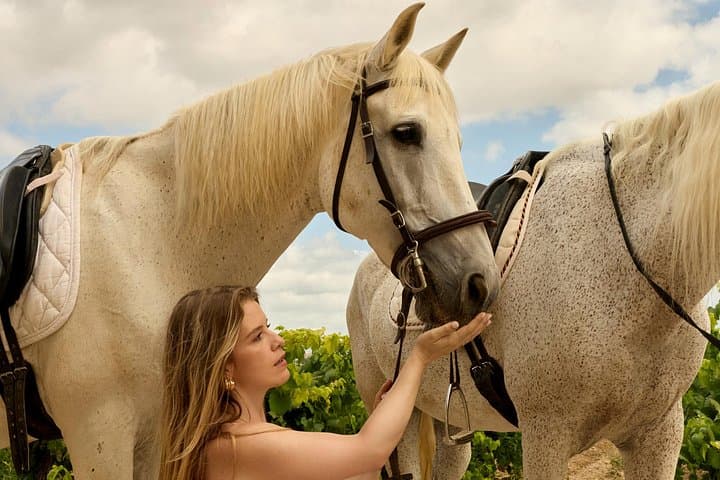
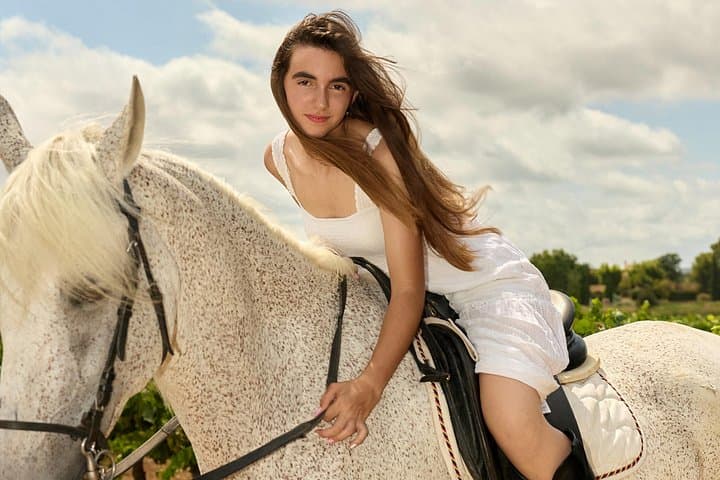
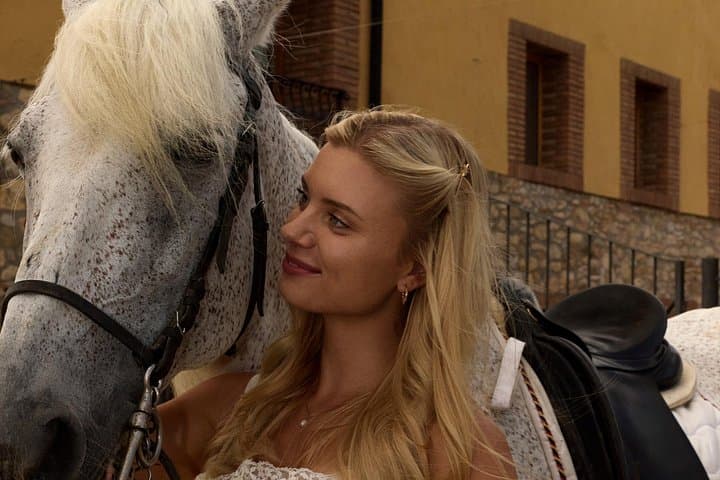
A low-slung van eases out of Florence and the city’s stone palettes give way to a green rhythm: rolling hills, vineyard rows, and terraces of silver-green olive trees. The riding school waits on a country lane; horses nudge the rails, soft breaths steaming on cool mornings, then step off onto dirt tracks that thread through Chianti’s working landscape.
Verified experiences and guided adventures in the surrounding area.
Operated by Sunday Stories · Greve in Chianti, Tuscany
A low-slung van eases out of Florence and the city’s stone palettes give way to a green rhythm: rolling hills, vineyard rows, and terraces of silver-green olive trees. The riding school waits on a country lane; horses nudge the rails, soft breaths steaming on cool mornings, then step off onto dirt tracks that thread through Chianti’s working landscape.
This route follows classic Chianti terrain—gentle climbs of vineyard ridges and short descents into sheltered olive groves—at elevations typically between 200–500 m. Geologically the area is clay-and-limestone hills carved by the Arno’s tributaries; soil and slope make for tight vine rows and narrow farm roads. The olive estate you visit is a medieval manor in the upper Arno valley where centuries-old presses sit beside stainless-steel tanks, showing how tradition and modern milling coexist. Local food culture centers on simple, high-quality ingredients: extra-virgin olive oil, rustic bread, local wine, and honey.
Practicalities: the full experience runs about four hours from Florence, with the mounted portion generally 60–90 minutes on mostly compact dirt and farm tracks—expect modest elevation change and slow-paced gaits suitable for beginners. Bring sturdy closed-toe shoes, a sun hat, and a light jacket for hilltop breezes. Hydrate before and during the outing; riding can feel more physical than walking. Timing mid-morning or late afternoon avoids the hottest hours in summer and gives better light for photos.
This combination of ride, tasting, and lunch is designed to be sensory and straightforward: a short, manageable ride followed by hands-on olive oil insight and a hearty Tuscan meal—accessible to travelers wanting fresh air, local flavor, and simple countryside rhythms.
easy.
4 hours.
Suitable for most adults with basic mobility; participants should be able to mount/dismount and sit in a saddle for up to 90 minutes.
No—this private experience is designed for beginners; instructors guide the group and adjust pace to riders’ comfort.
Yes—private transfer to and from Florence is included in the tour price.
Most riding schools provide helmets and brief safety instruction; confirm in advance if you prefer your own.
Estates typically use local ingredients and can often accommodate common dietary needs if notified at booking—declare restrictions ahead of time.
Chianti grew as a rural production zone in the Middle Ages; many manors began as fortified farmhouses selling oil and wine to nearby cities like Florence.
Choose estates that practice organic or low-input agriculture where possible; stay on marked tracks to avoid damaging young vines and soil.
Sunday Stories operates guided outdoor trips and adventures with an emphasis on safety, stewardship, and memorable experiences.
A low-slung van eases out of Florence and the city’s stone palettes give way to a green rhythm: rolling hills, vineyard rows, and terraces of silver-green olive trees. The riding school waits on a country lane; horses nudge the rails, soft breaths steaming on cool mornings, then step off onto dirt tracks that thread through Chianti’s working landscape.
A low-slung van eases out of Florence and the city’s stone palettes give way to a green rhythm: rolling hills, vineyard rows, and terraces of silver-green olive trees. The riding school waits on a country lane; horses nudge the rails, soft breaths steaming on cool mornings, then step off onto dirt tracks that thread through Chianti’s working landscape.
This route follows classic Chianti terrain—gentle climbs of vineyard ridges and short descents into sheltered olive groves—at elevations typically between 200–500 m. Geologically the area is clay-and-limestone hills carved by the Arno’s tributaries; soil and slope make for tight vine rows and narrow farm roads. The olive estate you visit is a medieval manor in the upper Arno valley where centuries-old presses sit beside stainless-steel tanks, showing how tradition and modern milling coexist. Local food culture centers on simple, high-quality ingredients: extra-virgin olive oil, rustic bread, local wine, and honey.
Practicalities: the full experience runs about four hours from Florence, with the mounted portion generally 60–90 minutes on mostly compact dirt and farm tracks—expect modest elevation change and slow-paced gaits suitable for beginners. Bring sturdy closed-toe shoes, a sun hat, and a light jacket for hilltop breezes. Hydrate before and during the outing; riding can feel more physical than walking. Timing mid-morning or late afternoon avoids the hottest hours in summer and gives better light for photos.
This combination of ride, tasting, and lunch is designed to be sensory and straightforward: a short, manageable ride followed by hands-on olive oil insight and a hearty Tuscan meal—accessible to travelers wanting fresh air, local flavor, and simple countryside rhythms.