THE ADVENTURE COLLECTIVE® · Independent discovery and booking for outdoor travel

Pedal easy roads through Chianti Classico from Gaiole to Castagnoli, visit an 11th‑century castle and taste wines at a multigenerational estate. Ideal for families and novice cyclists who want scenic riding paired with authentic tastings.
Pedal easy roads through Chianti Classico from Gaiole to Castagnoli, visit an 11th‑century castle and taste wines at a multigenerational estate. Ideal for families and novice cyclists who want scenic riding paired with authentic tastings.
The morning opens cool and sharp as you push off from Gaiole in Chianti, pedals turning under a sky that leans blue over rolling vineyards. Cypress-lined lanes and quiet secondary roads guide you past stone farmhouses, terraces of grapevines, and the occasional flock of swallows—each hill revealing another sweep of cultivated slopes and ruined walls that have kept watch for centuries.
Verified experiences and guided adventures in the surrounding area.
Operated by Italy Bike · Gaiole in Chianti, Tuscany
The morning opens cool and sharp as you push off from Gaiole in Chianti, pedals turning under a sky that leans blue over rolling vineyards. Cypress-lined lanes and quiet secondary roads guide you past stone farmhouses, terraces of grapevines, and the occasional flock of swallows—each hill revealing another sweep of cultivated slopes and ruined walls that have kept watch for centuries.
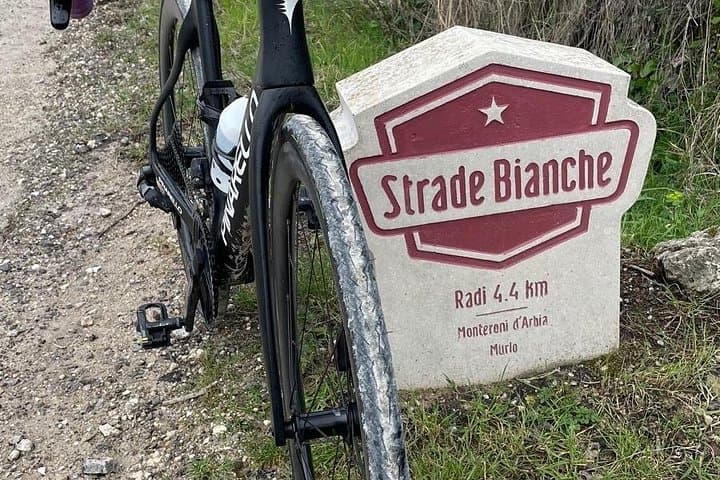
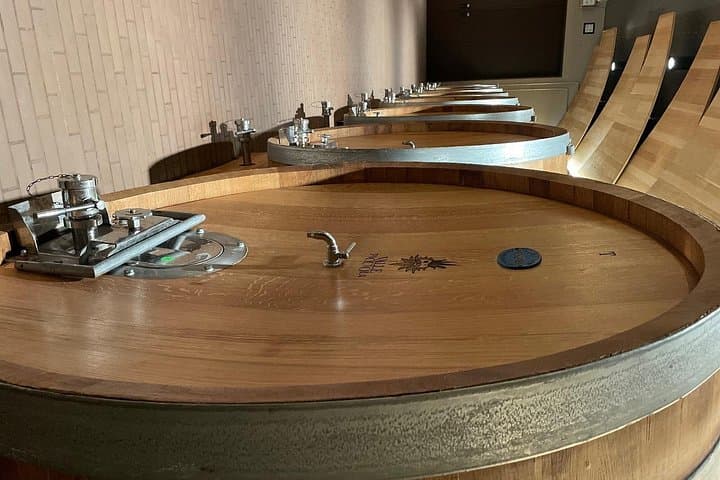
This is Chianti Classico country: a landscape shaped by olive groves, the galestro and alberese soils that give Sangiovese its structure, and a winemaking tradition codified in the 19th century. You follow routes once used by pilgrims and later by racers—L’Eroica’s gravel sections still challenge tires and temper. The route pauses at an 11th‑century castle whose walls tell of feudal borderlands and, today, cellars where a single noble family has tended vines for generations.
Culturally, the ride threads together small villages—Gaiole and Castagnoli—where stone churches and local trattorie keep the region’s rhythms. Geology here insists on slow farming: the thin limestone soils force vines to dig deep, concentrating grapes.
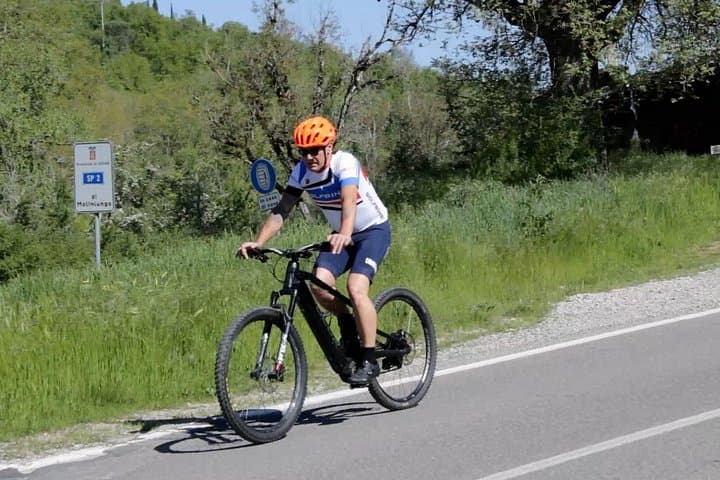
Practical guidance: expect 25–35 km of mixed paved and lightly graveled roads with roughly 300–500 m of cumulative climbing; total tour time runs about six to seven hours including tastings. E-bikes are available and recommended for novice riders or families. Bring sun protection, a refillable water bottle, and a light rain shell—weather can shift quickly. Carry ID for tastings and pace wine sampling if you’ll be cycling afterward. Ride predictably on narrow lanes and yield to agricultural traffic; the views reward the effort, and the wines reward the pause.
easy.
6–7 hours.
Light — suitable for beginners and families; able to pedal 25–35 km with short climbs
E‑bikes are offered as an option—confirm availability when booking and request one if you prefer electric assistance.
Yes; the tour is family-friendly, but children should be comfortable riding for several hours and use appropriately sized bikes or child seats.
Wine tastings at the estate and in Castagnoli are included as described—bring ID and note that excessive drinking while cycling is discouraged.
Basic cycling ability is sufficient; expect mixed surfaces and modest climbs, and choose an e‑bike if you want easier pedaling.
The route runs through territories shaped by medieval castles and winemaking laws that helped define Chianti Classico in the 19th century, with L’Eroica’s vintage cycling legacy still visible on gravel stretches.
Stay on designated roads and respect private vineyards; many estates practice sustainable viticulture—carry out waste and avoid trampling vines.
Italy Bike operates guided outdoor trips and adventures with an emphasis on safety, stewardship, and memorable experiences.
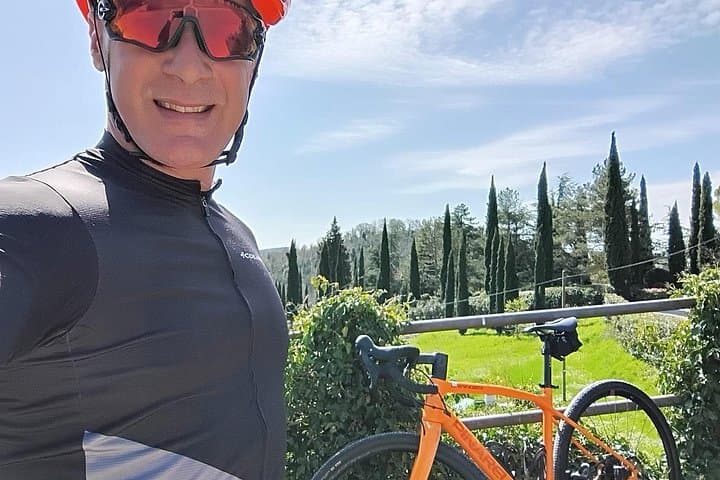
The morning opens cool and sharp as you push off from Gaiole in Chianti, pedals turning under a sky that leans blue over rolling vineyards. Cypress-lined lanes and quiet secondary roads guide you past stone farmhouses, terraces of grapevines, and the occasional flock of swallows—each hill revealing another sweep of cultivated slopes and ruined walls that have kept watch for centuries.
The morning opens cool and sharp as you push off from Gaiole in Chianti, pedals turning under a sky that leans blue over rolling vineyards. Cypress-lined lanes and quiet secondary roads guide you past stone farmhouses, terraces of grapevines, and the occasional flock of swallows—each hill revealing another sweep of cultivated slopes and ruined walls that have kept watch for centuries.
This is Chianti Classico country: a landscape shaped by olive groves, the galestro and alberese soils that give Sangiovese its structure, and a winemaking tradition codified in the 19th century. You follow routes once used by pilgrims and later by racers—L’Eroica’s gravel sections still challenge tires and temper. The route pauses at an 11th‑century castle whose walls tell of feudal borderlands and, today, cellars where a single noble family has tended vines for generations.
Culturally, the ride threads together small villages—Gaiole and Castagnoli—where stone churches and local trattorie keep the region’s rhythms. Geology here insists on slow farming: the thin limestone soils force vines to dig deep, concentrating grapes.
Practical guidance: expect 25–35 km of mixed paved and lightly graveled roads with roughly 300–500 m of cumulative climbing; total tour time runs about six to seven hours including tastings. E-bikes are available and recommended for novice riders or families. Bring sun protection, a refillable water bottle, and a light rain shell—weather can shift quickly. Carry ID for tastings and pace wine sampling if you’ll be cycling afterward. Ride predictably on narrow lanes and yield to agricultural traffic; the views reward the effort, and the wines reward the pause.