THE ADVENTURE COLLECTIVE® · Independent discovery and booking for outdoor travel

Leave Chiang Mai early for an 11–12 hour loop through northern Thailand’s most iconic sites: steaming hot springs, the surreal White Temple, the luminous Blue Temple, the Black House, and a visit to a Karen Long Neck village. Practical advice, cultural notes, and what to pack for a long day on the road.
Leave Chiang Mai early for an 11–12 hour loop through northern Thailand’s most iconic sites: steaming hot springs, the surreal White Temple, the luminous Blue Temple, the Black House, and a visit to a Karen Long Neck village. Practical advice, cultural notes, and what to pack for a long day on the road.
You leave Chiang Mai before sunrise, the minivan threading a ribbon of road through emerald paddy flats and steep, green ridgelines. Clouds cling to the high shoulders of the hills and, after an hour of winding driving, steam rises from a roadside spring where locals coax eggs to a perfect, mineral-rich peel.
Verified experiences and guided adventures in the surrounding area.
Operated by Siam Scape Journeys · Chiang Rai, Chiang Rai
You leave Chiang Mai before sunrise, the minivan threading a ribbon of road through emerald paddy flats and steep, green ridgelines. Clouds cling to the high shoulders of the hills and, after an hour of winding driving, steam rises from a roadside spring where locals coax eggs to a perfect, mineral-rich peel.
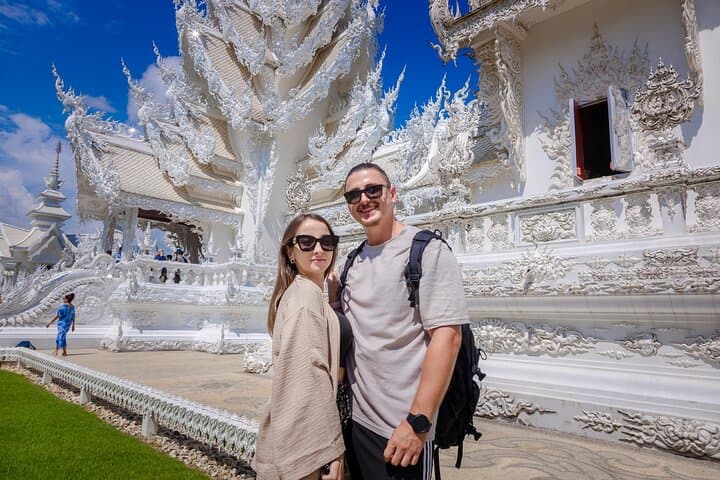
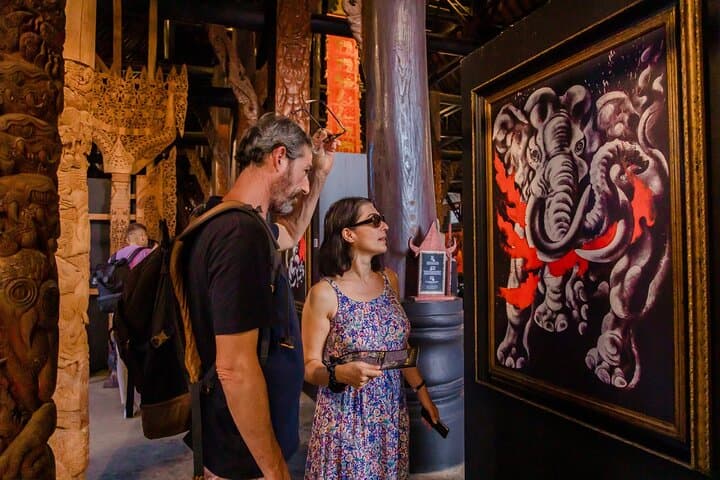
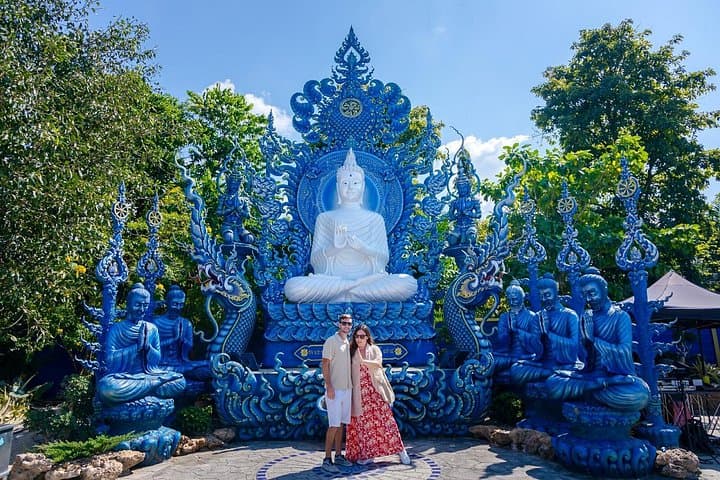
By midmorning the White Temple appears like a modern myth—glistening white mosaics, mirrored glass, and surreal sculptures that blend Buddhist symbolism with contemporary art. Nearby, the Blue Temple throws sapphire walls and gilded details back at the sun; its interior hums with devotional calm. The Black House compounds shift the tone: dark teak buildings and provocative sculptures by Thawan Duchanee that probe life, death, and the Thai imagination.
The afternoon brings a visit to a Karen (Padaung) village where women still wear the distinctive neck rings. The visit is cultural and brief; conversation, handicrafts, and an opportunity to learn about how tradition adapts to tourism.
Geologically, this corner of northern Thailand is folded hills and volcanic-thermal sites—hence the hot springs. Historically, Chiang Rai sits at the edge of the old Lanna kingdom (founded 1262), blending Tai traditions with hill-tribe cultures and modern artistic reinvention.
Practical guidance: it’s an 11–12 hour day with long stretches in a minivan, so bring motion-sickness remedies, a modest temple wardrobe (shoulders and knees covered), closed-toe shoes, cash for small entrance fees and donations, and a refillable water bottle. Expect short walks, steep temple steps, and photo restrictions in some shrines—move deliberately and respectfully.
moderate.
11–12 hours.
Suitable for travelers comfortable with a full day of travel, short walking sections, and stairs; not strenuous but long-duration sitting required.
Most guided itineraries exclude individual temple entrance fees; bring small cash for admissions and donations unless the operator specifies otherwise.
Expect roughly 3–4 hours each way by minivan depending on traffic and stops; the full tour runs about 11–12 hours.
Tours vary—choose operators that prioritize community consent, fair compensation, and restrict exploitative practices; ask how proceeds support the village.
Children aged 3–6 may have child fares per operator policy; infants must sit on a lap and long travel times may be tiring for young kids.
Chiang Rai was founded in 1262 by King Mengrai and later became part of the Lanna kingdom; modern attractions like the White Temple are recent artistic projects blending tradition and contemporary expression.
Respect local communities by declining wildlife products and supporting community-run enterprises; minimize plastic waste and follow rules for photography and access to private village areas.
Siam Scape Journeys operates guided outdoor trips and adventures with an emphasis on safety, stewardship, and memorable experiences.

You leave Chiang Mai before sunrise, the minivan threading a ribbon of road through emerald paddy flats and steep, green ridgelines. Clouds cling to the high shoulders of the hills and, after an hour of winding driving, steam rises from a roadside spring where locals coax eggs to a perfect, mineral-rich peel.
You leave Chiang Mai before sunrise, the minivan threading a ribbon of road through emerald paddy flats and steep, green ridgelines. Clouds cling to the high shoulders of the hills and, after an hour of winding driving, steam rises from a roadside spring where locals coax eggs to a perfect, mineral-rich peel.
By midmorning the White Temple appears like a modern myth—glistening white mosaics, mirrored glass, and surreal sculptures that blend Buddhist symbolism with contemporary art. Nearby, the Blue Temple throws sapphire walls and gilded details back at the sun; its interior hums with devotional calm. The Black House compounds shift the tone: dark teak buildings and provocative sculptures by Thawan Duchanee that probe life, death, and the Thai imagination.
The afternoon brings a visit to a Karen (Padaung) village where women still wear the distinctive neck rings. The visit is cultural and brief; conversation, handicrafts, and an opportunity to learn about how tradition adapts to tourism.
Geologically, this corner of northern Thailand is folded hills and volcanic-thermal sites—hence the hot springs. Historically, Chiang Rai sits at the edge of the old Lanna kingdom (founded 1262), blending Tai traditions with hill-tribe cultures and modern artistic reinvention.
Practical guidance: it’s an 11–12 hour day with long stretches in a minivan, so bring motion-sickness remedies, a modest temple wardrobe (shoulders and knees covered), closed-toe shoes, cash for small entrance fees and donations, and a refillable water bottle. Expect short walks, steep temple steps, and photo restrictions in some shrines—move deliberately and respectfully.