THE ADVENTURE COLLECTIVE® · Independent discovery and booking for outdoor travel

Spend a day tracing the Mekong’s edge, visiting Chiang Saen’s ancient streets, the Hall of Opium and hill‑tribe villages on a private, eight‑hour tour from Chiang Rai. Expect short walks, cultural encounters and sweeping river views.
Spend a day tracing the Mekong’s edge, visiting Chiang Saen’s ancient streets, the Hall of Opium and hill‑tribe villages on a private, eight‑hour tour from Chiang Rai. Expect short walks, cultural encounters and sweeping river views.
You arrive where three countries meet: the Mekong dares you to look over its brown current as Laos and Myanmar sit like distant neighbors across the water. Morning light finds the Golden Triangle rimmed by low, green hills; vendors open stalls and long-tail boats slip along the river while your guide sorts the day’s route.
Verified experiences and guided adventures in the surrounding area.
Operated by Bravo Indochina Tours · Chiang Rai, Chiang Rai Province
You arrive where three countries meet: the Mekong dares you to look over its brown current as Laos and Myanmar sit like distant neighbors across the water. Morning light finds the Golden Triangle rimmed by low, green hills; vendors open stalls and long-tail boats slip along the river while your guide sorts the day’s route.
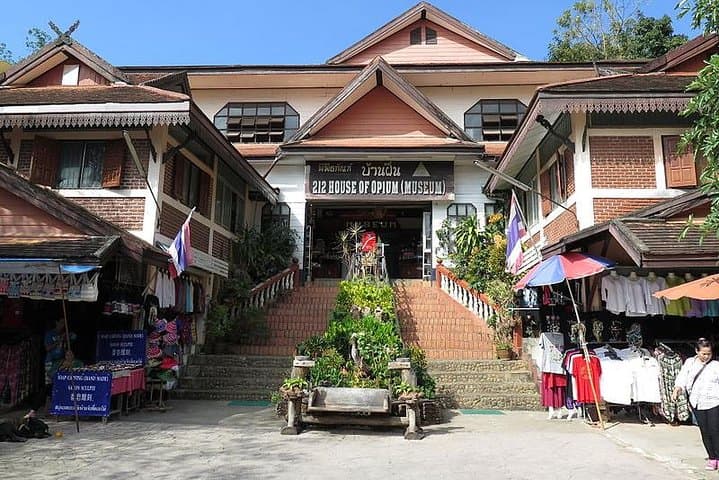
This private tour threads together frontier history and living culture. Chiang Saen, founded in 1260 A.D., preserves riverside ruins and temple façades; the Hall of Opium unpacks the region’s recent economic and social history with large-scale exhibits. Hill-tribe villages—Akha and the so-called Long Neck Karen—offer living culture: traditional dress, wooden houses on stilts and subsistence fields carved from the hillsides. Geologically, the Mekong valley is a fluvial plain edged by older metamorphic hills, which create short, scenic overlooks rather than alpine climbs.
Practical notes: the full-day excursion runs about eight hours with private transport and hotel pickup from Chiang Rai. Stops typically include short walks (often under 1 km) around temple sites, markets and museum halls, so the day is accessible for most fitness levels. Bring a daypack, sun protection and a respectful attitude—photography of some villagers may be restricted. Carry your passport if you hope to approach border checkpoints; actual international crossings are not part of a standard tour. Expect bottled water provided, paved roads between sites and a mix of brief walking and seated driving. Early starts beat the heat and market crowds; late afternoons soften the light for photos over the Mekong.
easy.
8 hours.
Suitable for travelers in normal physical condition; walking is brief and on paved or packed paths.
The tour is approximately eight hours with private transport, bottled water, hotel pickup/dropoff in Chiang Rai, an English‑speaking guide and entrance fees where noted.
Standard itineraries visit border viewpoints but do not include official international crossings; check with the operator if you require a border stamp or crossing arrangement.
Many villages host visitors as a source of income; follow local guidance, ask permission before photographing individuals, and avoid buying items that exploit children or misrepresent culture.
Yes—walking is light and transport is private, but notify the operator of mobility needs so they can tailor stops and timing.
Chiang Saen was an important 13th‑century city-state on the upper Mekong and later a trading node in the Lanna kingdom; the Golden Triangle grew into global notoriety during 20th‑century opium trade and subsequent eradication efforts.
The Hall of Opium focuses on education about the drug trade’s environmental and social impacts; sustainable tourism helps local economies but requires respectful, low‑impact behavior in villages and river habitats.
Bravo Indochina Tours operates guided outdoor trips and adventures with an emphasis on safety, stewardship, and memorable experiences.
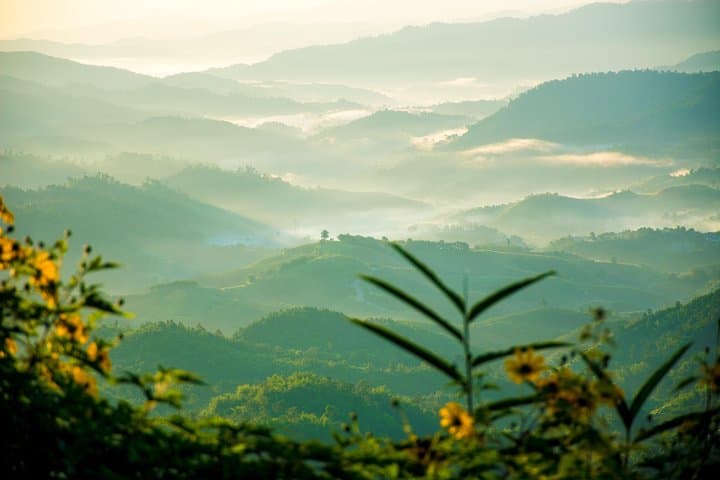
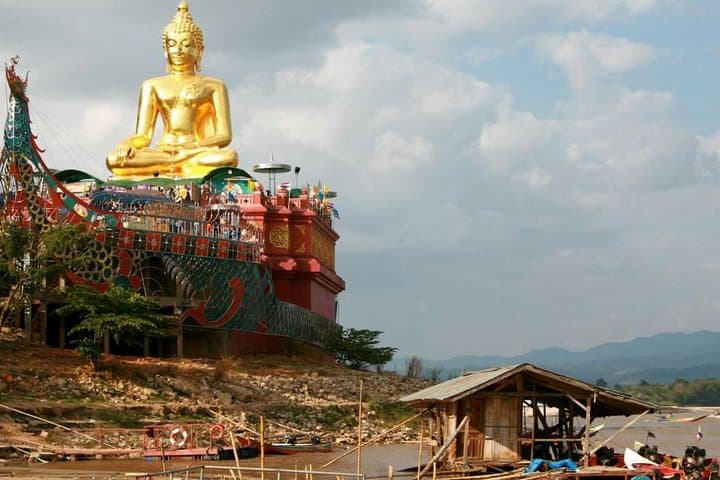

You arrive where three countries meet: the Mekong dares you to look over its brown current as Laos and Myanmar sit like distant neighbors across the water. Morning light finds the Golden Triangle rimmed by low, green hills; vendors open stalls and long-tail boats slip along the river while your guide sorts the day’s route.
You arrive where three countries meet: the Mekong dares you to look over its brown current as Laos and Myanmar sit like distant neighbors across the water. Morning light finds the Golden Triangle rimmed by low, green hills; vendors open stalls and long-tail boats slip along the river while your guide sorts the day’s route.
This private tour threads together frontier history and living culture. Chiang Saen, founded in 1260 A.D., preserves riverside ruins and temple façades; the Hall of Opium unpacks the region’s recent economic and social history with large-scale exhibits. Hill-tribe villages—Akha and the so-called Long Neck Karen—offer living culture: traditional dress, wooden houses on stilts and subsistence fields carved from the hillsides. Geologically, the Mekong valley is a fluvial plain edged by older metamorphic hills, which create short, scenic overlooks rather than alpine climbs.
Practical notes: the full-day excursion runs about eight hours with private transport and hotel pickup from Chiang Rai. Stops typically include short walks (often under 1 km) around temple sites, markets and museum halls, so the day is accessible for most fitness levels. Bring a daypack, sun protection and a respectful attitude—photography of some villagers may be restricted. Carry your passport if you hope to approach border checkpoints; actual international crossings are not part of a standard tour. Expect bottled water provided, paved roads between sites and a mix of brief walking and seated driving. Early starts beat the heat and market crowds; late afternoons soften the light for photos over the Mekong.