THE ADVENTURE COLLECTIVE® · Independent discovery and booking for outdoor travel

Spend a full day trekking from bamboo groves and tea plots to hilltribe villages, finishing with bamboo-cooked lunch and a hot spring soak. This approachable 10–15 km route highlights Chiang Rai’s culture, geology and hands-on food traditions.
Spend a full day trekking from bamboo groves and tea plots to hilltribe villages, finishing with bamboo-cooked lunch and a hot spring soak. This approachable 10–15 km route highlights Chiang Rai’s culture, geology and hands-on food traditions.
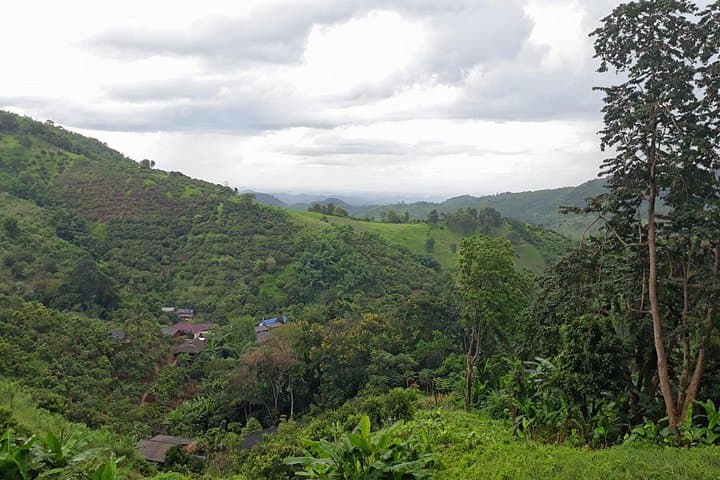
The morning opens under a low, humid sky as a narrow track slips between bamboo shafts and rice paddies, steam rising from the river valleys ahead. Walkers fall into a steady rhythm: a soft crush of leaf litter, the click of a guide’s machete, and the distant sound of water over rocks at Huay Kaew waterfall.
Verified experiences and guided adventures in the surrounding area.
Operated by Yada Travel Chiang Rai · Chiang Rai, Chiang Rai Province
The morning opens under a low, humid sky as a narrow track slips between bamboo shafts and rice paddies, steam rising from the river valleys ahead. Walkers fall into a steady rhythm: a soft crush of leaf litter, the click of a guide’s machete, and the distant sound of water over rocks at Huay Kaew waterfall.
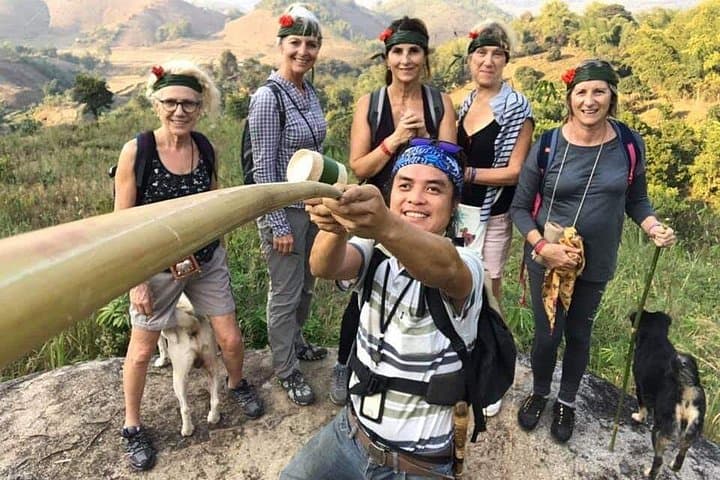
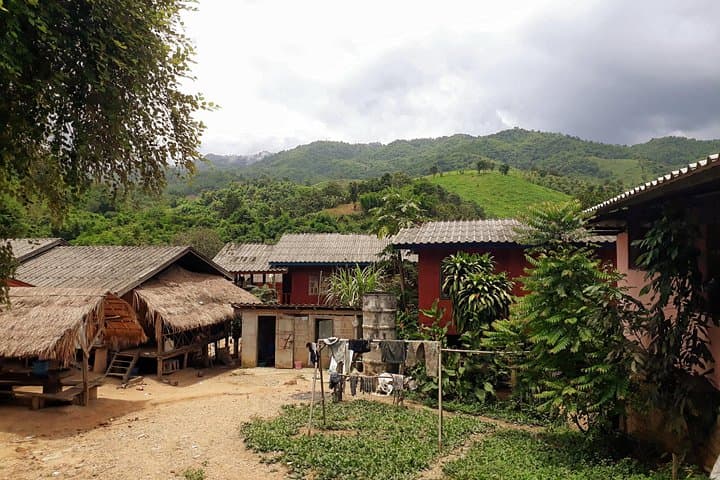
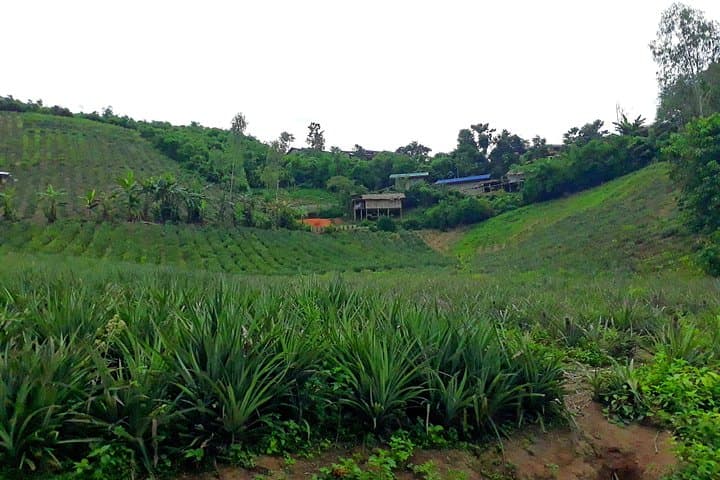
This day trek threads through the highland flank of northern Thailand near the Daen Lao Range, where Chinese tea plots and Lahu and Akha villages mark centuries of migration and cultivation. Geology here is folded shale and sandstone; trails cut along gentle ridgelines and fan down into fertile alluvial terraces. Local culture is practical and hands-on — you’ll see bamboo used for tools, cooking vessels and temporary shelters, and guides who explain village crafts and crop cycles.
Practically: expect 10–15 km of walking (roughly 4–6 hours of movement within an 8-hour day), mostly low-to-moderate gradients on dirt trails, farm tracks and occasional root-strewn sections. The tour typically includes an open-fire bamboo-cooked lunch, a stop at Huay Kaew waterfall for a swim, and a soak in a mineral hot spring to finish.
Bring quick-dry clothes, sturdy footwear, insect protection, and modest attire for visiting villages. Carry water (2–3L depending on heat), a lightweight rain layer in monsoon months, and small cash for village purchases. Start early to avoid midday heat; follow guides’ cultural guidelines and practice Leave No Trace to protect fragile upland communities and waterways.
moderate.
8 hours (full day).
Suitable for hikers with regular walking fitness; expect sustained uphill sections and several hours on uneven terrain
Yes; the tour includes private transportation to trailheads and returns you to your hotel.
Expect roughly 10–15 km of walking, spread over 4–6 hours of movement within an eight-hour tour.
Families are welcome but check with the operator about ages; terrain can be uneven and the day is long for very young children.
Not recommended for people with serious back, heart, or pregnancy-related conditions; advise checking the operator’s specific guidelines before booking.
The area reflects centuries of upland migration—Lahu and Akha communities settled these valleys and adapted agroforestry and tea cultivation traditions still visible today.
Tourism supports village incomes but also increases pressure on water and trails—follow guides’ advice, pack out waste, and avoid disturbing springs and irrigation channels.
Yada Travel Chiang Rai operates guided outdoor trips and adventures with an emphasis on safety, stewardship, and memorable experiences.
The morning opens under a low, humid sky as a narrow track slips between bamboo shafts and rice paddies, steam rising from the river valleys ahead. Walkers fall into a steady rhythm: a soft crush of leaf litter, the click of a guide’s machete, and the distant sound of water over rocks at Huay Kaew waterfall.
The morning opens under a low, humid sky as a narrow track slips between bamboo shafts and rice paddies, steam rising from the river valleys ahead. Walkers fall into a steady rhythm: a soft crush of leaf litter, the click of a guide’s machete, and the distant sound of water over rocks at Huay Kaew waterfall.
This day trek threads through the highland flank of northern Thailand near the Daen Lao Range, where Chinese tea plots and Lahu and Akha villages mark centuries of migration and cultivation. Geology here is folded shale and sandstone; trails cut along gentle ridgelines and fan down into fertile alluvial terraces. Local culture is practical and hands-on — you’ll see bamboo used for tools, cooking vessels and temporary shelters, and guides who explain village crafts and crop cycles.
Practically: expect 10–15 km of walking (roughly 4–6 hours of movement within an 8-hour day), mostly low-to-moderate gradients on dirt trails, farm tracks and occasional root-strewn sections. The tour typically includes an open-fire bamboo-cooked lunch, a stop at Huay Kaew waterfall for a swim, and a soak in a mineral hot spring to finish.
Bring quick-dry clothes, sturdy footwear, insect protection, and modest attire for visiting villages. Carry water (2–3L depending on heat), a lightweight rain layer in monsoon months, and small cash for village purchases. Start early to avoid midday heat; follow guides’ cultural guidelines and practice Leave No Trace to protect fragile upland communities and waterways.