THE ADVENTURE COLLECTIVE® · Independent discovery and booking for outdoor travel

A full‑day cultural loop from Chiang Mai to Chiang Rai that pairs the surreal White Temple with the sapphire Blue Temple, a towering Big Buddha complex, and sprawling tea fields at Singha Park. Expect short guided stops, modest walking, and early pickup.
A full‑day cultural loop from Chiang Mai to Chiang Rai that pairs the surreal White Temple with the sapphire Blue Temple, a towering Big Buddha complex, and sprawling tea fields at Singha Park. Expect short guided stops, modest walking, and early pickup.
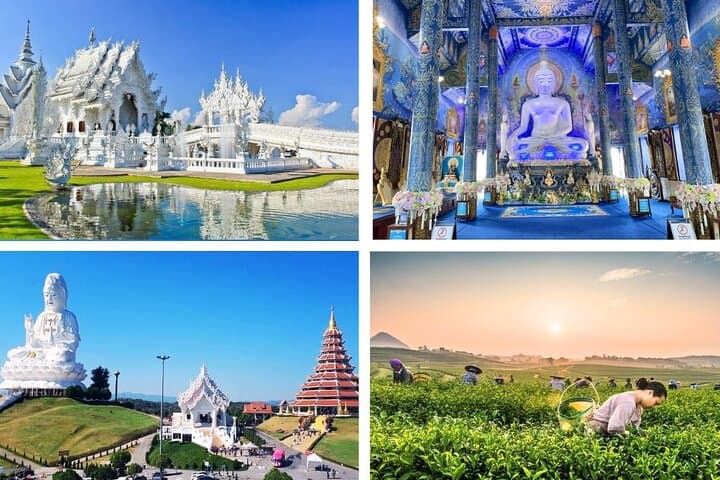
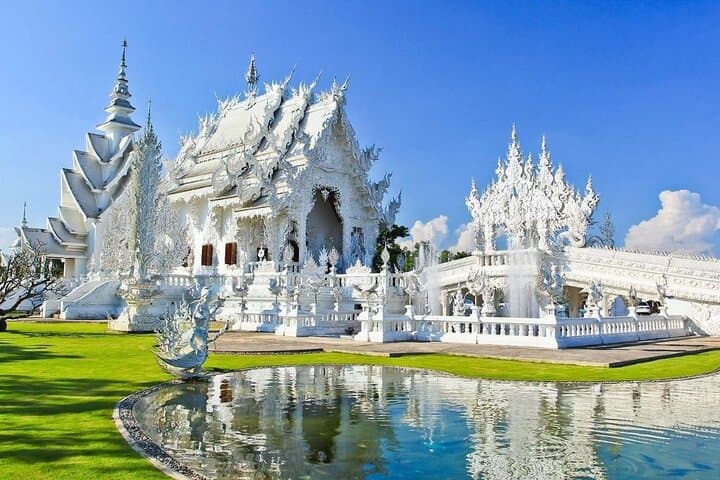
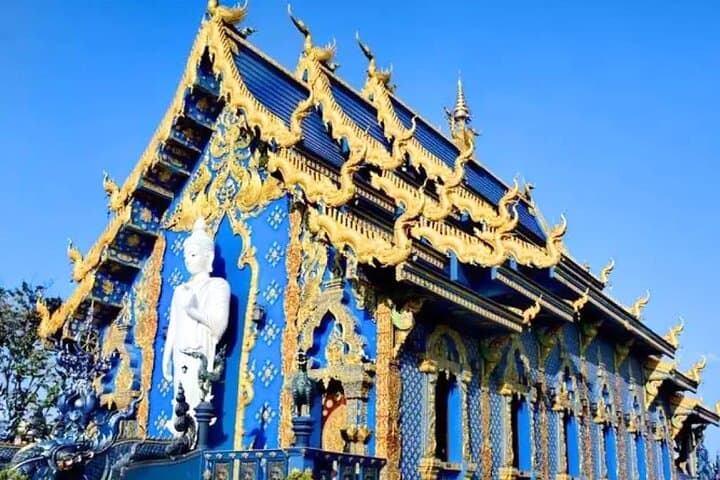
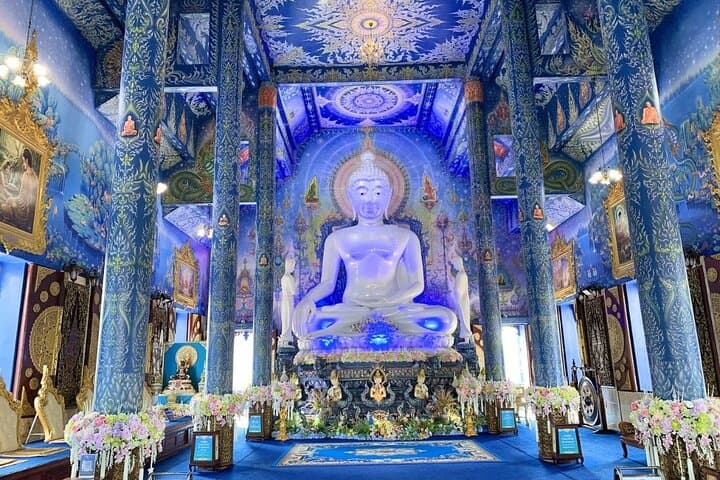
You step off the air‑conditioned van into a glare of white glass and plaster—Wat Rong Khun’s mirrored ridges catching the morning light—then a few hours later the sky deepens to sapphire at the Blue Temple. This full‑day loop through Chiang Rai’s spiritual and agricultural landmarks moves briskly: an artist‑made white shrine, a jewel‑toned blue sanctum, a newly erected nine‑storey pagoda crowned by a giant Buddha, and rolling tea terraces that slope toward a central viewpoint.
Verified experiences and guided adventures in the surrounding area.
Operated by tourhubasia · Chiang Rai, Chiang Rai Province
You step off the air‑conditioned van into a glare of white glass and plaster—Wat Rong Khun’s mirrored ridges catching the morning light—then a few hours later the sky deepens to sapphire at the Blue Temple. This full‑day loop through Chiang Rai’s spiritual and agricultural landmarks moves briskly: an artist‑made white shrine, a jewel‑toned blue sanctum, a newly erected nine‑storey pagoda crowned by a giant Buddha, and rolling tea terraces that slope toward a central viewpoint.
Chiang Rai’s modern temple landscape belongs as much to contemporary artists as to Lanna kings. Wat Rong Khun was rebuilt in the 1990s by local artist Chalermchai Kositpipat; the Blue Temple reflects recent stucco work and color experimentation; Wat Huay Pla Kang mixes Thai and Chinese styles in a complex built for pilgrimage; Singha Park is a commercial‑agropark turned destination showcasing tea cultivation in northern Thailand.
Expect short guided visits—typically 30–45 minutes per stop—ample photo opportunities, and a day that balances culture with light walking. Practical tips: wear modest, easy‑to‑remove shoes for temple entry, bring sun protection for the open tea fields, and carry water for a long day on rural roads. The itinerary usually includes lunch and vehicle transport from Old Town Chiang Mai; pickup is early (around 7:15–7:45 a.m.) and the tour lasts about 11 hours.
Pace your day around the temples’ dress codes, plan for stairs at the pagoda, and allow a few extra minutes at Singha Park’s viewpoint if you want to walk the ridgelines. The route is ideal for travelers seeking cultural contrast—striking modern religious art alongside the quietly ordered rows of tea.
moderate.
11 hours.
Moderate — able to walk short distances, remove shoes, climb stairs, and tolerate several hours in a vehicle.
Yes; the standard tour itinerary lists admission included for the main sites visited, though donations at temples are optional.
Pickup is limited to guests staying in Old Town Chiang Mai, typically between 7:15–7:45 a.m.; confirm exact time and location at booking.
Private or adjusted experiences may be available—contact the operator before booking to arrange a tailored tour.
This full‑day tour is not recommended for pregnant travelers or people with serious spinal or cardiovascular conditions due to vehicle transfers and stair climbs.
Chiang Rai is the northernmost city of the old Lanna kingdom; modern temples like Wat Rong Khun were rebuilt by contemporary artists, blending traditional motifs with new forms.
High visitor numbers can stress delicate temple art and plantation ecosystems—stick to paths, avoid touching mosaics, and support local businesses to keep tourism sustainable.
tourhubasia operates guided outdoor trips and adventures with an emphasis on safety, stewardship, and memorable experiences.
You step off the air‑conditioned van into a glare of white glass and plaster—Wat Rong Khun’s mirrored ridges catching the morning light—then a few hours later the sky deepens to sapphire at the Blue Temple. This full‑day loop through Chiang Rai’s spiritual and agricultural landmarks moves briskly: an artist‑made white shrine, a jewel‑toned blue sanctum, a newly erected nine‑storey pagoda crowned by a giant Buddha, and rolling tea terraces that slope toward a central viewpoint.
You step off the air‑conditioned van into a glare of white glass and plaster—Wat Rong Khun’s mirrored ridges catching the morning light—then a few hours later the sky deepens to sapphire at the Blue Temple. This full‑day loop through Chiang Rai’s spiritual and agricultural landmarks moves briskly: an artist‑made white shrine, a jewel‑toned blue sanctum, a newly erected nine‑storey pagoda crowned by a giant Buddha, and rolling tea terraces that slope toward a central viewpoint.
Chiang Rai’s modern temple landscape belongs as much to contemporary artists as to Lanna kings. Wat Rong Khun was rebuilt in the 1990s by local artist Chalermchai Kositpipat; the Blue Temple reflects recent stucco work and color experimentation; Wat Huay Pla Kang mixes Thai and Chinese styles in a complex built for pilgrimage; Singha Park is a commercial‑agropark turned destination showcasing tea cultivation in northern Thailand.
Expect short guided visits—typically 30–45 minutes per stop—ample photo opportunities, and a day that balances culture with light walking. Practical tips: wear modest, easy‑to‑remove shoes for temple entry, bring sun protection for the open tea fields, and carry water for a long day on rural roads. The itinerary usually includes lunch and vehicle transport from Old Town Chiang Mai; pickup is early (around 7:15–7:45 a.m.) and the tour lasts about 11 hours.
Pace your day around the temples’ dress codes, plan for stairs at the pagoda, and allow a few extra minutes at Singha Park’s viewpoint if you want to walk the ridgelines. The route is ideal for travelers seeking cultural contrast—striking modern religious art alongside the quietly ordered rows of tea.