THE ADVENTURE COLLECTIVE® · Independent discovery and booking for outdoor travel

A full-day run from Chiang Mai to Chiang Rai that packs Wat Rong Khun (the White Temple), the Golden Triangle, a boat trip on the Mekong, and a visit to a Karen Long Neck village. Expect a long, varied day of temples, river views, and cultural encounters.
A full-day run from Chiang Mai to Chiang Rai that packs Wat Rong Khun (the White Temple), the Golden Triangle, a boat trip on the Mekong, and a visit to a Karen Long Neck village. Expect a long, varied day of temples, river views, and cultural encounters.
You drop out of the cool Chiang Mai dawn into an air-conditioned van and the countryside opens—rice fields flatten, limestone ridges puncture the horizon, and the Mekong waits like a broad, slow ribbon downstream.
Verified experiences and guided adventures in the surrounding area.
Operated by Sightseeing Chiang Mai · Chiang Rai, Chiang Rai Province
You drop out of the cool Chiang Mai dawn into an air-conditioned van and the countryside opens—rice fields flatten, limestone ridges puncture the horizon, and the Mekong waits like a broad, slow ribbon downstream.
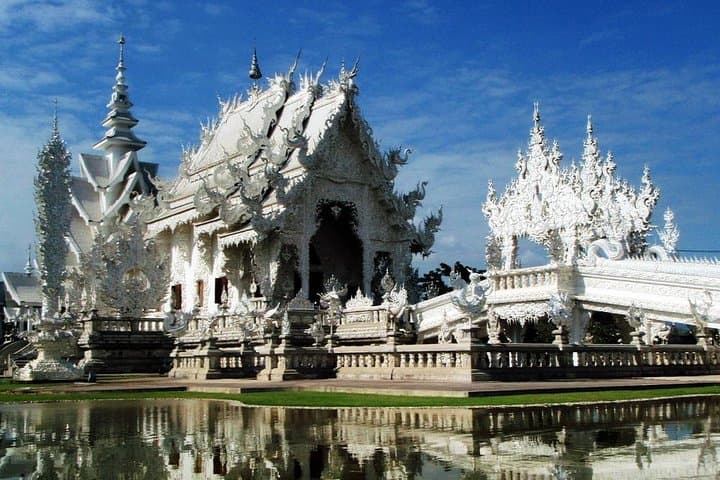
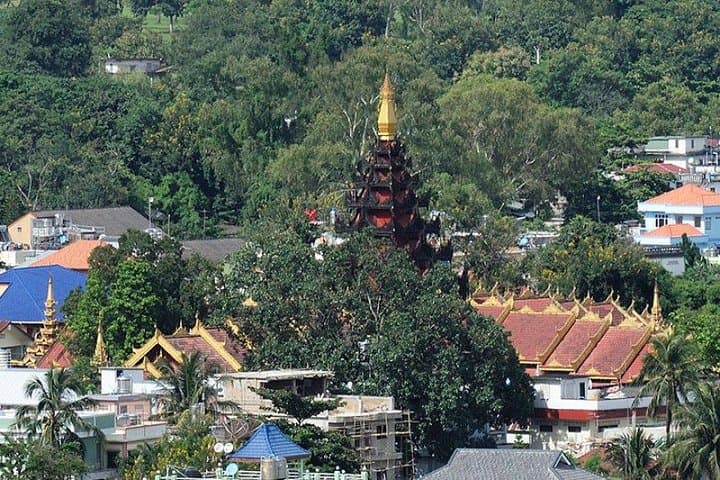
By midmorning you’re at Wat Rong Khun, the White Temple—an unconventional, contemporary Buddhist shrine built by artist Chalermchai Kositpipat—its mirrored mosaics throwing back the sun. A short drive leads to the Blue Temple’s carved façades and then the stark, timbered pavilions of Baan Dam (the Black House), where northern Thai materials and modern art share a jagged conversation.
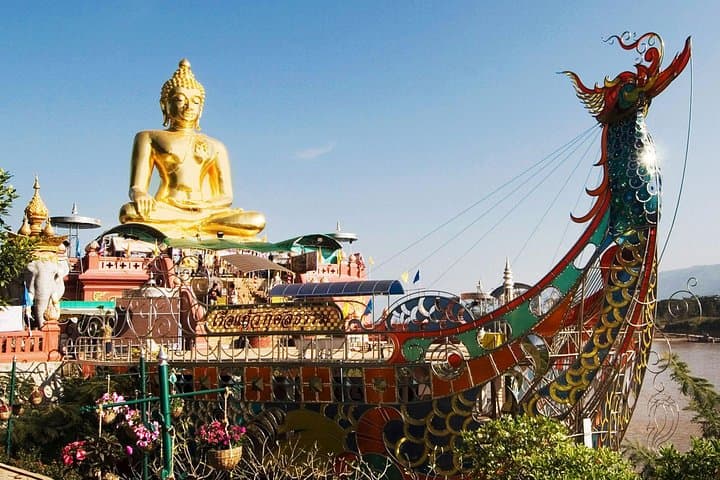
History and geography meet at the Golden Triangle: where Thailand, Laos and Myanmar nudge each other across the Mekong. That river has carried trade, culture and, in darker chapters, opium; today it ferries small passenger boats and local traders. You’ll cross a brief stretch of water on a sit-boat toward the Lao bank—a 20-minute taste of the Mekong’s scale.
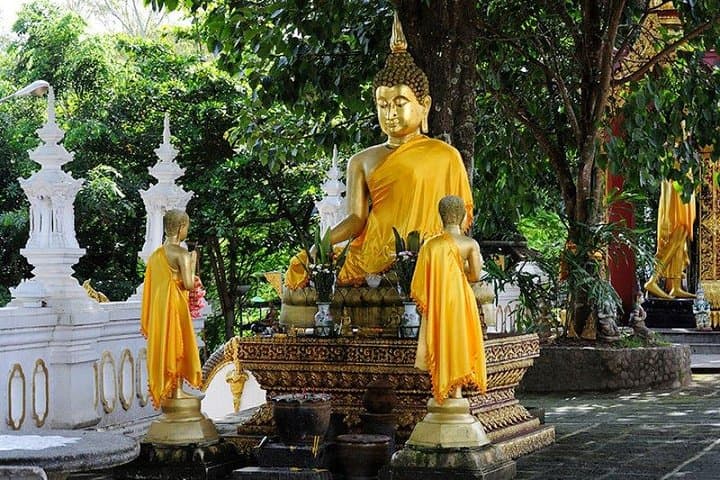
The Long Neck Karen village offers a glimpse into a contested cultural tradition—brass neck rings and textile crafts—so travel with curiosity and respect. Pause at Mae Khachan Hot Spring to soak your feet and boil an egg in mineral heat; it’s an earthy counterpoint to the modern temples.
Practical guidance: this is a long 12–14 hour day—bring sun protection, cash for small purchases, comfortable shoes for temple steps, and a reusable water bottle. Cameras are welcome but ask before photographing people in villages. Expect plenty of short walks, photo stops, and a steady pace set by a local guide.
moderate.
12–14 hours.
Suitable for most travelers in average fitness—long day with several short walks, steps, and periods of standing.
Pickup times vary by hotel in Chiang Mai; expect an early morning departure and a full return late evening—confirm your hotel pickup point with the operator.
Visits can support local incomes but approach respectfully: follow guide instructions, ask before photographing, and avoid buying items you suspect are exploitative; favor fair-trade goods.
This tour includes lunch and admissions listed in the itinerary (White Temple, boat fees to the Laos border, etc.), but bring cash for extra snacks or souvenirs.
The sit-boat is a standard local craft used on the Mekong; the Laos-border segment is about 20 minutes—operators provide life jackets and basic safety guidance.
The Golden Triangle was historically central to opium production and trade; recent decades have focused on cross-border commerce and tourism. Wat Rong Khun is a contemporary temple completed by local artist Chalermchai Kositpipat.
Support responsible tourism in hill-tribe villages by choosing ethical souvenirs and following guide rules; the Mekong ecosystem is sensitive—avoid single-use plastics and dispose of waste properly.
Sightseeing Chiang Mai operates guided outdoor trips and adventures with an emphasis on safety, stewardship, and memorable experiences.
You drop out of the cool Chiang Mai dawn into an air-conditioned van and the countryside opens—rice fields flatten, limestone ridges puncture the horizon, and the Mekong waits like a broad, slow ribbon downstream.
You drop out of the cool Chiang Mai dawn into an air-conditioned van and the countryside opens—rice fields flatten, limestone ridges puncture the horizon, and the Mekong waits like a broad, slow ribbon downstream.
By midmorning you’re at Wat Rong Khun, the White Temple—an unconventional, contemporary Buddhist shrine built by artist Chalermchai Kositpipat—its mirrored mosaics throwing back the sun. A short drive leads to the Blue Temple’s carved façades and then the stark, timbered pavilions of Baan Dam (the Black House), where northern Thai materials and modern art share a jagged conversation.
History and geography meet at the Golden Triangle: where Thailand, Laos and Myanmar nudge each other across the Mekong. That river has carried trade, culture and, in darker chapters, opium; today it ferries small passenger boats and local traders. You’ll cross a brief stretch of water on a sit-boat toward the Lao bank—a 20-minute taste of the Mekong’s scale.
The Long Neck Karen village offers a glimpse into a contested cultural tradition—brass neck rings and textile crafts—so travel with curiosity and respect. Pause at Mae Khachan Hot Spring to soak your feet and boil an egg in mineral heat; it’s an earthy counterpoint to the modern temples.
Practical guidance: this is a long 12–14 hour day—bring sun protection, cash for small purchases, comfortable shoes for temple steps, and a reusable water bottle. Cameras are welcome but ask before photographing people in villages. Expect plenty of short walks, photo stops, and a steady pace set by a local guide.