THE ADVENTURE COLLECTIVE® · Independent discovery and booking for outdoor travel

Spend a long day exploring Chiang Rai’s signature sites: the White Temple, Blue Temple, Black House, Long Neck Village, tea plantations and the Golden Triangle. This guided tour blends contemporary art, hill-country vistas and regional history with transfers and lunch included.
Spend a long day exploring Chiang Rai’s signature sites: the White Temple, Blue Temple, Black House, Long Neck Village, tea plantations and the Golden Triangle. This guided tour blends contemporary art, hill-country vistas and regional history with transfers and lunch included.
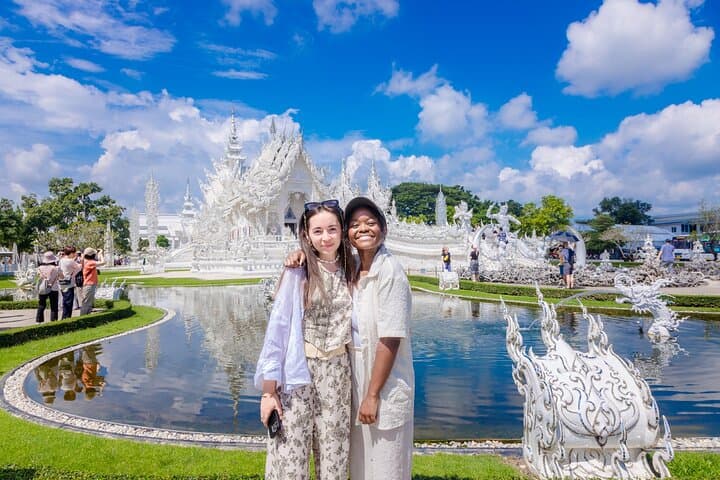
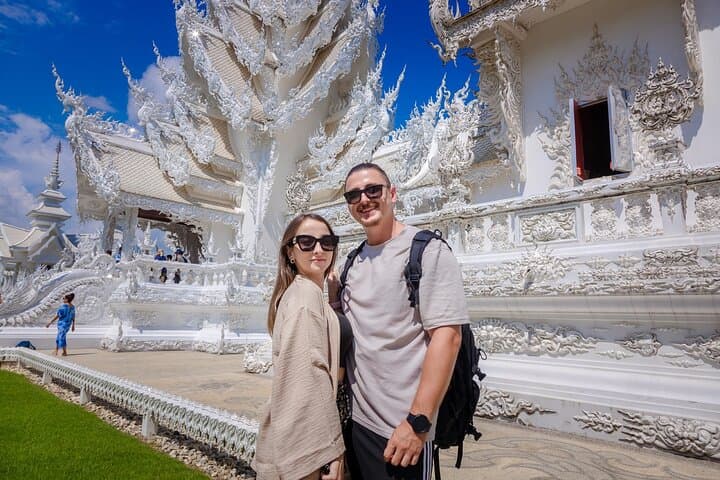
A road hums awake under a pale northern Thai sky as the day’s tour assembles in Chiang Rai. Windows frame karst hills and rubber trees sliding past; the White Temple appears like a deliberate frost on the landscape, its mirrored filigree catching sunlight and asking for a slower breath.
Verified experiences and guided adventures in the surrounding area.
Operated by Oh-Hoo · Chiang Rai, Chiang Rai Province
A road hums awake under a pale northern Thai sky as the day’s tour assembles in Chiang Rai. Windows frame karst hills and rubber trees sliding past; the White Temple appears like a deliberate frost on the landscape, its mirrored filigree catching sunlight and asking for a slower breath.
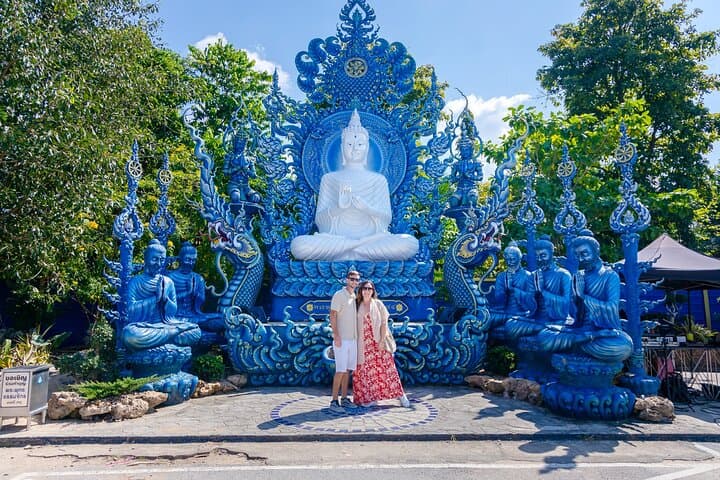
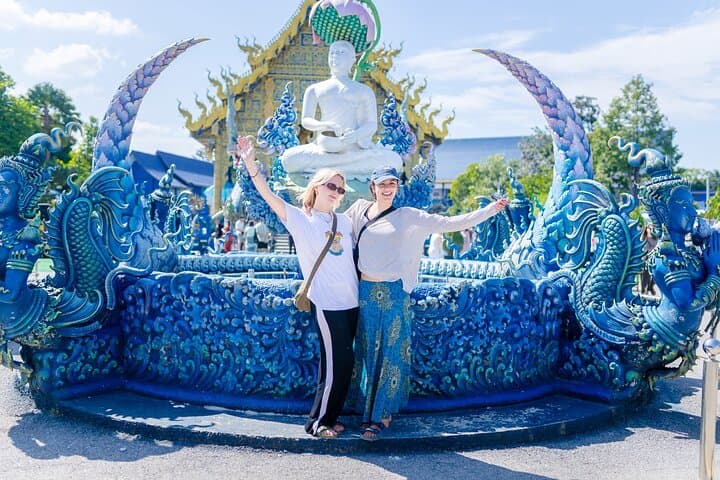
The route stitches together modern art, hill-country agriculture and the contested history of the Mekong. Wat Rong Khun (the White Temple) is recent—an eccentric 20th/21st-century project that reinterprets Buddhist iconography—while the nearby Blue Temple (Wat Rong Suea Ten) and the Black House (Baan Dam) show contemporary Thai artists bending traditional forms into new, sometimes unsettling statements.
Geology here is gentle mountains and river plains; tea gardens occupy volcanic-soiled slopes around the Choui Fong plantations. At the Golden Triangle, three borders meet along the Mekong—an area long shaped by cross-border trade and, historically, opium economies now interpreted at the House of Opium.
Practical guidance: the full-day itinerary runs roughly 10 hours with hotel pickup in Chiang Rai; it’s largely low-effort walking with short stair sections in temples. Dress modestly for temple visits—shoulders and knees covered—and bring cash for optional entry fees and souvenirs. Expect brief stops for photos and a set local lunch; allow time for tea tastings at higher elevation where temperatures can be noticeably cooler. Be mindful and ask before photographing people in villages. Hydration, sun protection and comfortable walking shoes make the day smooth; pack a light rain layer in the wet season.
easy.
10 hours.
Suitable for most fitness levels; involves short walks and stairs at temples and viewpoints
Most attraction fees are optional and paid at the ticket booth; the tour includes transfers and lunch but not all admission costs.
Yes—round-trip transfers from downtown Chiang Rai hotels are typically included; confirm your pickup point when booking.
Photography is allowed at many sites but follow staff instructions; always ask before photographing people in villages and respect no-photo signs.
The tour is family-friendly with easy walking, but it’s not recommended for guests with serious back, heart or pregnancy-related restrictions; notify the operator of special needs in advance.
The Golden Triangle region was historically a center of opium cultivation and trade; local museums reinterpret that past while highlighting agricultural shifts to tea and other crops.
Tour operators encourage responsible visits—support local producers at tea plantations and avoid buying wildlife-derived souvenirs to reduce pressure on local ecosystems.
Oh-Hoo operates guided outdoor trips and adventures with an emphasis on safety, stewardship, and memorable experiences.
A road hums awake under a pale northern Thai sky as the day’s tour assembles in Chiang Rai. Windows frame karst hills and rubber trees sliding past; the White Temple appears like a deliberate frost on the landscape, its mirrored filigree catching sunlight and asking for a slower breath.
A road hums awake under a pale northern Thai sky as the day’s tour assembles in Chiang Rai. Windows frame karst hills and rubber trees sliding past; the White Temple appears like a deliberate frost on the landscape, its mirrored filigree catching sunlight and asking for a slower breath.
The route stitches together modern art, hill-country agriculture and the contested history of the Mekong. Wat Rong Khun (the White Temple) is recent—an eccentric 20th/21st-century project that reinterprets Buddhist iconography—while the nearby Blue Temple (Wat Rong Suea Ten) and the Black House (Baan Dam) show contemporary Thai artists bending traditional forms into new, sometimes unsettling statements.
Geology here is gentle mountains and river plains; tea gardens occupy volcanic-soiled slopes around the Choui Fong plantations. At the Golden Triangle, three borders meet along the Mekong—an area long shaped by cross-border trade and, historically, opium economies now interpreted at the House of Opium.
Practical guidance: the full-day itinerary runs roughly 10 hours with hotel pickup in Chiang Rai; it’s largely low-effort walking with short stair sections in temples. Dress modestly for temple visits—shoulders and knees covered—and bring cash for optional entry fees and souvenirs. Expect brief stops for photos and a set local lunch; allow time for tea tastings at higher elevation where temperatures can be noticeably cooler. Be mindful and ask before photographing people in villages. Hydration, sun protection and comfortable walking shoes make the day smooth; pack a light rain layer in the wet season.