THE ADVENTURE COLLECTIVE® · Independent discovery and booking for outdoor travel

Cycle from Chiang Mai across the Ping River into the excavated remains of Wiang Kum Kam, a 13th‑century settlement. This four‑hour guided ride combines flat, easy cycling with temple ruins, riverside scenery and a local lunch.
Cycle from Chiang Mai across the Ping River into the excavated remains of Wiang Kum Kam, a 13th‑century settlement. This four‑hour guided ride combines flat, easy cycling with temple ruins, riverside scenery and a local lunch.
The morning opens with a hotel pickup at 9:30 and a short transfer across the River Ping; you mount a well-maintained mountain bike and follow a ribbon of road that peels away from Chiang Mai’s urban grid into irrigated fields and riverine scrub.
Verified experiences and guided adventures in the surrounding area.
Operated by Chiang Mai Mountain Biking & Kayaks · Chiang Mai, Chiang Mai
The morning opens with a hotel pickup at 9:30 and a short transfer across the River Ping; you mount a well-maintained mountain bike and follow a ribbon of road that peels away from Chiang Mai’s urban grid into irrigated fields and riverine scrub.
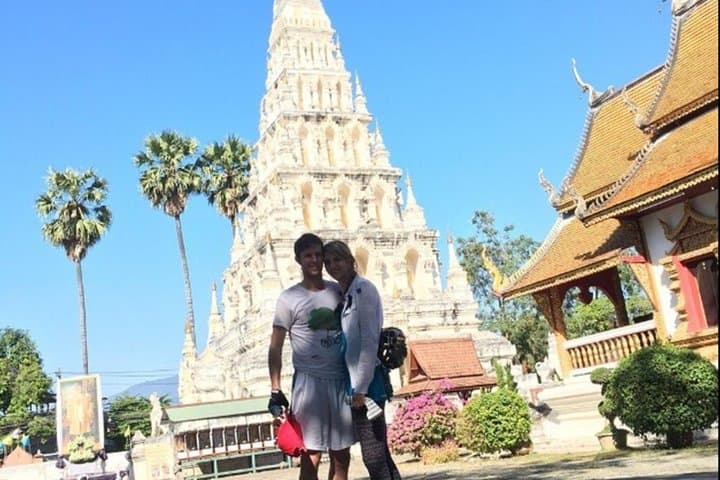
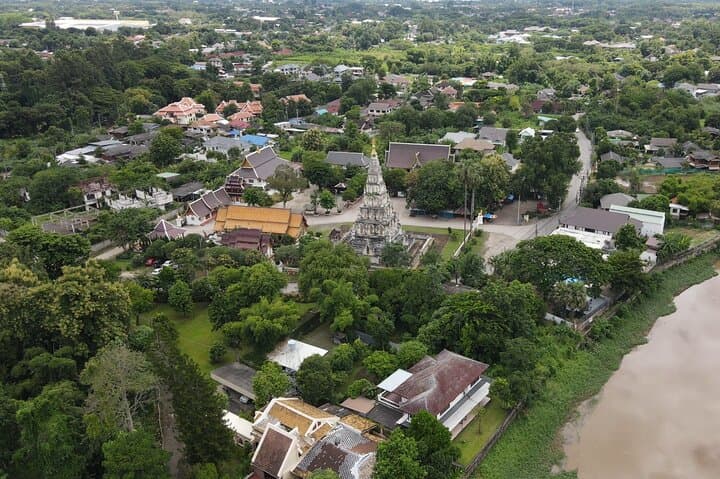
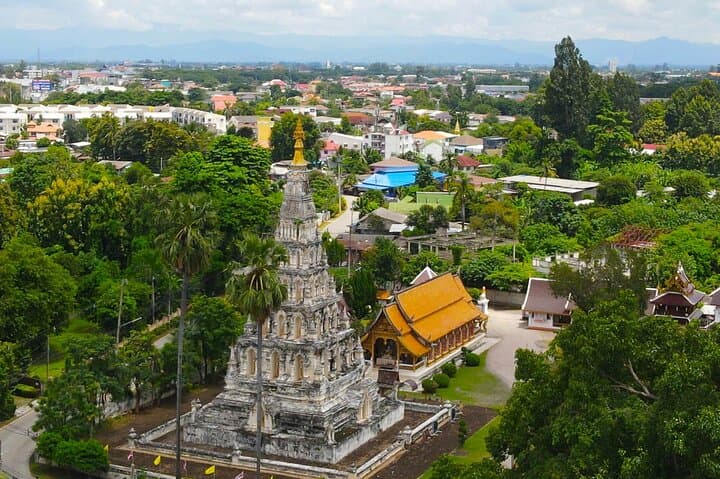
Within twenty minutes the landscape changes: temple spires and low brick mounds of Wiang Kum Kam begin to appear like punctuation marks in a damp plain. Wiang Kum Kam was founded by King Mengrai in the 13th century and repeatedly altered by the Ping River’s moods—buried, rediscovered and now partially excavated. The route threads between rice paddies and fruit plantations, where seasonal mangoes and longan lean toward the trail as if daring you to taste.
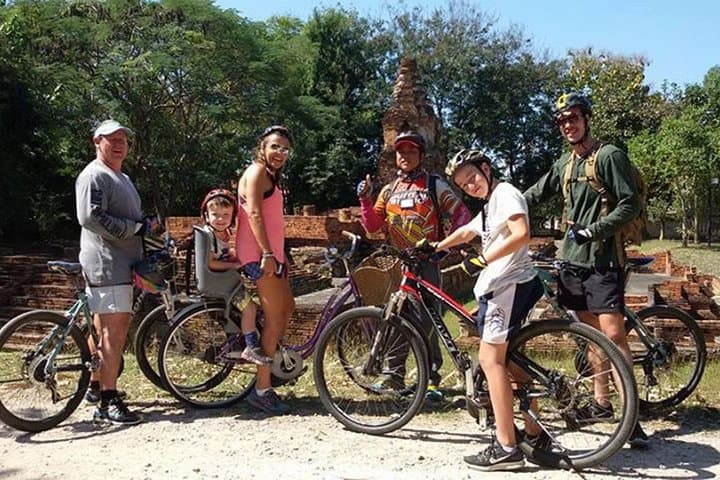
Geology here is straightforward—an alluvial floodplain with flat terrain and soft river silts—so the cycling is relaxed, mostly flat with short stretches of packed dirt and quiet rural pavement. Guides from Chiang Mai’s mountain-biking team narrate the ruins, local farming practices and temple history as you ride; lunch is included with vegetarian and vegan options.
Practicalities: the outing lasts about four hours total, returning around 3 PM. Helmets, gloves and a hydration backpack are provided; expect minimal elevation gain and a leisure pace suitable for most riders. Bring sun protection, a spare layer for early morning breeze, and your passport details for check-in. This ride fits travelers who want culture on two wheels—easy terrain, focused history, and plenty of roadside character.
easy.
4 hours.
Suitable for riders with basic fitness who can pedal 10–20 km at an easy pace; no sustained climbs.
The tour is designed to be easy—short distances on mostly flat terrain; basic cycling ability and comfort on a bike are sufficient.
Yes—well‑maintained mountain bikes, helmets and gloves are provided, plus a hydration backpack during the ride.
Guides typically speak English; check at booking if you need another language to be available.
The operator’s cancellation policy allows a full refund if you cancel more than 24 hours out; rides may continue in light rain but heavy storms can cause changes—confirm on the morning of your tour.
Wiang Kum Kam was a fortified settlement founded by King Mengrai in the 13th century that was repeatedly affected by Ping River flooding; archaeological work in the 20th century exposed temple foundations and chedis.
The site sits on a delicate floodplain—stay on marked paths, avoid climbing fragile masonry, and support local guides who contribute to ongoing site preservation.
Chiang Mai Mountain Biking & Kayaks operates guided outdoor trips and adventures with an emphasis on safety, stewardship, and memorable experiences.
The morning opens with a hotel pickup at 9:30 and a short transfer across the River Ping; you mount a well-maintained mountain bike and follow a ribbon of road that peels away from Chiang Mai’s urban grid into irrigated fields and riverine scrub.
The morning opens with a hotel pickup at 9:30 and a short transfer across the River Ping; you mount a well-maintained mountain bike and follow a ribbon of road that peels away from Chiang Mai’s urban grid into irrigated fields and riverine scrub.
Within twenty minutes the landscape changes: temple spires and low brick mounds of Wiang Kum Kam begin to appear like punctuation marks in a damp plain. Wiang Kum Kam was founded by King Mengrai in the 13th century and repeatedly altered by the Ping River’s moods—buried, rediscovered and now partially excavated. The route threads between rice paddies and fruit plantations, where seasonal mangoes and longan lean toward the trail as if daring you to taste.
Geology here is straightforward—an alluvial floodplain with flat terrain and soft river silts—so the cycling is relaxed, mostly flat with short stretches of packed dirt and quiet rural pavement. Guides from Chiang Mai’s mountain-biking team narrate the ruins, local farming practices and temple history as you ride; lunch is included with vegetarian and vegan options.
Practicalities: the outing lasts about four hours total, returning around 3 PM. Helmets, gloves and a hydration backpack are provided; expect minimal elevation gain and a leisure pace suitable for most riders. Bring sun protection, a spare layer for early morning breeze, and your passport details for check-in. This ride fits travelers who want culture on two wheels—easy terrain, focused history, and plenty of roadside character.