THE ADVENTURE COLLECTIVE® · Independent discovery and booking for outdoor travel

An easy-paced evening walk through Chiang Mai’s old city: carved temples, lively wholesale and night markets, and a hands-on tasting of northern Thai dishes. Ideal for travelers who want culture, food, and local stories without the rush.
An easy-paced evening walk through Chiang Mai’s old city: carved temples, lively wholesale and night markets, and a hands-on tasting of northern Thai dishes. Ideal for travelers who want culture, food, and local stories without the rush.
The sun lowers behind low mountains and Tha Phae Gate takes on a warm, browned edge; vendors light lamps, and the Ping River dares you to follow its ribbon of reflections. On this twilight walk you move between carved teak shrines, crowded food stalls and broad riverwalks—each step shifts the story from sacred to everyday.
Verified experiences and guided adventures in the surrounding area.
Operated by A ROI DEE Cooking school Chiangmai · Chiang Mai, Chiang Mai Province
The sun lowers behind low mountains and Tha Phae Gate takes on a warm, browned edge; vendors light lamps, and the Ping River dares you to follow its ribbon of reflections. On this twilight walk you move between carved teak shrines, crowded food stalls and broad riverwalks—each step shifts the story from sacred to everyday.
Chiang Mai sits in a river basin once controlled by the Lanna Kingdom; the old walls and gates you pass date to that era and mark a city shaped by trade, hill-tribe routes and rice plains. Wat Lok Molee’s wooden shrine and the curious King Naresuan monument —known for its rooster sculptures—are local chapters in that history. The nearby wholesale market and Warorot Night Market show a different kind of geology: social geology—layers of community commerce, seasonal produce and recipes passed between generations.
Practically: expect 4–5 hours of mostly flat walking on pavement, market alleys and river paths. The tour runs small (up to 12), moves at an easy pace and includes a local dinner (khao soi, papaya salad, mango sticky rice) and a choice of local beer for those over 20; under-20s receive soft drinks. Bring small bills for stalls, a light rain layer in monsoon months, and comfortable walking shoes for sticky floors and uneven curbs. The guide handles logistics and offers cultural context—ask about festival schedules at Tha Phae Gate for livelier evenings. Note: not recommended for pregnant travelers or those with serious back or heart conditions; cancel policies require 24-hour notice.
easy.
4–5 hours.
Light urban walking; suitable for most fitness levels but requires standing and short stair/climb access
Yes—the tour includes a northern-Thai dinner (items like khao soi, papaya salad and mango sticky rice) and soft drinks; guests over 20 may choose a local beer.
Expect 4–5 hours of mostly flat walking on pavements, market alleys and riverfront; the pace is gentle with frequent stops.
Yes—infants and small children can use strollers; note the environment is busy and some stalls may be crowded at peak times.
The operator may cancel for heavy rain; check the 24-hour cancellation policy and reschedule if necessary.
Chiang Mai was the capital of the Lanna Kingdom; Tha Phae Gate is part of the old east wall and remains a cultural focal point for festivals and gatherings.
Markets generate significant single-use waste—support vendors using reusable containers and bring a reusable bag; respect local rules about river cleanliness and avoid feeding wildlife.
A ROI DEE Cooking school Chiangmai operates guided outdoor trips and adventures with an emphasis on safety, stewardship, and memorable experiences.


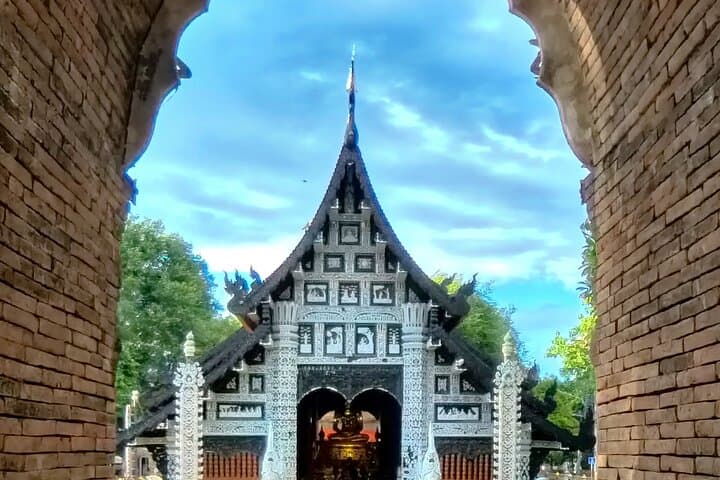
The sun lowers behind low mountains and Tha Phae Gate takes on a warm, browned edge; vendors light lamps, and the Ping River dares you to follow its ribbon of reflections. On this twilight walk you move between carved teak shrines, crowded food stalls and broad riverwalks—each step shifts the story from sacred to everyday.
The sun lowers behind low mountains and Tha Phae Gate takes on a warm, browned edge; vendors light lamps, and the Ping River dares you to follow its ribbon of reflections. On this twilight walk you move between carved teak shrines, crowded food stalls and broad riverwalks—each step shifts the story from sacred to everyday.
Chiang Mai sits in a river basin once controlled by the Lanna Kingdom; the old walls and gates you pass date to that era and mark a city shaped by trade, hill-tribe routes and rice plains. Wat Lok Molee’s wooden shrine and the curious King Naresuan monument —known for its rooster sculptures—are local chapters in that history. The nearby wholesale market and Warorot Night Market show a different kind of geology: social geology—layers of community commerce, seasonal produce and recipes passed between generations.
Practically: expect 4–5 hours of mostly flat walking on pavement, market alleys and river paths. The tour runs small (up to 12), moves at an easy pace and includes a local dinner (khao soi, papaya salad, mango sticky rice) and a choice of local beer for those over 20; under-20s receive soft drinks. Bring small bills for stalls, a light rain layer in monsoon months, and comfortable walking shoes for sticky floors and uneven curbs. The guide handles logistics and offers cultural context—ask about festival schedules at Tha Phae Gate for livelier evenings. Note: not recommended for pregnant travelers or those with serious back or heart conditions; cancel policies require 24-hour notice.