THE ADVENTURE COLLECTIVE® · Independent discovery and booking for outdoor travel

Ride an electric tram through Chiang Mai’s walled city at night, stopping at historic temples and bustling street-food markets. This two-hour guided tour mixes Lanna history with local flavors in a compact, low-effort evening outing.
Ride an electric tram through Chiang Mai’s walled city at night, stopping at historic temples and bustling street-food markets. This two-hour guided tour mixes Lanna history with local flavors in a compact, low-effort evening outing.
Stepping onto the quiet EV tram as dusk settles, the city sheds its daytime rush and reveals lantern-lit lanes and temple silhouettes. The tram glides past ancient wats and crumbling sections of the old city wall while a local guide threads history between stops—an easy, sensory introduction to Chiang Mai after dark.
Verified experiences and guided adventures in the surrounding area.
Operated by Touring Center · Chiang Mai, Chiang Mai Province
Stepping onto the quiet EV tram as dusk settles, the city sheds its daytime rush and reveals lantern-lit lanes and temple silhouettes. The tram glides past ancient wats and crumbling sections of the old city wall while a local guide threads history between stops—an easy, sensory introduction to Chiang Mai after dark.
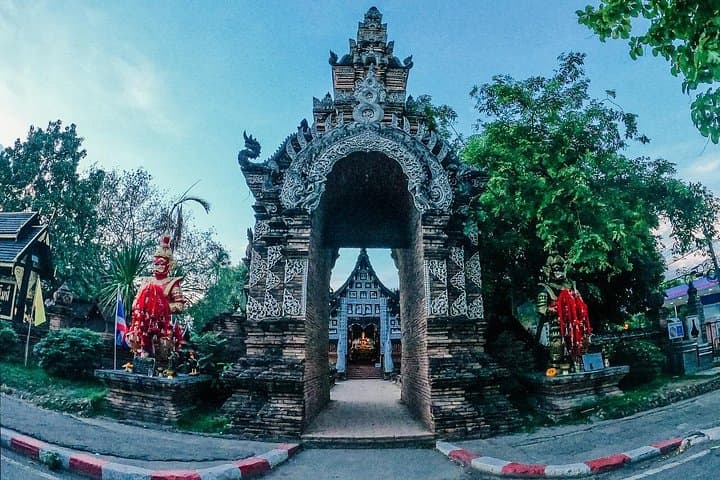
The route traces Lanna history: the Inthakin city pillar site (established 1296), Wat Chiang Man’s elephant-supported chedi, and 14th-century Wat Lok Molee with its wooden assembly halls. Geologically, the city sits on a flat plain cradled by forested hills; at night the air cools and the Ping River’s presence is felt more in sound than sight.
Culturally the tour centers on civic rhythms—market stalls, evening porches, and communal chewing of betel in older neighborhoods. The food stop at Chiang Mai Gate Night Market offers a cross-section of northern Thai flavors: sai ua, khao soi, sticky rice and grilled skewers sold from carts under tarps and strings of bulbs.
Practical guidance: dress smart-casual with closed shoes for short walks at temples; bring a light layer for cooler evenings and a small amount of cash for market purchases. The tour is low-effort—most moving is on the tram with brief 5–25 minute walking stops—making it suitable for most travelers who want a compact cultural primer. Book early for private seating and aim for the first departure to avoid the later crowds at the night market.
easy.
2 hours.
Minimal fitness required; able to stand and walk short distances
The tour lasts about two hours and uses an electric tram for most travel with short walking stops at temples and markets.
Admissions mentioned in the itinerary are included where specified; expect short visits to Wat Lok Molee and Wat Chedi Luang.
Yes—infants may sit on laps; a child rate applies when sharing with two paying adults and the tour is low-impact.
Smart casual with covered shoulders for temple visits and comfortable shoes for walking through markets.
Chiang Mai was founded in 1296 by King Mangrai; the Inthakin pillar within the old city marks its traditional spiritual center.
Visitors are encouraged to minimize single-use plastics at night markets and respect temple grounds; support vendors who use reusable or compostable packaging.
Touring Center operates guided outdoor trips and adventures with an emphasis on safety, stewardship, and memorable experiences.
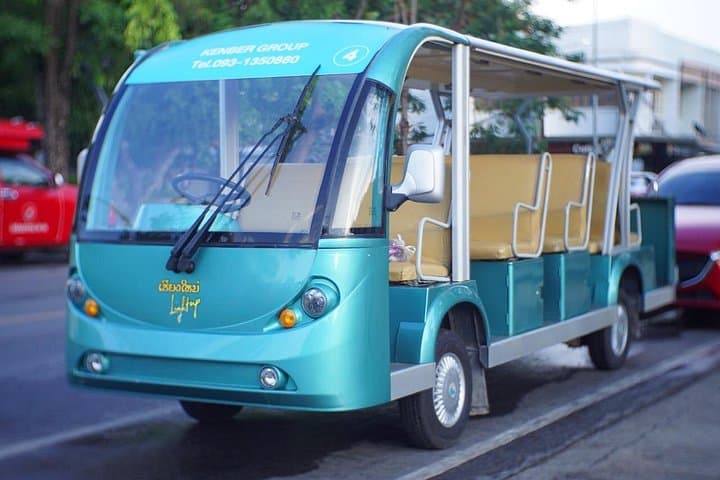
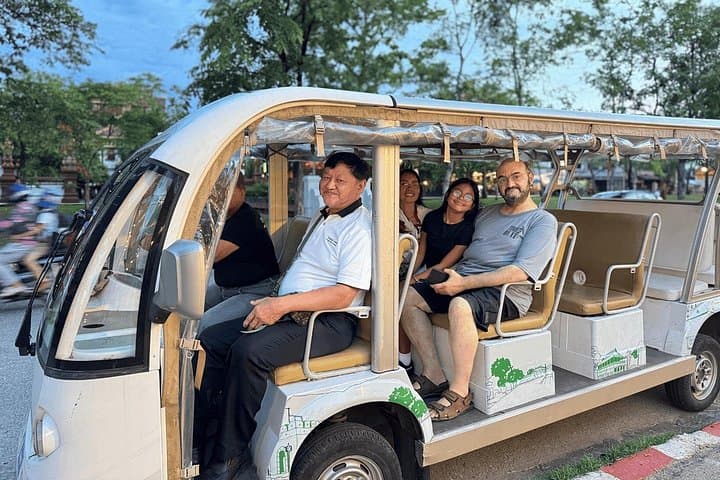
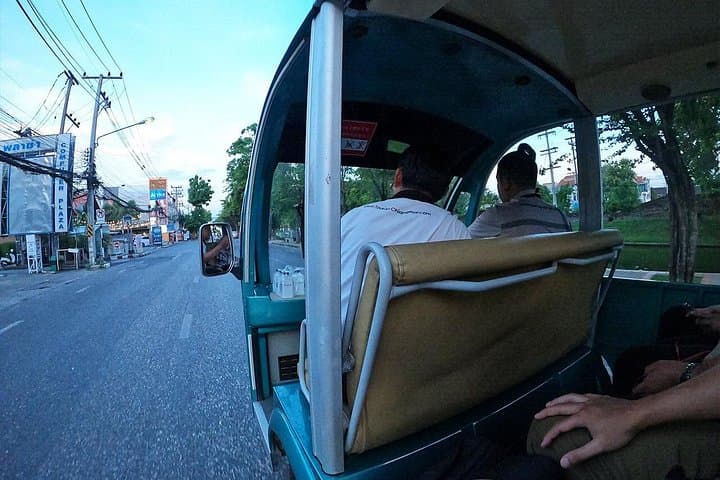
Stepping onto the quiet EV tram as dusk settles, the city sheds its daytime rush and reveals lantern-lit lanes and temple silhouettes. The tram glides past ancient wats and crumbling sections of the old city wall while a local guide threads history between stops—an easy, sensory introduction to Chiang Mai after dark.
Stepping onto the quiet EV tram as dusk settles, the city sheds its daytime rush and reveals lantern-lit lanes and temple silhouettes. The tram glides past ancient wats and crumbling sections of the old city wall while a local guide threads history between stops—an easy, sensory introduction to Chiang Mai after dark.
The route traces Lanna history: the Inthakin city pillar site (established 1296), Wat Chiang Man’s elephant-supported chedi, and 14th-century Wat Lok Molee with its wooden assembly halls. Geologically, the city sits on a flat plain cradled by forested hills; at night the air cools and the Ping River’s presence is felt more in sound than sight.
Culturally the tour centers on civic rhythms—market stalls, evening porches, and communal chewing of betel in older neighborhoods. The food stop at Chiang Mai Gate Night Market offers a cross-section of northern Thai flavors: sai ua, khao soi, sticky rice and grilled skewers sold from carts under tarps and strings of bulbs.
Practical guidance: dress smart-casual with closed shoes for short walks at temples; bring a light layer for cooler evenings and a small amount of cash for market purchases. The tour is low-effort—most moving is on the tram with brief 5–25 minute walking stops—making it suitable for most travelers who want a compact cultural primer. Book early for private seating and aim for the first departure to avoid the later crowds at the night market.