THE ADVENTURE COLLECTIVE® · Independent discovery and booking for outdoor travel

Trade Chiang Mai streets for bamboo groves, waterfalls, and an overnight stay in a Karen hill-tribe village. This practical two-day trek pairs moderate hiking with cultural exchange and a calm bamboo-raft finish.
Trade Chiang Mai streets for bamboo groves, waterfalls, and an overnight stay in a Karen hill-tribe village. This practical two-day trek pairs moderate hiking with cultural exchange and a calm bamboo-raft finish.
Morning light fingers through tall bamboo as a songthaew rumbles away from Chiang Mai and into the hills. Within an hour the city’s heat softens to forest shade; your group moves from rice paddies into teak and evergreen stands, the trail rising and falling like a quiet conversation. Waterfalls appear without fanfare—rock shelves spilling cool pools that dare you to jump in and scrub the road dust from your skin.
Verified experiences and guided adventures in the surrounding area.
Operated by Chiang Mai Footsteps Travel · Chiang Mai, Chiang Mai
Morning light fingers through tall bamboo as a songthaew rumbles away from Chiang Mai and into the hills. Within an hour the city’s heat softens to forest shade; your group moves from rice paddies into teak and evergreen stands, the trail rising and falling like a quiet conversation. Waterfalls appear without fanfare—rock shelves spilling cool pools that dare you to jump in and scrub the road dust from your skin.
This two-day route threads Lanna-era landscapes and living hill-tribe culture. You’ll pass small Shan and Karen communities where stilt houses and woven textiles speak to generations of upland agriculture and trade. Geologically the area is older highland—rounded ridges, stream-carved valleys, and soils that favor bamboo and mixed deciduous forest rather than alpine peaks.
By evening the village keeps no pretense of tourist comforts: basic sleeping platforms, shared meals, and an introduction to Karen daily life. Day two opens with another riverside trek, a longer jungle section toward a Shan settlement, and a leisurely bamboo raft float down a low-gradient river—accessible but alive with current and eddies that push you forward.
Practical note: expect roughly 3–4 hours of hiking each day over uneven trails, short steep sections, and stream crossings; bring sturdy footwear, insect protection, and a refillable water system. Respect village routines, pack out trash, and time hikes for the cooler morning hours. The trip balances cultural exchange with straightforward backcountry travel—immersive, physical, and refreshingly uncomplicated.
moderate.
2 days (approx. 6–8 hours hiking total).
Participants should have moderate fitness: able to walk 3–5 hours on uneven ground with short uphill sections and occasional river crossings.
Moderate fitness is required—expect multiple 1–2 hour hiking segments each day with some uphill and uneven terrain; no technical climbing skills are needed.
Accommodation is basic and communal in a Karen hill-tribe village: simple sleeping platforms or mats, shared facilities, and local-style meals provided.
Yes—meals listed (lunch, dinner, breakfast, lunch) and local transport (songthaew transfers and return drive to Chiang Mai) are included in the itinerary.
Yes—rafts are stable and the float is guided; guides will brief safety procedures and assist with boarding and disembarking.
The area sits within northern Thailand’s Lanna cultural sphere; Karen and Shan communities have lived here for generations, maintaining distinct weaving and agricultural traditions.
Tourism impacts small upland communities and river habitats—practice leave-no-trace, avoid single-use plastics, and support locally made goods to keep benefits in the villages.
Chiang Mai Footsteps Travel operates guided outdoor trips and adventures with an emphasis on safety, stewardship, and memorable experiences.
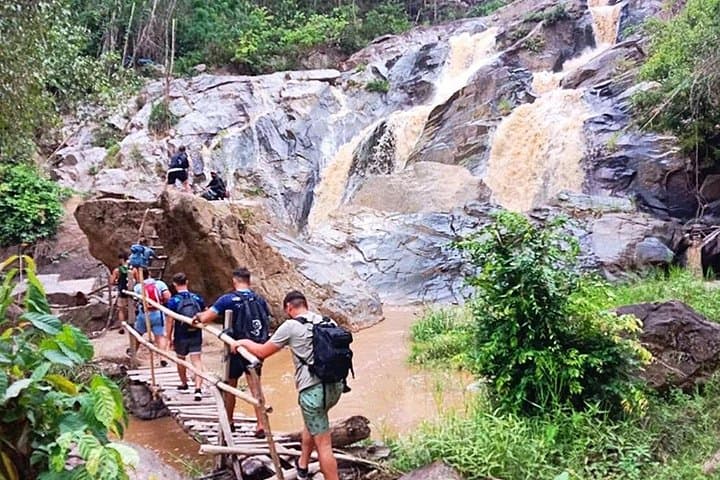
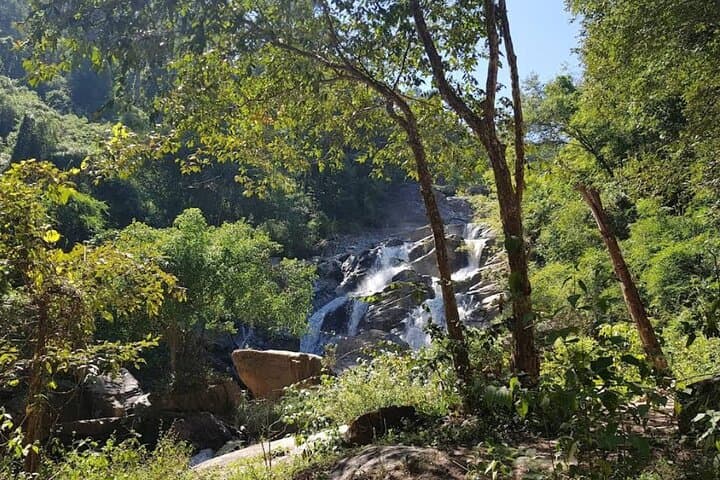
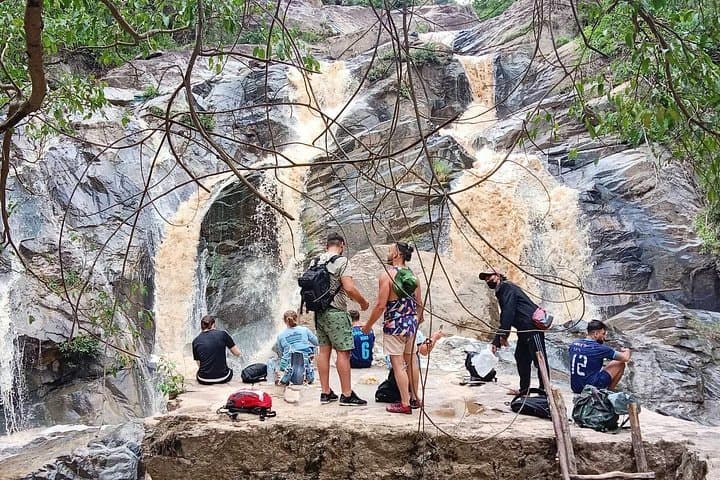
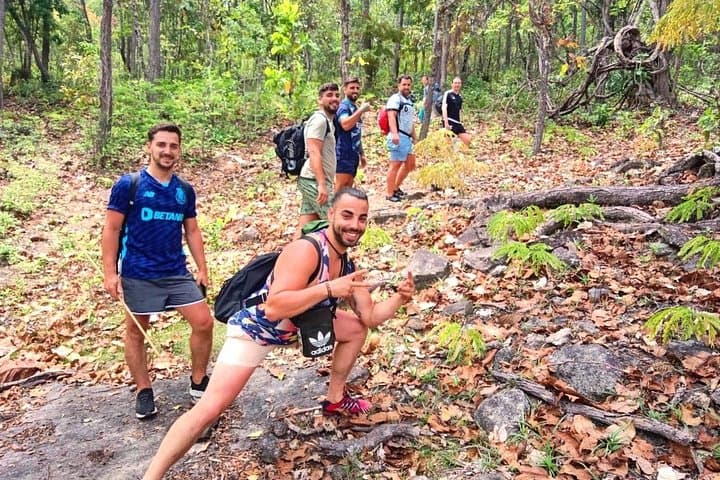
Morning light fingers through tall bamboo as a songthaew rumbles away from Chiang Mai and into the hills. Within an hour the city’s heat softens to forest shade; your group moves from rice paddies into teak and evergreen stands, the trail rising and falling like a quiet conversation. Waterfalls appear without fanfare—rock shelves spilling cool pools that dare you to jump in and scrub the road dust from your skin.
Morning light fingers through tall bamboo as a songthaew rumbles away from Chiang Mai and into the hills. Within an hour the city’s heat softens to forest shade; your group moves from rice paddies into teak and evergreen stands, the trail rising and falling like a quiet conversation. Waterfalls appear without fanfare—rock shelves spilling cool pools that dare you to jump in and scrub the road dust from your skin.
This two-day route threads Lanna-era landscapes and living hill-tribe culture. You’ll pass small Shan and Karen communities where stilt houses and woven textiles speak to generations of upland agriculture and trade. Geologically the area is older highland—rounded ridges, stream-carved valleys, and soils that favor bamboo and mixed deciduous forest rather than alpine peaks.
By evening the village keeps no pretense of tourist comforts: basic sleeping platforms, shared meals, and an introduction to Karen daily life. Day two opens with another riverside trek, a longer jungle section toward a Shan settlement, and a leisurely bamboo raft float down a low-gradient river—accessible but alive with current and eddies that push you forward.
Practical note: expect roughly 3–4 hours of hiking each day over uneven trails, short steep sections, and stream crossings; bring sturdy footwear, insect protection, and a refillable water system. Respect village routines, pack out trash, and time hikes for the cooler morning hours. The trip balances cultural exchange with straightforward backcountry travel—immersive, physical, and refreshingly uncomplicated.